Editorial – A shift in a key aging sciences paradigm

By Vince Giuliano Mainline scientific theories may have long lifespans but are inevitably overturned as accumulating evidence renders them obsolete and brings alternative theories to the fore.  We saw this in physics over 100 years ago when relativity theory and … Continue reading

More Galleries | 18 Comments

Aging and the immune system – focus on naïve T-cells

By Vince Giuliano The human immune system provides our defenses against pathogens. This blog entry focuses on research on T-cells. a family of cells in the immune system.  The research is relevant to aging because it challenges the traditional view … Continue reading

More Galleries | 7 Comments

End of the free radical theory of aging and negative consequences of indiscriminante antioxidant supplementation

By Victor Most popular discussions of antioxidants are based on an outdated view of free radicals as evil, toxic compounds, ones which cause chain reactions of destructive damage culminating in degenerative diseases and aging.  Research in recent years has revealed … Continue reading

More Galleries | 21 Comments

Medical ghostwriting and dangerous misinformation

By Victor The August 2011 PLoS Medicine article, Legal Remedies for Medical Ghostwriting discusses legal approaches to combat the prevalent practice of published “academic” studies, which are actually ghostwritten at the behest of pharmaceutical companies.  That is right, in many … Continue reading

More Galleries | 1 Comment

Focus on bitter melon

This gallery contains 3 photos.

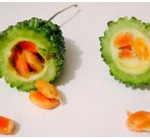
Bitter melon has antiviral, antimalerial, cardioprotective, and neuroprotective properties.  Bitter melon is potentially an important dietary tool for combating insulin resistance, diabetes and obesity.  This blog entry reviews the relevant research. Bitter melon (BM) is one of those strange-looking fruits … Continue reading

More Galleries | 5 Comments

Napping and Human Sleep

By Victor “Blue Zones” This is the name given by epidemiologists to places where people tend to have extraordinary lifespans.  Sardinia (an Italian island), Ikaria (a Greek island), Okinawa, the Nicoya peninsula of Costa Rica, and Loma Linda California are … Continue reading

More Galleries | Leave a comment

Age-related cognitive decline: focus on interventions

In previous blog entries and in my longevity treatise, I have discussed factors involved in age-related decline in memory and cognitive functioning.  This blog entry is concerned with research findings that suggest practical approaches to slowing or possibly reversing such … Continue reading

More Galleries | 12 Comments

Health and longevity benefits of plant polyphenols – focus grape seed extract

As the productivity of conventional drug discovery methods declines, there is a growing interest in the use of natural dietary substances for the prevention and treatment of multiple disease conditions.  In previous blog entries I have discussed a number of substances rich in plant polyphenols which offer health and longevity benefits including ginger, resveratrol(ref)(ref),curcumin (ref)(ref), folic acid, valproic acid, caffeic acid, rosmarinic acid, and some of the the phyto-ingredients in olive oil, walnuts, chocolate, hot peppers, and blueberries.  This blog post focuses on grapeseed extract (GSE), a seemingly mundane but actually quite interesting substance. Grape seed extract is rich in a class of flavanols known as Oligomeric proanthocyanidinsA substantial number of publications relating to the health and longevity benefits of GSE were published in 2011 alone.  

Grapeseed extract and Alzheimer’s disease

Before getting to published 2011 results I site a few earlier publications.

The 2008 publication Grape-derived polyphenolics prevent Abeta oligomerization and attenuate cognitive deterioration in a mouse model of Alzheimer’s disease reported “Alzheimer’s disease (AD) is a neurodegenerative disorder characterized by progressive impairments in memory and cognition. Extracellular accumulation of soluble high-molecular-weight (HMW) Abeta oligomers has been proposed to be largely responsible for AD dementia and memory deficits in the Tg2576 mice, a model of AD. In this study, we found that a naturally derived grape seed polyphenolic extract can significantly inhibit amyloid beta-protein aggregation into high-molecular-weight oligomers in vitro. When orally administered to Tg2576 mice, this polyphenolic preparation significantly attenuates AD-type cognitive deterioration coincidentally with reduced HMW soluble oligomeric Abeta in the brain. Our study suggests that grape seed-derived polyphenolics may be useful agents to prevent or treat AD.”

The 2009 publication Heterogeneity in red wine polyphenolic contents differentially influences Alzheimer’s disease-type neuropathology and cognitive deterioration reported “We recently found that moderate consumption of two unrelated red wines generate from different grape species, a Cabernet Sauvignon and a muscadine wine that are characterized by distinct component composition of polyphenolic compounds, significantly attenuated the development of Alzheimer’s disease (AD)-type brain pathology and memory deterioration in a transgenic AD mouse model. Interestingly, our evidence suggests that the two red wines attenuated AD phenotypes through independent mechanisms. In particular, we previously found that treatment with Cabernet Sauvignon reduced the generation of AD-type amyloid-beta (Abeta) peptides. In contrast, evidence from our present study suggests that muscadine treatment attenuates Abeta neuropathology and Abeta-related cognitive deterioration in Tg2576 mice by interfering with the oligomerization of Abeta molecules to soluble high-molecular-weight Abeta oligomer species that are responsible for initiating a cascade of cellular events resulting in cognitive decline. Collectively, our observations suggest that distinct polyphenolic compounds from red wines may be bioavailable at the organism level and beneficially modulate AD phenotypes through multiple Abeta-related mechanisms. Results from these studies suggest the possibility of developing a “combination” of dietary polyphenolic compounds for AD prevention and/or therapy by modulating multiple Abeta-related mechanisms.”

The 2009 publication Consumption of grape seed extract prevents amyloid-beta deposition and attenuates inflammation in brain of an Alzheimer’s disease mouse reports “Polyphenols extracted from grape seeds are able to inhibit amyloid-beta (Abeta) aggregation, reduce Abeta production and protect against Abeta neurotoxicity in vitro. We aimed to investigate the therapeutic effects of a polyphenol-rich grape seed extract (GSE) in Alzheimer’s disease (AD) mice. APP(Swe)/PS1dE9 transgenic mice were fed with normal AIN-93G diet (control diet), AIN-93G diet with 0.07% curcumin or diet with 2% GSE beginning at 3 months of age for 9 months. Total phenolic content of GSE was 592.5 mg/g dry weight, including gallic acid (49 mg/g), catechin (41 mg/g), epicatechin (66 mg/g) and proanthocyanidins (436.6 mg catechin equivalents/g). Long-term feeding of GSE diet was well tolerated without fatality, behavioural abnormality, changes in food consumption, body weight or liver function. The Abeta levels in the brain and serum of the mice fed with GSE were reduced by 33% and 44%, respectively, compared with the Alzheimer’s mice fed with the control diet. Amyloid plaques and microgliosis in the brain of Alzheimer’s mice fed with GSE were also reduced by 49% and 70%, respectively. Curcumin also significantly reduced brain Abeta burden and microglia activation. Conclusively, polyphenol-rich GSE prevents the Abeta deposition and attenuates the inflammation in the brain of a transgenic mouse model, and this thus is promising in delaying development of AD.”

A July 2011 publication Grape Seed Polyphenolic Extract Specifically Decreases Aβ*56 in the Brains of Tg2576 Mice reports “Amyloid-β (Aβ) oligomers, found in the brains of Alzheimer’s disease (AD) patients and transgenic mouse models of AD, cause synaptotoxicity and memory impairment. Grape seed polyphenolic extract (GSPE) inhibits Aβ oligomerization in vitro and attenuates cognitive impairment and AD-related neuropathology in the brains of transgenic mice. In the current study, GSPE was administered to Tg2576 mice for a period of five months. Treatment significantly decreased brain levels of Aβ*56, a 56-kDa Aβ oligomer previously shown to induce memory dysfunction in rodents, without changing the levels of transgenic amyloid-β protein precursor, monomeric Aβ, or other Aβ oligomers. These results thus provide the first demonstration that a safe and affordable intervention can lower the levels of a memory-impairing Aβ oligomer in vivo and strongly suggest that GSPE should be further tested as a potential prevention and/or therapy for AD.”  

A July 15, 2011 Science Daily article Natural Chemical Found in Grapes I May Protect Against Alzheimer’s Disease on this latest research reports “Previous studies suggest that increased consumption of grape-derived polyphenols, whose content, for example, is very high in red wine, may protect against cognitive decline in Alzheimer’s. This new finding, showing a selective decrease in the neurotoxin Aβ*56 following grape-derived polyphenols treatment, corroborates those theories. — “Since naturally occurring polyphenols are also generally commercially available as nutritional supplements and have negligible adverse events even after prolonged periods of treatment, this new finding holds significant promise as a preventive method or treatment, and is being tested in translational studies in Alzheimer’s disease patients,” said Dr. Pasinetti. — The study authors emphasize that in order for grape-derived polyphenols to be effective, scientists need to identify a biomarker of disease that would pinpoint who is at high risk to develop Alzheimer’s disease. —  “It will be critical to identify subjects who are at high risk of developing Alzheimer’s disease, so that we can initiate treatments very early and possibly even in asymptomatic patients,” said Dr. Pasinetti. “However, for Alzheimer’s disease patients who have already progressed into the initial stages of the disease, early intervention with this treatment might be beneficial as well. Our study implicating that these neurotoxins such as Aβ*56 in the brain are targeted by grape-derived polyphenols holds significant promise.”

I note that other plant polyphenmols may also be effective against Alzheimer’s Disease, caffeine and coffee being a prime example(ref)(ref)(ref)(ref).

Grapeseed extract and mitochondrial metabolism

The 2011 publication Acute administration of grape seed proanthocyanidin extract modulates energetic metabolism in skeletal muscle and BAT mitochondriareports “Proanthocyanidin consumption might reduce the risk of developing several pathologies, such as inflammation, oxidative stress and cardiovascular diseases. The beneficial effects of proanthocyanidins are attributed to their antioxidant properties, although they also can modulate gene expression at the transcriptional level. Little is known about the effect of proanthocyanidins on mitochondrial function and energy metabolism. In this context, the objective of this study was to determine the effect of an acute administration of grape seed proanthocyanidin extract (GSPE) on mitochondrial function and energy metabolism. To examine this effect, male Wistar rats fasted for fourteen hours, and then they were orally administered lard oil containing GSPE or were administered lard oil only. Liver, muscle and brown adipose tissue (BAT) were used to study enzymatic activity and gene expression of proteins related to energetic metabolism. Moreover, the gastrocnemius muscle and BAT mitochondria were used to perform high-resolution respirometry. The results showed that, after 5 h, the GSPE administration significantly lowers plasma triglycerides, free fatty acids, glycerol and urea concentrations. In skeletal muscle, GSPE lowers FATP1 mRNA levels and increases mitochondrial oxygen consumption, using pyruvate as the substrate, suggesting a promotion of glycosidic metabolism. Furthermore, GSPE increased the genetic expression of key genes in energy metabolism such as peroxisome proliferator-activated receptor gamma, coactivator 1 alpha (PGC1α), and modulated the enzyme activity of proteins, which are involved in the citric acid cycle and electron transport chain (ETC) in BAT. In conclusion, GSPE affects mainly the skeletal muscle and BAT mitochondria, increasing their oxidative capacity rapidly after acute supplementation.”  The importance of PGC1α in mitochondrial biogenesis, metabolism and aging is described blog entries PGC-1alpha and exercise, , SIRT3 research – tying together knowledge of aging and PQQ – activator of PGC-1alpha, SIRT3 and mitochondrial biogenesis.

Another relevant 2011 publication is Chronic dietary supplementation of proanthocyanidins corrects the mitochondrial dysfunction of brown adipose tissue caused by diet-induced obesity in Wistar ratsThe present study aims to determine the effects of grape seed proanthocyanidin extract (GSPE) on brown adipose tissue (BAT) mitochondrial function in a state of obesity induced by diet. Wistar male rats were fed with a cafeteria diet (Cd) for 4 months; during the last 21 d, two groups were treated with doses of 25 and 50 mg GSPE/kg body weight. In the BAT, enzymatic activities of citrate synthase, cytochrome c oxidase (COX) and ATPase were determined and gene expression was analysed by real-time PCR. The mitochondrial function of BAT was determined in fresh mitochondria by high-resolution respirometry using both pyruvate and carnitine-palmitoyl-CoA as substrates. The results show that the Cd causes an important decrease in the gene expression of sirtuin 1, nuclear respiratory factor 1, isocitrate dehydrogenase 3γ and COX5α and, what is more telling, decreases the levels of mitochondrial respiration both with pyruvate and canitine-palmitoyl-CoA. Most of these parameters, which are indicative of mitochondrial dysfunction due to diet-induced obesity, are improved by chronic supplementation of GSPE. The beneficial effects caused by the administration of GSPE are exhibited as a protection against weight gain, in spite of the Cd the rats were fed. These data indicate that chronic consumption of a moderate dose of GSPE can correct an energy imbalance in a situation of diet-induced obesity, thereby improving the mitochondrial function and thermogenic capacity of the BAT.”  

The practical implication again is very significant: GSD supplementation may be useful for averting diet-induced obesity. Subsequent citations also deal with aspects of this topic.

Yet-another relevant 2011 publication is Improvement of  Mitochondrial Function in Muscle of Genetically Obese Rats after Chronic Supplementation with Proanthocyanidins. “The aim of this study was to determine the effect of chronic dietary supplementation of a grape seed proanthocyanidin extract (GSPE) at a dose of 35 mg/kg body weight on energy metabolism and mitochondrial function in the skeletal muscle of Zucker obese rats. Three groups of 10 animals each were used: lean Fa/fa lean group (LG) rats, a control fa/fa obese group (OG) of rats, and an obese supplemented fa/fa proanthocyanidins obese group (POG) of rats, which were supplemented with a dose of 35 mg GSPE/kg of body weight/day during the 68 days of experimentation. Skeletal muscle energy metabolism was evaluated by determining enzyme activities, key metabolic gene expression, and immunoblotting of oxidative phosphorylation complexes. Mitochondrial function was analyzed by high-resolution respirometry using both a glycosidic and a lipid substrate. In muscle, chronic GSPE administration decreased citrate synthase activity, the amount of oxidative phosphorylation complexes I and II, and Nrf1 gene expression, without any effects on the mitochondrial oxidative capacity. This situation was associated with lower reactive oxygen species (ROS) generation. Additionally, GSPE administration enhanced the ability to oxidize pyruvate, and it also increased the activity of enzymes involved in oxidative phosphorylation including cytochrome c oxidase. There is strong evidence to suggest that GSPE administration stimulates mitochondrial function in skeletal muscle specifically by increasing the capacity to oxidize pyruvate and contributes to reduced muscle ROS generation in obese Zucker rats.”

Grapeseed extract and insulin resistance

Insulin resistance can come about through epigenetic changes due to a high glycemic-index diet. The 2010 publication Preventive effect of grape seed extract against high-fructose diet-induced insulin resistance and oxidative stress in rats reports “The purpose of the present study was to investigate the preventive effect of grapeseed extract (GSE) on insulin resistance and oxidative stress in rats fed a high-fructose diet. After 8 weeks of the experiment, the fasting plasma glucose, insulin concentrations, and the homeostasis model assessment of basal insulin resistance (HOMA-IR) of rats fed a high-fructose diet supplemented with 1% GSE were significantly lower than that of a high-fructose diet group. In the oral glucose tolerance test, rats fed a high-fructose diet supplemented with 1% GSE had a significantly reduced plasma glucose and insulin concentrations after 15 min of glucose loading, indicating that GSE improved glucose intolerance. In addition, fed rats fed a high-fructose diet supplemented with 1% GSE markedly increased activity of hepatic superoxide dismutase, catalase, and suppressed lipid peroxidation when compared to rats fed a high-fructose diet. However, rats fed a high-fructose diet supplemented with GSE were not found to have a significant change in the activity of hepatic glutathione peroxidase. In conclusion, intake of GSE may be a feasible therapeutic strategy for prevention of a high-fructose diet-induced insulin resistance and oxidative stress.” Again, this finding points to an extremely simple and low-cost potentialapproach for averting both Type 2 diabetes and obesity.

A more-recent to 2011 publication dealing with the same issue is Grape seed extract supplementation prevents high-fructose diet-induced insulin resistance in rats by improving insulin and adiponectin signalling pathways.  Recent evidence strongly supports the contention that grapeseed extract (GSE) improves hyperglycaemia and hyperinsulinaemia in high-fructose-fed rats. To explore the underlying molecular mechanisms of action, we examined the effects of GSE on the expression of muscle proteins related to the insulin signalling pathway and of mRNA for genes involved in the adiponectin signalling pathway. Compared with rats fed on a normal diet, high-fructose-fed rats developed pathological changes, including insulin resistance, hyperinsulinaemia, hypertriacylglycerolaemia, a low level of plasma adiponectin and a high level of plasma fructosamine. These disorders were effectively attenuated in high-fructose-fed rats supplemented with GSE. A high-fructose diet causes insulin resistance by significantly reducing the protein expression of insulin receptor, insulin receptor substrate-1, Akt and GLUT4, and the mRNA expression of adiponectin, adiponectin receptor R1 (AdipoR1) and AMP-activated protein kinase (AMPK)-α in the skeletal muscle. Supplementation of GSE enhanced the expression of insulin signalling pathway-related proteins, including Akt and GLUT4. GSE also increased the mRNA expression of adiponectin, AdipoR1 and AMPK-α. In addition, GSE increased the mRNA levels of glycogen synthase and suppressed the mRNA expression of glycogen synthase kinase-3-α, causing an increase in glycogen accumulation in the skeletal muscle. These results suggest that GSE ameliorates the defective insulin and adiponectin signalling pathways in the skeletal muscle, resulting in improved insulin resistance in fructose-fed rats.”

Grapeseed extract and coronary heart disease

The 2011 publication Botanical flavonoids on coronary heart disease reports “Ischemic heart disease (IHD) is one of the leading causes of death in Western countries. Prevention rather than treatment of heart disease can significantly improve patients’ quality of life and reduce health care costs. Flavonoids are widely distributed in vegetables, fruits and herbal medicines. Regularly consuming botanicals, especially those containing flavonoids, has been associated with a reduction in cardiovascualar disease; thus, it is important to investigate how flavonoids improve cardiac resistance to heart disease and their related mechanisms of action. It has been shown that cardiomyocyte injury and death can result from ischemia-reperfusion, which is pathognomonic of ischemic heart disease. Massive reactive oxygen species (ROS) release at the onset of reperfusion produces cell injury and death. “Programming” the heart to either generate less ROS or to increase strategic ROS removal could reduce reperfusion response. Additionally, profuse nitric oxide (NO) release at reperfusion could be protective in “preconditioning” models. Botanical flavonoids induce preconditioning of the heart, thereby protecting against ischemia-reperfusion injury. In this article, we will discuss two herbs containing potent flavonoids, Scutellaria baicalensis and grape seed proanthocyanidin, which can potentially offer cardiac protection against ischemic heart disease.”

Grapeseed extract and cancer chemoprevention or therapy

The 2009 review publication Anticancer and cancer chemopreventive potential of grape seed extract and other grape-based products reports “With emerging trends in the incidence of cancer of various organ sites, additional approaches are needed to control human malignancies. Intervention or prevention of cancer by dietary constituents, a strategy defined as chemoprevention, holds great promise in our conquest to control cancer, because it can be implemented on a broader population base with less economic burden. Consistent with this, several epidemiological studies have shown that populations that consume diets rich in fruits and vegetables have an overall lower cancer incidence. Based on these encouraging observations, research efforts from across the globe have focused on identifying, characterizing, and providing scientific basis to the efficacy of various phytonutrients in an effort to develop effective strategy to control various human malignancies. Cancer induction, growth, and progression are multi-step events and numerous studies have demonstrated that various dietary agents interfere with these stages of cancer, thus blocking malignancy. Fruits and vegetables represent untapped reservoir of various nutritive and nonnutritive phytochemicals with potential cancer chemopreventive activity. Grapes and grape-based products are one such class of dietary products that have shown cancer chemopreventive potential and are also known to improve overall human health. This review focuses on recent advancements in cancer chemopreventive and anticancer efficacy of grapeseed extract and other grape-based products. Overall, completed studies from various scientific groups conclude that both grapes and grape-based products are excellent sources of various anticancer agents and their regular consumption should thus be beneficial to the general population.”

Grape seed extract and skin cancer

The 2008 publication Grape seed proanthocyanidines and skin cancer prevention: Inhibition of oxidative stress and protection of immune system reported “Overexposure of the skin to ultraviolet (UV) radiation has a variety of adverse effects on human health, including the development of skin cancers. There is a need to develop nutrition-based efficient chemopreventive strategies. The proanthocyanidins present in grape seeds (Vitis vinifera) have been shown to have some biological effects, including prevention of photocarcinogenesis. The present communication discusses the in vitro and in vivo studies of the possible protective effect of grape seed proanthocyanidins (GSPs) and the molecular mechanism for these effects. In SKH-1 hairless mice, dietary supplementation with GSPs is associated with a decrease of UVB-induced skin tumor development in terms of tumor incidence, tumor multiplicity, and a decrease in the malignant transformation of papillomas to carcinomas. It is suggested that the chemopreventive effects of dietary GSPs are mediated through the attenuation of UV-induced: (a) oxidative stress; (b) activation of mitogen-activated protein kinases and nuclear factor-κB signaling pathways; and (c) immunosuppression through alterations in immunoregulatory cytokines. Collectively, these studies indicate protective potential of GSPs against experimental photocarcinogenesis in SKH-1 hairless mice, and the possible mechanisms of action of GSPs, and suggest that dietary GSPs could be useful in the attenuation of the adverse UV-induced health effects in human skin.”

The 2009 publication Dietary grape seed proanthocyanidins inhibit 12-O-tetradecanoyl phorbol-13-acetate-caused skin tumor promotion in 7,12-dimethylbenz[a]anthracene-initiated mouse skin, which is associated with the inhibition of inflammatory responses reports that the protectivity of GS E against skin cancers are is associated with the inhibition of inflammatory responses caused by tumor promoters. “Grape seed proanthocyanidins (GSPs) possess anticarcinogenic activities. Here, we assessed the effects of dietary GSPs on 12-O-tetradecanoylphorbol-13-acetate (TPA)-induced skin tumor promotion in 7,12-dimethylbenz[a]anthracene (DMBA)-initiated mouse skin. Administration of dietary GSPs (0.2 and 0.5%, wt/wt) supplemented with control AIN76A diet resulted in significant inhibition of TPA-induced skin tumor promotion in C3H/HeN mice. The mice treated with GSPs developed a significantly lower tumor burden in terms of the percentage of mice with tumors (P < 0.05), total number of tumors per group (P < 0.01, n = 20) and total tumor volume per tumor-bearing mouse (P < 0.01-0.001) as compared with the mice that received the control diet. GSPs also delayed the malignant progression of papillomas into carcinomas. As TPA-induced inflammatory responses are used routinely as markers of skin tumor promotion, we assessed the effect of GSPs on biomarkers of TPA-induced inflammation. Immunohistochemical analysis and western blotting revealed that GSPs significantly inhibited expression of cyclooxygenase-2 (COX-2), prostaglandin E(2) (PGE(2)) and markers of proliferation (proliferating cell nuclear antigen and cyclin D1) in both the DMBA-initiated/TPA-promoted mouse skin and skin tumors. In short-term experiments in which the mouse skin was treated with acute or multiple TPA applications, we found that dietary GSPs inhibited TPA-induced edema, hyperplasia, leukocytes infiltration, myeloperoxidase, COX-2 expression and PGE(2) production in the mouse skin. The inhibitory effect of GSPs was also observed against other structurally different skin tumor promoter-induced inflammation in the skin. Together, our results show that dietary GSPs inhibit chemical carcinogenesis in mouse skin and that the inhibition of skin tumorigenesis by GSPs is associated with the inhibition of inflammatory responses caused by tumor promoters.”

Grapeseed extract and small-cell lung cancer

the 2009 publication Inhibition of non-small cell lung cancer cell migration by grape seed proanthocyanidins is mediated through the inhibition of nitric oxide, guanylate cyclase, and ERK1/2 reports “Tumor cell migration is considered as a major event in the metastatic cascade. Here we examined the effect of grape seed proanthocyanidins (GSPs) on migration capacity and signaling mechanisms using nonsmall cell human lung cancer cells. Using in vitro migration assay, we found that treatment of A549 and H1299 cells with GSPs resulted in concentration-dependent inhibition of migration of these cells. The migration capacity of cells was reduced in presence of N(G)-nitro-L-arginine methyl ester (L-NAME), an inhibitor of nitric oxide synthase. GSPs suppressed the elevated levels of endogenous NO/NOS in A549 and H1299 cells and blocked the migration promoting capacity of L-arginine. Treatment with guanylate cyclase (GC) inhibitor 1-H-[1,2,4]oxadiaxolo[4,3-a]quinolalin-1-one (ODQ) reduced the migration of A549 cells whereas additional presence of 8-bromoguanosine 3’5′-cyclic monophosphate (8-Br-cGMP, cGMP analogue) restored the migration of these cells, suggesting a role for GC in migration of A549 cells. GSPs reduced the elevated levels of cGMP in cancer cells and also blocked the migration restoring activity of 8-Br-cGMP. The mitogen-activated protein kinase kinase (MAPKK) inhibitor, UO126, inhibited the migration of A549 cells, indicating a role for MAPKK in the migration. Additionally, UO126 and ODQ inhibited the migration restoring effects of L-arginine in L-NAME-treated cells, suggesting the involvement of cGMP and MAPK pathways in NO-mediated migration. GSPs inhibited L-arginine and 8-Br-cGMP-induced activation of ERK1/2 in A549 cells. Together, these results indicate sequential inhibition of NO/NOS, GC, and MAPK pathways by GSPs in mediating the inhibitory signals for cell migration, an essential step in invasion and metastasis.”

An interesting 2009 publication relates how GSE can inhibit proliferation of melanoma in part by blocking expression of COX-2, in part by blocking a transition to melanoma stem cells. The publication is Grape Seed Proanthocyanidins Inhibit Melanoma Cell Invasiveness by Reduction of PGE(2) Synthesis and Reversal of Epithelial-to-Mesenchymal Transition. “Melanoma is the leading cause of death from skin disease due, in large part, to its propensity to metastasize. We have examined the effect of grape seed proanthocyanidins (GSPs) on melanoma cancer cell migration and the molecular mechanisms underlying these effects using highly metastasis-specific human melanoma cell lines, A375 and Hs294t. Using in vitro cell invasion assays, we observed that treatment of A375 and Hs294t cells with GSPs resulted in a concentration-dependent inhibition of invasion or cell migration of these cells, which was associated with a reduction in the levels of cyclooxygenase (COX)-2 expression and prostaglandin (PG) E(2) production. Treatment of cells with celecoxib, a COX-2 inhibitor, or transient transfection of melanoma cells with COX-2 small interfering RNA, also inhibited melanoma cell migration. Treatment of cells with 12-O-tetradecanoylphorbol-13-acetate, an inducer of COX-2, enhanced the phosphorylation of ERK1/2, a protein of mitogen-activated protein kinase family, and subsequently cell migration whereas both GSPs and celecoxib significantly inhibited 12-O-tetradecanoylphorbol-13-acetate -promoted cell migration as well as phosphorylation of ERK1/2. Treatment of cells with UO126, an inhibitor of MEK, also inhibited the migration of melanoma cells. Further, GSPs inhibited the activation of NF-κB/p65, an upstream regulator of COX-2, in melanoma cells, and treatment of cells with caffeic acid phenethyl ester, an inhibitor of NF-κB, also inhibited cell migration. Additionally, inhibition of melanoma cell migration by GSPs was associated with reversal of epithelial-mesenchymal transition process, which resulted in an increase in the levels of epithelial biomarkers (E-cadherin and cytokeratins) while loss of mesenchymal biomarkers (vimentin, fibronectin and N-cadherin) in melanoma cells. Together, these results indicate that GSPs have the ability to inhibit melanoma cell invasion/migration by targeting the endogenous expression of COX-2 and reversing the process of epithelial-to-mesenchymal transition.”  Given the deadliness of melanoma this study could be important even though it is only an in-vitro study.

Grapeseed extract and prostate cancer 

A number of, in-vitro studies over the years strongly uggest that GSE may be useful for either preventing or slowing the progress of prostate cancer. For example the 2000 report Anticarcinogenic effect of a polyphenolic fraction isolated from grape seeds in human prostate carcinoma DU145 cells: modulation of mitogenic signaling and cell-cycle regulators and induction of G1 arrest and apoptosis, the 2003 report Inhibition of NF-kappaB pathway in grape seed extract-induced apoptotic death of human prostate carcinoma DU145 cells, the 2003 study Grape seed extract inhibits EGF-induced and constitutively active mitogenic signaling but activates JNK in human prostate carcinoma DU145 cells: possible role in antiproliferation and apoptosis, and the 2006 study Fractionation of grape seed extract and identification of gallic acid as one of the major active constituents causing growth inhibition and apoptotic death of DU145 human prostate carcinoma cells.

The 2006 report Grape seed extract induces anoikis and caspase-mediated apoptosis in human prostate carcinoma LNCaP cells: possible role of ataxia telangiectasia mutated-p53 activation relates  “Prostate cancer is the second leading cancer diagnosed in elderly males in the Western world. Epidemiologic studies suggest that dietary modifications could be an effective approach in reducing various cancers, including prostate cancer, and accordingly cancer-preventive efficacy of dietary nutrients has gained increased attention in recent years. We have recently shown that grape seed extract (GSE) inhibits growth and induces apoptotic death of advanced human prostate cancer DU145 cells in culture and xenograft. Because prostate cancer is initially an androgen-dependent malignancy, here we used LNCaP human prostate cancer cells as a model to assess GSE efficacy and associated mechanisms. GSE treatment of cells led to their detachment within 12 hours, as occurs in anoikis, and caused a significant decrease in live cells mostly due to their apoptotic death. GSE-induced anoikis and apoptosis were accompanied by a strong decrease in focal adhesion kinase levels, but an increase in caspase-3, caspase-9, and poly(ADP-ribose) polymerase cleavage; however, GSE caused both caspase-dependent and caspase-independent apoptosis as evidenced by cytochrome c and apoptosis-inducing factor release into cytosol. Additional studies revealed that GSE causes DNA damage-induced activation of ataxia telangiectasia mutated kinase and Chk2, as well as p53 Ser(15) phosphorylation and its translocation to mitochondria, suggesting this to be an additional mechanism for apoptosis induction. GSE-induced apoptosis, cell growth inhibition, and cell death were attenuated by pretreatment with N-acetylcysteine and involved reactive oxygen species generation. Together, these results show GSE effects in LNCaP cells and suggest additional in vivo efficacy studies in prostate cancer animal models

A 2010 study is particularly interesting and unique among the other studies mentioned here because it describes the epigenetic mechanism through which GSE acts against prostate cancer.  The report is entitled Grape Seed Extract Regulates Androgen Receptor-Mediated Transcription in Prostate Cancer Cells Through Potent Anti–Histone Acetyltransferase Activity. Histone acetylation, which is regulated by histone acetyltransferases (HATs) and deacetylases, is an epigenetic mechanism that influences eukaryotic transcription. Significant changes in histone acetylation are associated with cancer; therefore, manipulating the acetylation status of key gene targets is likely crucial for effective cancer therapy. Grape seed extract (GSE) has a known protective effect against prostate cancer. Here, we showed that GSE significantly inhibited HAT activity by 30–80% in vitro (P<.05). Furthermore, we demonstrated significant repression of androgen receptor (AR)-  mediated transcription by GSE in prostate cancer cells by measuring luciferase activity using a pGL3-PSA construct bearing the AR element in the human prostate cancer cell line LNCaP (P<.05). GSE treatment also decreased the mRNA level of the AR-regulated genes PSA and NKX 3.1. Finally, GSE inhibited growth of LNCaP cells. These results indicate that GSE potently inhibits HAT, leading to decreased AR-mediated transcription and cancer cell growth, and implicate GSE as a novel candidate for therapeutic activity against prostate cancer.  — The present study aimed to investigate the inhibitory effect of HAT activity from GSE on AR-mediated transcriptional regulation in prostate cancer cells. We demonstrate that GSE exhibits the strongest HAT inhibitory activity in a concentration-dependent manner and also suppresses the androgen-dependent transcriptional activity of the AR. Furthermore, we suggest the possible mechanisms of GSE to develop effective therapeutics in prostate cancer therapy.”

Grapeseed extract and neuroblastoma

Neuroblastoma is the most common extracranial solid cancer in childhood and the most common cancer in infancy, with an annual incidence of about 650 new cases per year in the US. (ref)[1]     The 2011 report Effects of Grape Seed Proanthocyanidin on 5-Hydroxytryptamine(3) Receptors in NCB-20 Neuroblastoma Cells relates: “We investigated the actions of proanthocyanidin from grape seeds on 5-hydroxytryptamine (5-HT)(3) receptors in NCB-20 neuroblastoma cells using a whole-cell voltage clamp technique. Co-treatment of proanthocyanidin (0.3-100 µg/ml) and 3 µM 5-HT (near EC(50)) produced a slight inhibition of 5-HT-induced inward peak current (I(5-HT)) in NCB-20 cells, but pretreatment with proanthocyanidin for 30 s before application of 5-HT induced a much larger inhibition of I(5-HT) in an irreversible, concentration- and time-dependent manner (IC(50)=6.5±0.4 µg/ml, Hill coefficient=2.5±0.1). Proanthocyanidin also produced a concentration-dependent inhibition of currents induced by 30 µM 5-HT, near-maximal concentration (IC(50)=22.1±0.4 µg/ml, Hill coefficient=2.4±0.1). High concentrations (≧30 µg/ml) of proanthocyanidin caused a concentration-dependent inhibition of the activation and desensitization of currents induced by 30 µM 5-HT. Further studies showed that pretreatment of 20 µg/ml proanthocyanidin caused not only a rightward shift of the dose-response curve for 5-HT (EC(50) shift from 2.7±0.4 to 6.2±0.5 µM), but also a decreased E(max) (inhibition by 37.5±1.3%). The proanthocyanidin-induced inhibition of 5-HT(3) receptors did not show a significant difference within the testing holding potential ranges (-50-+30 mV). These results suggest that proanthocyanidin inhibits 5-HT(3) receptor function in NCB-20 cells in a noncompetitive mode, and that this inhibitory effect of proanthocyanidin probably contributes to the pharmacological actions of proanthocyanidin.”

Grapeseed extract and liver protection

GSE appears to be effective in reducing liver stress which in some cases is unavoidable.. The 2008 publication Role of grape seed extract on methotrexate induced oxidative stress in rat liver reports “The efficacy of methotrexate (MTX), a widely used cytotoxic chemotherapeutic agent, is often limited by its severe hepatotoxicity. Regarding the mechanisms of these adverse effects, several hypotheses have been put forward, among which oxidative stress is noticeable. The present study was undertaken to determine whether grape seed extract (GSE), a new natural free radical scavenger, could ameliorate the MTX-induced oxidative injury in the rat liver. The animals were divided into 3 groups. Each group consisted of 12 animals. MTX-GSE group: rats were given GSE (100mg/kg body weight) orally for 15 days, and a single dose of MTX (20 mg/kg, intraperitoneally) was added on the 10th day. MTX group: these received placebo distilled water (orally) instead of GSE for 15 days and the same MTX protocol applied to this group on the 10th day. Control group: rats were given distilled water (orally) through 15 days and physiological saline (intraperitoneally) instead of MTX was administered on the 10th day in a similar manner. On the 16th day, liver tissue samples were obtained under deep anaesthesia. The level of malondialdehyde (MDA), an end product of lipid peroxidation, and the activities of süperoxide dismutase (SOD) and catalase (CAT), two important endogenous antioxidants, were evaluated in the tissue homogenates. MTX administration increased the MDA level and decreased the SOD and CAT activities in the liver homogenates (p < 0.001), while these alterations were significantly reversed by GSE treatment (p < 0.001). MTX led to significantly reduced whole blood count parameters (p < 0.05). When GSE was supplemented, no significant changes in blood count parameters were noted. It appears that GSE protects the rat liver and inhibits methotrexate-induced oxidative stress. These data indicate that GSE may be of therapeutic benefit when used with MTX.”

Radiation exposure can be another cause of oxidative stress on the liver. The 2008 publication The effect of grape seed extract on radiation-induced oxidative stress in the rat liver reports: “The tolerance of the liver is considerably low when an effective radiation (RTx) dose needs to be delivered in patients in whom either their liver or whole body area has to be irradiated. The aim of this study was to evaluate the possible protective effect of grape seed extract on liver toxicity induced by RTx in the rat liver. — We used four groups, each consisting of 12 healthy male Wistar rats. RTx-grape seed extract group: rats were given grape seed extract (100 mg/kg) orally for seven days, following 8 Gy whole body irradiation, and grape seed extract was maintained for four days. RTx group: the same protocol was applied in this group; however, they received distilled water instead of grape seed extract. Grape seed extract group: only grape seed extract solution was administered for 11 consecutive days in the same fashion. Control group: only distilled water (orally) was administered in a similar manner. The level of malondialdehyde, an end product of lipid peroxidation, and the activities of superoxide dismutase and catalase, two important endogenous antioxidants, were evaluated in tissue homogenates. — Grape seed extract was seen to protect the cellular membrane from oxidative damage and consequently from protein and lipid oxidation. In the RTx group, malondialdehyde levels were extremely higher than those of the grape seed extract-RTx group (p<0.001). Grape seed extract administration moderately reserved the malondialdehyde levels. RTx therapy decreased superoxide dismutase and catalase activities in the liver homogenates (p<0.001), and these alterations were significantly reversed by grape seed extract treatment (p<0.001). There were no differences between the grape seed extract- RTx, grape seed extract and control groups with regard to antioxidant activity (p>0.05). — The levels of antioxidant parameters on RTx-induced liver toxicity were restored to control values with grape seed extract therapy. Grape seed extract may be promising as a therapeutic option in RTx-induced oxidative stress in the rat liver.”

Another study related to liver protection by grape seed extract is described in the 2011 report Hepatoprotective and antioxidant activities of grapeseeds against ethanol-induced oxidative stress in rats.  “The present study was carried out to evaluate the hepatoprotective effect and antioxidant role of grape (Vitis vinifera L.) seeds (GS) against ethanol-induced oxidative stress. The hepatoprotective and antioxidant roles of the GS supplementation feed against ethanol-induced oxidative stress were evaluated by measuring liver damage serum marker enzymes, aspartate aminotransferase, alanine aminotransferase, γ-glutamyl transpeptidase and lactate dehydrogenase, antioxidant defence system such as GSH, glutathione reductase, superoxide dismutase, glutathione S-transferase and glutathione peroxidase and malondialdehyde (MDA) content in various tissues of rats. Rats were divided into four experimental groups: I (control), II (20 % ethanol), III (15 % GS) and IV (20 % ethanol+15 % GS). According to the results, the level of serum marker enzymes was significantly increased in group II as compared to that of group I, but decreased in group IV as compared to that of group II. Also, administration of GS-supplemented food restored the ethanol-induced MDA, which was increased near the control level. The results indicated that GS could be as important as diet-derived antioxidants in preventing oxidative damage in the tissues by reducing the lipid oxidation or inhibiting the production of ethanol-induced free radicals in rats.”

Grapeseed extract and wound healing

The wound healing properties of GSE have been known for some time.  The 2002 publication Dermal wound healing properties of redox-active grape seed proanthocyanidins reports “Angiogenesis plays a central role in wound healing. Among many known growth factors, vascular endothelial growth factor (VEGF) is believed to be the most prevalent, efficacious, and long-term signal that is known to stimulate angiogenesis in wounds. — Oxidants are known to promote both VEGF as well as tenascin expression. In summary, our current study provides firm evidence to support that topical application of GSPE represents a feasible and productive approach to support dermal wound healing.”

Clinical trials of GSE

A search of the clinicaltrials.gov database reveals 15 clinical trials of GSE:

1.    Enrolling by invitation: The Effect of Grape Seed Extract on Estrogen Levels of Postmenopausal Women

2.     Recruiting: The Effect of Grape Seed Extract on Blood Pressure in People With Pre-Hypertension

3.     Completed: The Efficacy of Red Grape Seed Extract on Lipid Profile and Oxidized Low-Density Lipoprotein (OX-LDL)

4.     Recruiting: Physiological Effects of Grape Seed Extract in Diastolic Heart Failure

5.     Unknown: Comparison of Ascorbic Acid and Grape Seed Extract in Oxidative Stress Induced by on Pump Heart Surgery

6.     Completed: Effect of Grape Seed Extract on Blood Pressure

7.     Completed: Effect of Grape Seed Extract Plus Ascorbic Acid on Endothelial Function

8.     Recruiting: Grape Seed Extract and Postprandial Oxidation and Inflammation

9.     Completed: Study of Growing Biofilm by an Antiplaque Mouthrinse

10.    Recruiting: IH636 Grape Seed Extract in Preventing Breast Cancer in Postmenopausal Women at Risk of Developing Breast Cancer

11.     Unknown: IH636 Grape Seed Extract in Treating Hardening of Breast Tissue in Women Who Have Undergone Radiation Therapy for Early Breast Cancer

12.      Recruiting: Beans, Inflammation and Satiety

13.       Recruiting: Efficacy of Provex CV Supplement to Reduce Markers of Inflammatory Cytokines and Blood Pressure in Subjects With Metabolic Syndrome

14.        Completed: Determination of the Efficacy and Safety of Psirelax in the Relief of the Disease in Psoriasis

15.         Completed: Study to Assess the Efficacy of Cognitex

Some comments

  • Although many of the studies mentioned here are based on in-vitro or small-animal experiments, they indicate that GSE may serve as a powerful disease preventative and the life extending agent in humans.   Specifically, the studies suggest that GSE might act as An effective weapon against Alzheimers Disease, several deadly cancers, insulin resistance, diabetes, coronary heart disease, obesity, and liver failure.  The studies originate from multiple sources, appear to be done with integrity, and deserve to be taken seriously.
  • Yet, GSE continues to be seen by most otherwise-informed people as yet-another unregulated dietary supplement which is probably “good for you.”  Despite claims by supplement sellers, its specific potential health and longevity values remain largely invisible to and ignored by both the general public and the medical establishment. 
  • There appeared to be no published large-population studies related to the longitudinal impacts of taking GSE.  My impression is that completed clinical trials to date have mostly involved limited testing with proprietary GSE formulations and have so far resulted in few publications.  Until there are such published results, it cannot be expected that the medical establishment will begin to take GSE seriously. The same applies to a large number of other phyto-substances.
  • Several of the disease conditions that may be amenable to GSE prevention/treatment according to the above publications like Alzheimer’s Disease, diabetes and prostate cancer remain as serious problems after decades of research focus on them.  Taking Alzheimer’s Disease as an example, it is amazing that in 2011 after some 40-50 years of research into sophisticated drug approaches to treatment costing tens of billions of dollars , that research has produced very few practical results basically leaving AD as an untreatable disease.  Only now is some focus shifting to what have could been obvious in the first place, aggressive investigation of plant polyphenols including GSE and coffee. The fact that these substances have largely remained in the mouse model testing phase is a comment on the economic structure of the pharmaceutical industry which cannot make large profits from natural substances.  The same kind of comment can be made about neuroblastoma, prostate cancer and coronary heart disease, and  cancers which might be amenable to GSE chemoprevention.
  • Only one of the above-cited studies describes the health-creating actions of GSE in epigenetics terms, a situation I expect to change soon given that research focus is rapidly shifting to the epigenetic.  See the blog entry Aging as a genomic-epigenomic dance. Much more is known about the epigenetic impacts of certain other plant polyphenols like resveratrol and curcumin.  Following this blog entry I plan shortly to generate another on the epigenetics of plant polyphenols.

MEDICAL DISCLAIMER

FROM TIME TO TIME, THIS BLOG DISCUSSES DISEASE PROCESSES. THE INTENTION OF THOSE DISCUSSIONS IS TO CONVEY CURRENT RESEARCH FINDINGS AND OPINIONS, NOT TO GIVE MEDICAL ADVICE. THE INFORMATION IN POSTS IN THIS BLOG IS NOT A SUBSTITUTE FOR A LICENSED PHYSICIAN’S MEDICAL ADVICE. IF ANY ADVICE, OPINIONS, OR INSTRUCTIONS HEREIN CONFLICT WITH THAT OF A TREATING LICENSED PHYSICIAN, DEFER TO THE OPINION OF THE PHYSICIAN. THIS INFORMATION IS INTENDED FOR PEOPLE IN GOOD HEALTH. IT IS THE READER’S RESPONSIBILITY TO KNOW HIS OR HER MEDICAL HISTORY AND ENSURE THAT ACTIONS OR SUPPLEMENTS HE OR SHE TAKES DO NOT CREATE AN ADVERSE REACTION



Posted in Uncategorized | 3 Comments

Observations on Lyme Disease

“Lyme disease is the most common vector-borne illness in the United States and is also endemic in Europe and Asia(ref).”   Recently, a close member of my family contracted an acute case of Lyme Disease (LD), leading me to review the recent literature relevant to the disease. I discovered that there is a conventional wisdom related to the disease that is prevalent in the medical profession but a significant body or research and informed opinion indicates this conventional wisdom is wrong.  I share some of my observations here.

The medical community appears to be divided when it comes to Lyme Disease

For a number of years now there appears to be two different frameworks for viewing LD.The traditional narrative about LD pursued by most medical practitioners holds that it is a fairly simple regional disease confined to limited parts of the country, that is transmitted by a specific carrier tic that is carried by deer, that it is caused by a particular strain of bacterium Borrelia burgdorferi, that LD can usually be identified by a certain bull’s-eye pattern of redness on the skin, that diagnosis can reliably be confirmed using simple clinical tests, that LD is easy to cure with a single bout of antibiotics once diagnosed, and that rarely is a serious life-threatening medical condition.  This traditional narrative has for many years been advocated by the Infectious Diseases Society of America (IDSA).  It is the basis for the 2006 and current IDSA Lyme Disease Guidelines.   It therefore governs how a great many medical practitioners continue to view and treat Lyme Disease.

The alternative narrative about LD that I articulate further here sees the above narrative as too simplistic and plain wrong on several key dimensions.  This alternative narrative is strongly supported by the International Lyme & Associated Diseases Society (ILADS) and an international group of medical practitioners who have become knowledgeable about LD and have focused practices in this area.   According to this view LD can be a number of related disease conditions resulting from multiple species of the Borrelia burgdorferi bacterium carried by multiple kinds of tic hosts that may feed upon multiple kinds of animal hosts.  LD is far more commonplace and geographically dispersed than generally acknowledged.  The disease is devilishly difficult to diagnose and laboratory tests are far from reliable.  LD infection may be chronic.  Very long bouts of antibiotics may be needed to cure LD.  The bacterium has developed means to disguise itself and hide in the body and survive rounds of antibiotic treatment.  And LD is incurable and lifelong-recurrent in some patients.

So, there appears to be great persistent controversy in the medical community about LD.  What is so with regard to LD is unfortunately now a political issue between ensconced camps. Conflict between the conventional and alternative narratives goes back some time.  Important elements of the new narrative were laid out in the 2004 publication  LYME DISEASE (Borreliosis) A Plague of Ignorance Regarding the Ignorance of a Plague.

The IDSA review panel on LymeDisease conducted a review panel hearing in 2009 but basically retained the 2006 guidelines based on the traditional narrative.   A number of presentations made at that hearing resenting evidence for the alternative narrative can be found on this ILADS website.   These presentations clearly challenge the traditional IDSA narrative.The 2011 review article Lyme disease: the next decade effectively articulates this alternative narrative. “The controversy over Lyme disease came to a head in November 2006 when IDSA released new guidelines severely limiting treatment options for patients with persistent Lyme symptoms.3 The guidelines were so restrictive that the Attorney General of Connecticut initiated an unprecedented investigation into potential antitrust violations by IDSA, the dominant infectious disease society in the United States, in its formulation of the guidelines.68 The investigation found significant conflicts of interest and suppression of data in the guidelines development process.6,7 As a result, IDSA created a new scientific panel to review its Lyme guidelines in a process under the complete control of IDSA.8,9 The review panel held a hearing in July 2009 that was broadcast live over the internet and featured more than 300 peer-reviewed articles and 1600 pages of analysis supporting the concept of persistent infection despite short-course antibiotic therapy of 2 to 4 weeks in patients with persistent Lyme disease symptoms.8,9 Despite this extensive evidence, the IDSA review panel voted unanimously to uphold the flawed Lyme guidelines. This result was not surprising given that seven of the eight members of the review panel were members of IDSA, which selected the panel.8,9”I draw here from the above-mentioned and a number of other recent publications.

LD is far more common than generally acknowledged

“The true prevalence of Lyme disease is much higher than is being reported by health officials. It is difficult to know how many cases are unreported but estimations suggest that the prevalence is actually 10-15 times higher than what is actually being reported. I personally believe it is much higher than that. Why are health officials under-reporting cases of Lyme disease? Again, the answer is because physicians don’t recognize and report most cases. These misdiagnosed cases go unreported even though Lyme disease is a mandatory reportable disease (in the state of Iowa). So, a futile cycle exists causing numerous cases of Lyme disease to be misdiagnosed and unreported. That is, since most cases of Lyme disease go undiagnosed, health officials under-report Lyme disease; thus, physicians that read their official reports believe that the prevalence of Lyme is rare and place it low on their list of possibilities when faced with clinical cases that could be caused by Borrelia(ref).”

Lyme Disease is a family of different diseases caused by related bacterial species

“LD is caused by many borrelia species. — there are many pathogenic borrelia strains; many of which cause borreliosis (Lyme-like disease). The causative agent, Borrelia burgdorferi, is a type of spirochete. When Bb was first discovered in 1982 it was thought that there was just one strain. Since then, about 100 U.S. and 300 worldwide strains of the bacterium have been discovered.  — Borrelia burgdorferi sensu lato is name given to the overall category. In North America there is just one genospecies variant – Bb sensu stricto. In Europe there are three categories Bb sensu stricto, B. garinii, and B. afzelii.  Asia has B. garinii and B. afzelii. Japan has B. japonica and B. miyamoto. These groups are evolving as new research discoveries occur(ref).”

LD is frequently misdiagnosed

“Physicians frequently overlook cases of Lyme disease simply because they don’t know the complex pathogenesis of the disease. They don’t understand that Lyme disease causes well over 100 different symptoms; the common arthralgia (the medical term for joint pain) is a LD symptom that most physicians are familiar with; however, it is only one of many symptoms caused by Lyme disease. The clinical presentation of Lyme disease can be very subtle and complex. Most doctors don’t know that laboratory tests are often useless and misleading. Results are frequently negative or inconclusive in individuals with borreliosis. — . The criteria being used to report Lyme disease by physicians is often set by state health officials and is often based upon the rigid criteria established by the Center for Disease Control and Prevention (CDC). This CDC criteria was established for an epidemiological survey, which was designed to study the distribution of Lyme disease. The two-step method of the CDC uses a screening immunoassay for all patients followed by a more sensitive and specific Western blot only if the screening test was positive. Unfortunately, this approach was originally intended for surveillance of Lyme disease in potentially asymptomatic patients, not for diagnostic purposes in patients with symptoms that are potentially related to Lyme disease. This criteria was not intended to be used as a standard for the clinical diagnosis of Lyme disease; the CDC has clearly stated this. Unfortunately, ignorant health officials and physicians continue to use these criteria for the clinical diagnosis of Lyme disease.   2. Unfamiliar pathogenesis. Lyme disease has a complex pathogenesis — Only a few medical professionals understand the pathogenesis of Lyme disease. Actually, very few MDs that specialize in Lyme disease understand this pathogenesis very well. This detailed information is not taught in medical schools or even in the general medical conferences or in post-resident seminars. Thus, most clinicians practicing medicine don’t understand how borrelia causes disease. Without this knowledge, it is difficult to properly recognize, diagnose, and treat Lyme disease(ref).”

Disease manifestations are different for different species of the Lyme disease and disease colonization in infected cells is affected by complex binding proteins and processes

The 2011 publication Allelic variation of the Lyme disease spirochete adhesin DbpA influences spirochetal binding to decorin, dermatan sulfate, and mammalian cells reports “After transmission by an infected tick, the Lyme disease spirochete, Borrelia burgdorferi sensu lato, colonizes the mammalian skin and may disseminate systemically. The three major species of Lyme disease spirochete, B. burgdorferi sensu stricto, B. garinii and B. afzelii, are associated with different chronic disease manifestations. Colonization is likely promoted by the ability to bind to target tissues, and Lyme disease spirochetes utilize multiple adhesive molecules to interact with diverse mammalian components. The allelic variable surface lipoprotein decorin binding protein A (DbpA) promotes bacterial binding to the proteoglycan decorin and to the glycosaminoglycan (GAG) dermatan sulfate.”

More is being learned about the binding processes of different Lyme species, such as described in the 2011 publication Decorin Binding by DbpA and B of Borrelia garinii, Borrelia afzelii, and Borrelia burgdorferi Sensu Stricto.

Most species of Borrelia causing LD are not tracked by the CDC

“A new pathogen causing Lyme or “Lyme-like” disease has been reported. While not culturable, it has been named B. lonestari sp. — B. andersonii, B. lonestari and B. miyamotoi have been identified by PCR and DNA sequence analysis as likely human pathogens in the U.S. Unfortunately, the criteria for clinical Lyme are set for only Borrelia burgdorferi; they were not designed for any other borrelia species. The reason that Borrelia burgdorferi is tracked by health officials but not other species is because it’s the primary borrelia species that laboratories are able to identify and study.  I admit that Borrelia species are very difficult to grow (fastidious) and work with in the laboratory.  In most cases, laboratories are not even able to isolate and identify Borrelia species.  Some other known strains of borrelia include: B. valaisiana, B. lusitaniae and B. bissettii(ref).”

Besides deer, several other vertebrates can serve as hosts for LD-infected tics

Tics carrying Borrelia burgdorferi can feed on birds, dogs, cats, mice, rats, horses and cows among other animals . Even voles and Siberian chipmunks may be involved as important carriers(ref)(ref).  “There are reports of the Lyme organism being found in fleas, horseflies and mosquitoes, and possible associations between fleas and Lyme cases (ref).” “There is a tremendous misunderstanding regarding the vector (carrier) that transmits Lyme disease. First of all, the familiar tick vector called the deer tick (Ixodes dammini) and black-legged ticks (commonly called deer ticks) (Ixodes scapularis) are more prevalent and spreading wider than reported.  Secondly, these ticks are not the only vector able to transmit Borrelia species.  Several other tick species such as the Lone Star ticks (Ammblyoma americanum), western black-legged ticks (Ixodes pacificus), and wood ticks or dog ticks (Dermacentor variabilis) can transmit it too. Unfortunately, this critical information is not being reported by health officials to the public and medical community. The widespread distribution of these tick vectors greatly increases the prevalence of Lyme disease well beyond that of official reports(ref).”

“The 2008 publication Borrelia burgdorferi sensu lato, the agent of lyme borreliosis: life in the wilds reported: “In Europe, Borrelia burgdorferi sensu lato (sl) the agent of Lyme borreliosis circulates in endemic areas between Ixodes ricinus ticks and a large number of vertebrate hosts upon which ticks feed. Currently, at least 12 different Borrelia species belonging to the complex B. burgdorferi sl have been identified among which seven have been detected in I. ricinus: B. burgdorferi sensu stricto (ss), B. garinii, B. afzelii, B. valaisiana, B. spielmanii and B. bissettii. A few dozens of vertebrate hosts have been identified as reservoirs for these Borrelia species. Specific associations were rather early observed between hosts, ticks and borrelia species, like for example between rodents and B. afzelii and B. burgdorferi ss, and between birds and B. garinii and B. valaisiana. The complement present in the blood of the hosts is the active component in the Borrelia host specificity. Recent studies confirmed trends toward specific association between Borrelia species and particular host, but also suggested that loose associations may be more frequent in transmission cycles in nature than previously thought.”

The genome of the LD spirochete is rather unique and lends itself to substantial genomic variation

The 1011 publication BB0844, an RpoS-regulated protein, is dispensable for Borrelia burgdorferi infectivity and maintenance in the mouse-tick infectious cycle relates “The genome of Borrelia burgdorferi, the causative agent of Lyme disease, is comprised of a large linear chromosome and numerous smaller linear and circular plasmids. B. burgdorferi exhibits substantial genomic variation, and previous studies revealed genotype-specific variation at the right chromosomal telomere.  A correlation has also been established between genotype and invasiveness. The correlation between chromosome length and genotype and between genotype and invasiveness suggested that a gene(s) at the right chromosome telomere may be required for virulence.”

The tic-host-disease- interactions in LD can be quite complex

These interactions have been studied for some time and are still being decoded.  For example the 2011 publication The Borrelia burgdorferi linear plasmid lp38 is dispensable for completion of the mouse-tick infectious cycle reports: “Borrelia burgdorferi, the causative agent of Lyme disease, exists in a complex enzootic cycle, transiting between its vector, Ixodes ticks, and a diverse range of vertebrate hosts. The B. burgdorferi linear plasmid 38 (lp38) contains several genes that are differentially regulated in response to conditions mimicking the tick or mouse environments, suggesting that these plasmid-borne genes may encode proteins important for the B. burgdorferi infectious cycle. Some of these genes encode potential virulence factors, including hypothetical lipoproteins as well as a putative membrane-transport system.”

Lyme Disease is a complicated inflammatory disease that is a great imitator of many other diseases

“Lyme disease (LD) is a seriously complex multi-system inflammatory disease that is triggered by the bacterial lipoproteins (BLPs) produced by the spiral-shaped bacteria called Borrelia. Borrelia are difficult to isolate, grow, and study in the laboratory. So, our technical knowledge of this pathogen is poor compared to our understanding of most bacteria that cause disease.   ransmission of Borrelia occurs primarily through the bite of ticks. The disease affects every tissue and every major organ system in the body. Clinically, it can appear as a chronic arthalgia (joint pain), fibromyalgia (fibrous connective tissue and muscle pain), chronic fatigue, immune dysfunction and as neurological disease. LD may even be fatal in severe cases. – BLPs are fat-soluble toxins that are part protein and part lipid. They are often a structural part of the borrelia cell membrane and can be found within the outer surface proteins of borrelia. They are very potent immunomodulators even in small amount Thus, a few borrelia can produce enough BLPs to initiate significant disease. — These BLPs trigger many harmful responses in any tissues and organ system of the human body. These responses, produce complex symptoms of fibromyalgia, arthritis, neurological signs, psychiatric disorders, immunologic dysfunctions, and endocrine deficiencies(ref).” It is standard laboratory practice to use lipoproteins to create serious disorders in laboratory animals.“

“At the molecular level, the BLPs cause a dysfunction in the immune system by triggering a complex imbalance of chemical immune mediators (cytokines). These cytokines regulate the immune system and when they are over stimulated, they produce harmful reactions from the immune system, such as pain, inflammation, and even apoptosis (cell death). Some of the cytokines involved include: tumor necrosis factor-alpha (TNF-α), interleukins-6 (IL-6), fatty acid products (eicosanoids such as inflammatory prostaglandins, thromboxanes, and leukotrienes) that have potent inflammatory/physiological properties and many other cytokines play a role in the pathogenesis of borreliosis. These BLPs have a key component, Pam3cys, which triggers an innate immune response that cascades into the disease borreliosis(ref).”

Because LD clinical tests are not reliable and because LD is such a great imitator of other inflammatory diseases, it is often initially misdiagnosed, allowing the Borrelia to become ensconsed in the body and thereafter very difficult or impossible to be removed

“As we enter a new decade, clinical testing for Lyme disease remains abysmal.110115 The two-tier algorithm recommended by the Centers for Disease Control and Prevention utilizes a screening enzyme-linked immunosorbent assay (ELISA) or immunofluorescence assay followed by a confirmatory Western blot.  Although this approach has a high test specificity, the sensitivity of the two-tier approach in Lyme disease patients tested at least 4 to 6 weeks after infection is only 44% to 56%, which is inadequate for a clinical diagnostic test and, by comparison, far below the 99.5% sensitivity of diagnostic HIV testing.110,114,115 Furthermore, the misconception that two-tier testing is highly sensitive for Lyme disease patients with persistent arthritic or neurologic symptoms derives from a study that selected patients based on positive Lyme testing and then showed high levels of two-tier test positivity.115 This circular reasoning is a systematic problem with the evaluation of Lyme testing. — There are a number of reasons for the inaccuracy of Lyme testing, including use of less antigenic laboratory spirochetal strains in the commercial test kits, elimination of important spirochetal target proteins from those kits, and lack of standardization of the commercial Lyme assays.111113(ref)”

“The diagnosis of Lyme disease is primary based upon clinical evidence. There is currently no laboratory test that is definitive for Lyme disease. Many tests give false negative results. Physicians not familiar with the complex clinical presentation of Lyme disease frequently misdiagnose it as other disorders such as: Fibromyalgia or Chronic Fatigue Immune Dysfunction Syndrome (CFIDS), Multiple Sclerosis, Lupus, Parkinson’s, Alzheimer’s, Rheumatoid Arthritis, Motor Neuron Disease (ALS, Amyotrophic Lateral Sclerosis -Lou Gherig’s disease), Multiple Chemical Sensitivity Syndrome (MCS) and numerous other psychiatric disorders such as depression and anxiety(ref).”“Lyme disease is an extremely challenging infectious/toxic disease for both doctor and patient. It can exhibit many different symptoms. The clinical picture of LD can be similar to fibromyalgia, including: chronic fatigue, joint pain (arthralgias), muscle, fibrous tissue and tendon pain. Lyme disease can also manifest primarily as a neurological disorder, including fatigue and many neurological symptoms. It is important to remember that there are hundreds of symptoms that are caused by LD and it can mimic many diseases; for this reason, LD is often called, “the great imitator(ref).”

Borrelia can generate biofilms and hide behind them thus evading body defenses and antibiotics

“Another mechanism of chronic infection involves the formation of biofilms.9298 These adherent polysaccharide-based matrices protect bacteria from the hostile host environment and facilitate persistent infection. Biofilms are responsible for a number of chronic infections, including periodontitis, chronic otitis media, endocarditis, gastrointestinal infection, and chronic lung infection.9298 Sapi and MacDonald raised the possibility of biofilm formation by B. burgdorferi, and subsequent work has demonstrated these spirochetal formations in culture and
in the tick gut.99,100 Combinations of borrelial cysts and putative biofilms have also been noted in patient skin biopsies using focus floating microscopy.101 Biofilm formation is dependent on cyclic di-GMP expression,102,103 and recent studies have shown that B. burgdorferi expresses this regulatory molecule.104,105 Coordinated steps in the elaboration of biofilms have been demonstrated in other bacteria, and it remains to be seen whether similar molecular processes occur in borrelial strains and whether these processes play a role in persistent infection.106,107(ref).”

Another protective strategy used by LD for survival in host bodies is migration of borrelia spirochetes into lymph glands where they are protected against specific host antibodies

The 2011 publication Lymphoadenopathy during Lyme Borreliosis Is Caused by Spirochete Migration-Induced Specific B Cell Activation reports “The present study demonstrates that extracellular, live spirochetes accumulate in the cortical areas of lymph nodes following infection of mice with either host-adapted, or tick-borne B. burgdorferi and that they, but not inactivated spirochetes, drive the lymphadenopathy. — Together, these findings suggest a novel evasion strategy for B. burgdorferi: subversion of the quality of a strongly induced, potentially protective borrelia-specific antibody response via B. burdorferi’s accumulation in lymph nodes.”

A July 2011 Science Daily article on this research reports “Results from this groundbreaking study involving mice may explain why some people experience repeated infections of Lyme disease. The study appears online in the journal Public Library of Science Pathogens. — “Our findings suggest for the first time that Borrelia burgdorferi, the bacteria that cause Lyme disease in people, dogs and wildlife, have developed a novel strategy for subverting the immune response of the animals they infect,” said Professor Nicole Baumgarth, an authority on immune responses at the UC Davis Center for Comparative Medicine. — “At first it seems counter intuitive that an infectious organism would choose to migrate to the lymph nodes where it would automatically trigger an immune response in the host animal,” Baumgarth said. “But B. burgdorferi have apparently struck an intricate balance that allows the bacteria to both provoke and elude the animal’s immune response.””

LD can often become a chronic infection

“The comprehensive review of the IDSA Lyme guidelines provided strong evidence for chronic spirochetal infection in patients with persistent Lyme symptoms (Appendix 1).4858 This evidence was supported by ongoing studies showing failure of ‘standard’ antibiotic therapy in mice infected with the Lyme spirochete.2024 Coupled with previous animal and human studies of persistent infection and antibiotic failure, this evidence underscores the importance of chronic infection in Lyme disease. It also raises many questions about the mechanism(s) and optimum therapy for persistent spirochetal illness. — Complementing the evidence in favor of chronic B. burgdorferi infection, clinical and experimental studies have shown that tick-borne coinfections may also have chronic phases.5967 In the past, reports of pathology due to Babesia, Anaplasma, Ehrlichia, and Bartonella species have focused on the fulminant acute forms of infection that are relatively easy to diagnose and often fatal in immunocompromised patients.61,63,67 More recently, these organisms have been associated with chronic persistent infection in animal models and humans.5967 The presence of coinfecting organisms has been shown to enhance the symptoms and exacerbate the severity of Lyme disease.6873 Thus recognition of chronic coinfections supports the concept of unresolved illness due to persistent infection with the Lyme spirochete(ref).”

Liver function test scores are often elevated in patients with early Lyme Disease

The 2007 publication Liver function in early Lyme disease reports “To evaluate the frequency, pattern, and severity of liver function test abnormalities in patients with Lyme disease associated with erythema migrans (EM), 115 individuals with no other identifiable cause for liver function test abnormalities who presented with EM between July 1990 and September 1993 were prospectively evaluated. For individuals with abnormal liver function tests, common causes of hepatitis, including hepatitis A, B, and C, were excluded. A local control group was used for comparison. Forty-six (40%) patients had at least one liver test abnormality, and 31 (27%) had more than 1 abnormality compared with 19 (19%) and 4 (4%) of controls, respectively (P < .01 for each comparison).  gamma-Glutamyl transpeptidase (28%) and alanine transaminase (ALT) (27%) were the most frequently elevated liver function tests among Lyme disease patients. Anorexia, nausea, or vomiting was reported by 30% of patients, but did not occur more frequently in patients with elevated liver function tests compared with those with normal values. Patients with early disseminated Lyme disease were more likely to have elevated liver function studies (66%) compared with patients with localized disease (34%) (P = .002). After antibiotic treatment, elevated liver function tests improved or resolved in most patients. Liver function test abnormalities are common in patients with EM but were mild, most often not associated with symptoms, and improved or resolved by 3 weeks after the onset of antibiotic therapy in most patients.”

The length of antibiotic treatment specified in the conventional IDSA LD guidelines can be inadequate

“The standard therapy of 4 -6 weeks of antibiotic treatment is not sufficient to treat chronic Lyme disease. Chronic Lyme disease is often a life-long illness.  Months, years, and often indefinite antibiotic therapy may be necessary to manage the disease. Ignorant physicians often use the standard treatment and consider the patient cleared of Lyme disease afterwards. Often these patients are not treated long enough to clear the stubborn Borrelia from the body. So, when the standard regimen of antibiotics is finished, the patients relapse with Lyme symptoms soon after the residual Borrelia reemerges. Unfortunately, the relapse is often not recognized by doctors and the patients are misdiagnosed with a different disorder(ref).”

The 2007 publication Counterpoint: long-term antibiotic therapy improves persistent symptoms associated with lyme disease reports “Controversy exists regarding the diagnosis and treatment of Lyme disease. Patients with persistent symptoms after standard (2-4-week) antibiotic therapy for this tickborne illness have been denied further antibiotic treatment as a result of the perception that long-term infection with the Lyme spirochete, Borrelia burgdorferi, and associated tickborne pathogens is rare or nonexistent.  —  METHODS: I review the pathophysiology of B. burgdorferi infection and the peer-reviewed literature on diagnostic Lyme disease testing, standard treatment results, and coinfection with tickborne agents, such as Babesia, Anaplasma, Ehrlichia, and Bartonella species. I also examine uncontrolled and controlled trials of prolonged antibiotic therapy in patients with persistent symptoms of Lyme disease. — RESULTS: The complex “stealth” pathology of B. burgdorferi allows the spirochete to invade diverse tissues, elude the immune response, and establish long-term infection. Commercial testing for Lyme disease is highly specific but relatively insensitive, especially during the later stages of disease. Numerous studies have documented the failure of standard antibiotic therapy in patients with Lyme disease.  Previous uncontrolled trials and recent placebo-controlled trials suggest that prolonged antibiotic therapy (duration, >4 weeks) may be beneficial for patients with persistent Lyme disease symptoms. Tickborne coinfections may increase the severity and duration of infection with B. burgdorferi.  CONCLUSIONS:  Prolonged antibiotic therapy may be useful and justifiable in patients with persistent symptoms of Lyme disease and coinfection with tickborne agents.”

Besides antibiotic treatment, use of aggressive anti-inflammatory treatment is justified in the case of LD, but not the use of prednisone

Debilitating arthritis and many other inflammatory conditions may suddenly arise in LD patients as a result of the bacterial lipoproteins let loose by Borrelia.  However, unsuspecting physicians may not recognize that the cause of the inflammation is LD.  “Wrong diagnosis leads to wrong treatment. Another critical point that needs to be highlighted is that Lyme ignorant physicians often administer medication that is contraindicated in patients with Lyme disease. The therapy most often prescribed that is extremely contraindicated is the use of steroidal anti-inflammatories; usually the glucocorticosteroids (such as prednisone).  Lyme patients suffer with many painful inflammatory symptoms. MDs, not knowing that the patient has Lyme disease, think it is appropriate to treat these patients with steroids to reduce the pain and inflammation. Unfortunately, steroidal therapy is very deleterious to Lyme patients because it suppresses the patient’s immune system causing it to tolerate the presence of Borrelia instead of attacking and killing it. This harmful treatment significantly diminishes the prognosis of Lyme patients; it prolongs the course of the disease and makes it more severe in the long run(ref).”

Fortunately, a number of antioxidants and natural substances can be used to control inflammation in LD without such immune system suppression including NAC (N-acetyl cysteine} , curcumin, ginger root, quercetin, garlic, olive leaf extract, resveratrol, boswellia and vitamins D-3 and B-6.  I have discussed these substances in other blog entries and in the firewall against chronic inflammation in my treatise.

MEDICAL DISCLAIMER

FROM TIME TO TIME, THIS BLOG DISCUSSES DISEASE PROCESSES. THE INTENTION OF THOSE DISCUSSIONS IS TO CONVEY CURRENT RESEARCH FINDINGS AND OPINIONS, NOT TO GIVE MEDICAL ADVICE. THE INFORMATION IN POSTS IN THIS BLOG IS NOT A SUBSTITUTE FOR A LICENSED PHYSICIAN’S MEDICAL ADVICE. IF ANY ADVICE, OPINIONS, OR INSTRUCTIONS HEREIN CONFLICT WITH THAT OF A TREATING LICENSED PHYSICIAN, DEFER TO THE OPINION OF THE PHYSICIAN. THIS INFORMATION IS INTENDED FOR PEOPLE IN GOOD HEALTH. IT IS THE READER’S RESPONSIBILITY TO KNOW HIS OR HER MEDICAL HISTORY AND ENSURE THAT ACTIONS OR SUPPLEMENTS HE OR SHE TAKES DO NOT CREATE AN ADVERSE REACTION.

Posted in Uncategorized | 3 Comments

Aging as a genomic-epigenomic dance

By Vince Giuliano

Much of what we observe in aging appears to come about through accumulated genomic damage, or through aging-related epigenomic mechanisms. This blog entry explores the relationship of genomics to epigenomics with respect to diseases and aging.

Some of the material presented here has been covered before from differing viewpoints and a number of newer 2011 publications are cited here for the first time.  My intention is to present an integrated viewpoint of the topic so I don’t hesitate to refer to relevant past blog entries.

For background on genomic damage as an irreversible source of aging you can see Brendan Hussey’s blog entry The Nuclear DNA Damage/Mutation Theory of Aging.  I have written a number of blog entries relating epigenetics to various facets of aging including the introduction to this topic Epigenetics, epigenomics and aging, the recent entry Longevity of stem cells and the roles of stem cells in aging, The epigenetic regulation of telomeres, Stochastic epigenetic evolution – a new and different theory of evolution, aging and disease susceptibility, DNA methylation, personalized medicine and longevity,and Epigenetics of cancer and aging.  And in my treatise, one of the main theories of aging discussed is Programmed Epigenomic Changes.  Finally, in my most recent blog entry Longevity of stem cells and the roles of stem cells in aging, among other maters I outline how epigenetic interventions in adult stem cells could possibly contribute to longer human lifespans.

Increasingly, the epigenetics paradigm is supplementing or even displacing the genetics paradigm when considering diseases and aging

There is a major shift in how things are being looked at – from a purely genomic viewpoint to a much more subtle and complex genomic-epigenomic viewpoint.  This shift that has become clear during the lifetime of this blog.  Looking for simple associations between genetic variants and diseases has generally turned out to be a disappointing exercise.  The associations, when they exist, usually turn out to be weak.  An in only very rare circumstances is there a one-to-one relationship between a gene variant and a disease.  See Victor’s recent blog entry Kinase Inhibition – A Magic Bullet? A lot more is needed to explain aging and disease susceptibilities than can be found in the genome by itself.

This newer viewpoint is central to a number of publications in recent years such as Epigenetics: molecular mechanisms and implications for disease , Interactions between genes and the environment. Epigenetics in allergy, The role of epigenetics in aging and age-related diseases, Epigenetic factors in aging and longevity, The Janus face of DNA methylation in aging,   Epigenetics and its implications for plant biology 2. The ‘epigenetic epiphany’: epigenetics, evolution and beyond, Epigenetics and cancer, 2nd IARC meeting, Lyon, France, 6 and 7 December 2007, Epigenetics, disease, and therapeutic interventions, Epigenetic regulation of gene expression in the inflammatory response and relevance to common diseases, Epigenetic reprogramming: enforcer or enabler of developmental and Epigenetics and human disease.

With aging there is accumulated genomic damage and global changes in epigenetic markers.  While each of these phenomena by themselves can be used as the basis for constructing a comprehensive theory of aging, they appear to affect each other in complex feedback relationships

Accumulating evidence suggests that the genomic and epigenomic theories of aging are not mutually exclusive but are highly complementary.  Indeed, accumulated genomic damage is likely to be causative of aging-related epigenomic changes, and conversely, epigenomic changes may well have important genomic consequences.

The relationships between genomic damage, epigenomic changes and aging are explored in the excellent 2009 review publication The ageing epigenome: damaged beyond repair? By David Sinclair and Philipp Oberdoerffer.  “Of all the proposed causes of ageing, DNA damage remains a leading, though still debated theory. Unlike most other types of age-related cellular damage, which can hypothetically be reversed, mutations in DNA are permanent. Such errors result in the accumulation of changes to RNA and protein sequences with age, and are tightly linked to cellular senescence and overall organ dysfunction.”

Continuing: “Over the past few years, an additional, more global role has emerged for the contribution of DNA damage and genomic instability to the ageing process. We, and others have found that DNA damage and the concomitant repair process can induce genome-wide epigenetic changes, which may promote a variety of age-related transcriptional and functional changes. Here, we discuss the link between DNA damage, chromatin alterations and ageing, an interplay that explains how seemingly random DNA damage could manifest in predictable phenotypic changes that define ageing, changes that may ultimately be reversible(ref).”

Going on: “most life-forms share common weak spots that become increasingly susceptible to failure over time. One such “Achilles’ Heel” is the genome, a fragile and highly conserved structure that accumulates a wide range of damaging alterations with age, despite continuous surveillance and repair (Garinis et al. 2008; Lombard et al. 2005; Vijg 2004). Recent work extends the impact of genomic defects to an age-associated deregulation of the epigenome (reviewed in (Oberdoerffer and Sinclair 2007)), suggesting that the accumulation of DNA damage and genomic instability with age may be a critical contributor to the ageing process, though perhaps in a more indirect and complex way than first proposed. — The accrual of genomic defects can affect cellular function on many levels. For example, mutations in coding regions of DNA can cause abnormal protein expression or function, and chromosomal translocations and rearrangements can result in apoptosis, tumor formation or senescence (Campisi 2005). — DNA damage and its repair have also been linked to wide-ranging chromatin alterations that surround the sites of damage and may affect a large number of genomic loci, including coding regions and structural components (Downs et al. 2007 (ref).”

“Like mutations, epigenomic changes to chromatin are a conserved hallmark of ageing (Oberdoerffer and Sinclair 2007). A major difference, though, is that epigenetic changes are theoretically reversible. This is due to the fluid nature of chromatin, a complex packaging system, in which DNA is wrapped around a protein core of four different histone dimers, forming the basic building blocks of chromatin called nucleosomes. — This highly dynamic form of nuclear organization influences both DNA stability and gene-expression patterns (Cheutin et al. 2003; Grewal and Jia 2007) and its level of compaction can be modulated through a variety of reversible chemical modifications of histones or modifications of DNA itself (Kouzarides 2007). Amongst the most prominent posttranslational modifications are histone acetylation and histone or DNA methylation. The enzymes that catalyze those changes are comprehensively referred to as chromatin modifiers. Histone acetylation renders chromatin accessible for transcriptional regulators and DNA binding factors, whereas histone and DNA methylation have the opposite effect, although certain types of histone methylation are linked to active transcription (Kouzarides 2007). Highly compacted, transcriptionally silent chromatin is generally referred to as “heterochromatin”, whereas the more accessible chromatin is “euchromatin”. –  The potential of DNA damage to affect cell function both through direct alterations to the DNA sequence and through indirect, epigenetic changes in chromatin structure puts it at a critical position to influence the ageing of eukaryotes. In this review we will highlight recent progress in both fields, focusing on newly discovered links between chromatin, genome instability and ageing(ref).”

Not only can genomic damage lead to epigenomic changes but the converse is also highly likely to be true

The blog entry Homicide by DNA methylation discusses a hypothesis that lifelong DNA methylation could lead to devastating gene mutations. “The May 2009 publication by Alexander L. Mazin from Lomonosov Moscow State University is entitled Suicidal function of DNA methylation in age-related genome disintegration and presents a very dark view of DNA methylation as possibly being at the heart of the aging process. — “The proposed model considers DNA methylation as the generator of 5mC > T transitions that induce 40–70% of all spontaneous somatic mutations of the multiple classes at CpG and CpNpG sites and flanking nucleotides in the p53, FIX, hprt, gpt human genes and some transgenes.” “The accumulation of 5mC-dependent mutations explains: global changes in the structure of the vertebrate genome throughout evolution; the loss of most 5mC from the DNA of various species over their lifespan and the Hayflick limit of normal cells; the polymorphism of methylation sites, including asymmetric mCpNpN sites; cyclical changes of methylation and demethylation in genes. The suicidal function of methylation may be a special genetic mechanism for increasing DNA damage and the programmed genome disintegration responsible for cell apoptosis and organism aging and death.”

“The theory is plausible. DNA methylation is known to be capable of exercising mutagenic and epigenetic effects. Multiple publications discuss mutations in relationship to methylation in CpG sites within genes(ref)(ref)(ref). In a previous paper DNA Cytosine Methylation Produces CpG and CpNpG Hotspots for Various Types of Mutations in Human Genes Mazin stated “The evidence is presented that both CpG and CpNpG sites of DNA methylation and their 5`-, 3`-neighboring nucleotides are hotspots not only for 5mC>T transitions, but also for most types of mutations. 40-70% of all spontaneous mutations are found at these sites, and mutation frequencies at the hotspots are 10-40 times higher than the average for the genes studied. 52-77% of CpG sites could be lost because of relict germ-line 5mC>T substitutions, and 10-20% of somatic mutations result in the emergence of new sites of methylation in these genes. Various mutagenes induce significant changes in mutation spectra at sites of methylation. Thus, one of the basic functions of DNA methylation is mutation destruction of most host genes that responsible for human genetic diseases, aging, and cancer.”

Early-age epigenetic imprints may lead to pathologies later in life

The case for DNA methylation contributing to aging is made above.  Another quite different case is made in the 2010 publication The Janus face of DNA methylation in aging reports “Aging is arguably the most familiar yet least-well understood aspect of human biology. The role of epigenetics in aging and age-related diseases has gained interest given recent advances in the understanding of how epigenetic mechanisms mediate the interactions between the environment and the genetic blueprint. While current concepts generally view global deteriorations of epigenetic marks to insidiously impair cellular and molecular functions, an active role for epigenetic changes in aging has so far received little attention. In this regard, we have recently shown that early-life adversity induced specific changes in DNA methylation that were protected from an age-associated erasure and correlated with a phenotype well-known to increase the risk for age-related mental disorders. This finding strengthens the idea that DNA (de-)methylation is controlled by multiple mechanisms that might fulfill different, and partly contrasting, roles in the aging process.”

There are many other examples of how early epigenetic imprints can affect health and disease susceptibilities later in life.  See for example the 2011 publication Epigenetic Gene Promoter Methylation at Birth Is Associated With Child’s Later Adiposity,  “CONCLUSIONS Our findings suggest a substantial component of metabolic disease risk has a prenatal developmental basis. Perinatal epigenetic analysis may have utility in identifying individual vulnerability to later obesity and metabolic disease.”

While histone acetylation and DNA methylation appear to be major epigenetic markers of aging, there are others as well, in particular expression of microRNAs

An introduction to miRNAs can be found in my blog entry MicroRNAs, diseases and yet-another view of aging. From the 2010 publication Epigenetic Regulation of Aging: “The recent discovery of mammalian microRNAs (miRNAs) as a new member of gene regulation mechanisms has qualified them for inclusion in the field of epigenetics. These miRNAs are endogenous, small (~22 nucleotides), single-stranded, and non-coding RNAs that pair with the 3´ untranslated region (3′UTR) of their specific target messenger RNA (mRNA). Usually, the pairing results in a repression of protein expression and the promotion of target mRNA degradation (Guil and Esteller, 2009). They play a more decisive role in chromatin structure control by directly targeting the post-transcriptional regulation of key factors involved in the epigenetic control of chromatin remodelers.”

From my MicroRNA blog entry: “Of special interest to me is yet-another view of aging in which miRNAs play the lead roles. Quoting again from the Gen article, “Eugenia Wang, Ph.D., professor at the University of Louisville, has proposed that miRNAs have a critical role in “a universal or system-specific programmatic shift of signaling control” that occurs at mid-life and brings about a decline in cellular health status associated with aging, which may precipitate increased risk of late-life diseases. In her presentation, she will review the hypothesis that the changes in expression of most if not all aging-related genes are controlled by underlying hubs and the belief that miRNAs, acting as molecular master switches, are candidate hubs.”

Patterns of epigenetic shifts characterize the entire lifecycle of a complex organism from conception to death

This is an important point that is often not well understood.  Since all body cells have the same genes, the differences between these cells are epigenetic.  An epigenetic program controls the progressive cell-type differentiation that leads from embryonic stem cells eventually into the development of a complex organism.  I believe such a program continues to generate what we call aging, this being the essence of my 13th theory of aging Programmed Epigenomic Changes.  This theory dovetails in many dimensions with the 14th theory of aging, Stem Cell Supply Chain Breakdown. I point out that not all scientists agree with this point.  Aubrey de Gray, for example, has argued with me that the epigenetic developmental program ends with adulthood and that further aging related changes are due to the accumulation of damage.

The 2011 publication Epigenetic Predictor of Age supports my viewpoint. “From the moment of conception, we begin to age. A decay of cellular structures, gene regulation, and DNA sequence ages cells and organisms. DNA methylation patterns change with increasing age and contribute to age related disease. Here we identify 88 sites in or near 80 genes for which the degree of cytosine methylation is significantly correlated with age in saliva of 34 male identical twin pairs between 21 and 55 years of age. Furthermore, we validated sites in the promoters of three genes and replicated our results in a general population sample of 31 males and 29 females between 18 and 70 years of age. The methylation of three sites—in the promoters of the EDARADD, TOM1L1, and NPTX2 genes—is linear with age over a range of five decades. Using just two cytosines from these loci, we built a regression model that explained 73% of the variance in age, and is able to predict the age of an individual with an average accuracy of 5.2 years. In forensic science, such a model could estimate the age of a person, based on a biological sample alone. Furthermore, a measurement of relevant sites in the genome could be a tool in routine medical screening to predict the risk of age-related diseases and to tailor interventions based on the epigenetic bio-age instead of the chronological age.”

The epigenetic development program is not simple since, as well as genetic factors, environmental factors, present, past and inherited, affect the epigenome.  See Epigenetics and environment: a complex relationship. “The epigenomes of higher organisms constantly change over time. Many of these epigenetic changes are necessary to direct normal cellular development and differentiation in the developing organism. However, developmental abnormalities may occur in response to inappropriate epigenetic signaling that occurs secondarily to still poorly understood causes. In addition to genetic and stochastic influences on epigenetic processes, epigenetic variation can arise as a consequence of environmental factors.”

There is progress in understanding how reversible epigenetic changes are maintained in the process of cell replication

The 2011 publication Stable transmission of reversible modifications: maintenance of epigenetic information through the cell cycle reports “Even though every cell in a multicellular organism contains the same genes, the differing spatiotemporal expression of these genes determines the eventual phenotype of a cell. This means that each cell type contains a specific epigenetic program that needs to be replicated through cell divisions, along with the genome, in order to maintain cell identity. The stable inheritance of these programs throughout the cell cycle relies on several epigenetic mechanisms. In this review, DNA methylation and histone methylation by specific histone lysine methyltransferases (KMT) and the Polycomb/Trithorax proteins are considered as the primary mediators of epigenetic inheritance. In addition, non-coding RNAs and nuclear organization are implicated in the stable transfer of epigenetic information. Although most epigenetic modifications are reversible in nature, they can be stably maintained by self-recruitment of modifying protein complexes or maintenance of these complexes or structures through the cell cycle.”

Age-related disease states appear to occur when there is a coincidence of genetic predisposition and inherited or acquired epigenetic factors

From the 2010 publication Epigenetic Regulation of Aging: “Interactions linking environmental and genetic factors offer possible explanations for why autoimmunity afflicts certain individuals and not others. Autoimmunity is believed to develop when genetically predisposed individuals encounter epigenetic modifications in response to environmental factors and aging. Age-associated changes in DNA methylation (hypomethylation) are a striking mechanism connecting senescence and autoimmunity (Yung and Julius, 2008). For example, global hypomethylation has been found in rheumatoid arthritis synovial fibroblasts that are phenotypically activated. Moreover, it is possible to obtain these activated and hypomethylated fibroblasts in vitro, where more than a hundred genes were up-regulated with an enhanced level of protein expression. These overexpressed proteins included growth factors and receptors, extracellular matrix proteins, adhesion molecules, and matrix-degrading enzymes, confirming the role of these epigenetic mechanisms in the pathophysiology of rheumatoid arthritis (Karouzakis et al., 2009).”

I believe that the view that diseases arise from what happens when epigenetics meets genetics is now becoming mainline.  “Epidemiological evidence and data from animal studies have linked maternal diet with susceptibility to metabolic disorders (obesity, glucose intolerance, type II diabetes) and related diseases (atherosclerosis, cardiovascular diseases) or mental disorders in adulthood. The environmental factors that may affect epigenetic status during adult life in humans can be categorized as those connected with diet, living place and/or workplace, pharmacological treatments, and unhealthy habits. The degree of exposure of a tissue to a specific environmental factor can also determine its ability to induce specific epigenetic alterations within that tissue(ref).”

Dietary substances can generate epigenetic shifts that can combat age-related diseases and possibly slow overall aging

This point is made in the 2011 blog entry Cancer, epigenetics and dietary substances .  “Green tea, olive oil, blueberries, garlic and broccoli are among foods that work to reverse epigenetic changes that create susceptibility to cancers. A number of recent research publications relate to complex epigenetic conditions that lead to cancers – conditions that typically involve DNA methylation and histone acetylation. A number of other recent publications point out how many of these conditions are reversible via dietary inputs of substances that are old friends to many of my readers – substances like olive oil, blueberries, garlic, green tea, curcumin and resveratrol. Indeed, this new research is providing deep insight into why certain dietary polyphenols are effective in preventing cancers via their epigenetic actions.”  The blog entry cites a large number of publications supporting these claims.

“Dietary factors including folate, methionine, choline, beatine, and vitamins B2, B6, and B12 contribute to SAM production. Dietary restriction in methyl donors and genetic polymorphism in folate metabolism have been associated with abnormal DNMT expression, global DNA hypomethylation, and increased cancer risk (Vaissiere et al., 2009). — The effect of specific environmental factors (diet, living place and/or workplace, pharmacological treatments, and unhealthy habits) on the epigenetic status of adult organisms has been widely reported (Figure 2) (Aguilera et al., 2010; Feinberg, 2007). As commented before, folic acid intake is necessary for the remethylation of homocysteine, a key chemical reaction for SAM production. Deficiencies in dietary folate result in numerous health alterations that are most evident when they occur during embryonic development, but may also be noted during adult life (Keyes et al., 2007). It is also known that dietary polyphenols from green tea and genistein from soybean are thought to prevent cancer by means of epigenetic mechanisms (Fang et al., 2007). Organosulphur compounds from garlic as well as the isothyocyanates from cruciferous vegetables have a capacity to alter histone acetylation and HDAC activity, and a putative role has been proposed in cancer chemoprevention(ref).”

Although not directly formulated in terms of epigenetics, many other of my blog entries highlight the importance of epigenetic factors in driving longevity and possible lifestyle and dietary epigenetic interventions that could foster health and longevity.  I mention as examples the blog entries  Public health longevity developments – focus on foods and Diabetes Part 2: Lifestyle, dietary and supplement interventions.  I have also focused on research related to certain important plant-derive phyto-substances which generate important epigenetic health effects including resveratrol(ref)(ref),curcumin(ref)(ref), folic acid, valproic acid, caffeic acid, rosmarinic acid, ginger, and some of the the phyto-ingredients in olive oil, walnuts, chocolate, hot peppers, and blueberries.  In traditional folk medicine most of these substances were reputed to be “good for you,” without knowledge of exactly how or why.  Now we are increasingly talking about them in terms of their specific epigenetic impacts.  And there are the suggested lifestyle and dietary supplement anti-aging regimens in my treatise.

Final Comments

It appears there are a number of bad-news messages from the viewpoint of healthy longevity: irreversible genomic damage occurs with aging through several mechanisms, cell-specific epigenetic programs drive constant aging, age-related epigenomic changes create genomic damage, and the genetic-epigenetic aging and disease-inducing juggernaut so far appears unstoppable.

Yet, there appear also to be some good-news messages: genetic and epigenetic factors work together to drive aging changes, negative and age-related epigenetic changes appear to be reversible, and a number of already-known lifestyle and dietary factors appear to affect epigenetics in a way to slow disease and aging processes.  Further, knowledge about the new genomics-epigenomics paradigm is being accumulated ever-more rapidly.

The uncertain news is whether knowledge we still have to acquire and technologies still on the horizon will enable us to overcome issues of age-related genomic damage.  I am thinking, for example of knowledge about DNA repair mechanisms and technologies like safe high-fidelity induced pluripotent stem cells.  And perhaps new paradigms of understanding will arise that are now completely invisible to us.  What we know we still don’t know is vast compared to what we know.  And what we currently have no inkling about could be infinite.

So from where we are now, we don’t know what the limits of epigenetic anti-aging interventions will be.  Stay tuned for the next exciting episode!  I intend to  be in the game for the long ride.

Posted in Uncategorized | 4 Comments