Policy regarding advertising and promotion in blog comments

I have recently been finding and removing blog comments that are irrelevant to the posting they are associated with and that appear to be thinly-disguised advertising for specific commercial health products or services.  Further, those comments say nothing about the science related to the product or service promoted.  

I ask users not to post such comments and I will remove any I come across.

This is a non-commercial science-oriented blog.  Given the growing readership for this blog, I could probably realize a significant revenue stream from advertising.  However, I have decided to keep the blog non-commercial and that includes comments. This is not about the value of any product or service. It is about the integrity of the blog as a vehicle for scientific communication.

I will, however consider comments responsibly addressing the science behind specific products or services on a case-by-case basis.  I will not consider comments that dismiss the science, for example, by saying “our product strengthens the immune system,” or “supports mitochondrial health”without saying how it does that and citing supporting research literature publications as I do in my blog entries. 

And for the vast majority of you who have generated useful and interesting comments, thank you.

Vince

Posted in Uncategorized | 12 Comments

Telomere lengths, Part 3: Selected current research on telomere-related signaling

This blog entry reviews some recent research topics related to the molecular biology of telomere length homeostasis and to impacts of telomere lengths and cell maturation on health on aging.

This is the third in a 3-part mini-series of blog posts concerned with telomere length topics.  Part1 was concerned with telomere lengths, cancers and disease processesThere I focused on a couple of specific questions: Are shorter telomere lengths predictive of cancers and other disease processes? And, are disease processes or unhealthful body conditions characterized by shorter telomere lengths?  Part2 was concerned with lifestyle, dietary, and other factors associated with telomere shortening and lengthening.  Both of those blog entries reported on population studies and neither were concerned with the molecular biology of telomere formation and telomere impacts on cells as this blog entry is.

Background

It has long been known that uncapped or too-short telomeres can trigger cell senescence or apoptosis and that, with aging, telomeres tend progressively to become shorter.  And some researchers have thought that short telomeres and resulting tissue dysfunctionality might be a main cause of aging.  Again, if you are new to the subject of telomeres and telomerase, I suggest you start with reviewing the discussion of the 12th theory of aging covered in my treatise, Telomere Shortening and Damage.  Also, you may wish to review some of the previous telomere and telomerase-related blog entries listed in the previous blog entry. 

In recent years, there has been an increasing appreciation of the detailed nature of biological changes happening in the process of cell maturation and the negative consequences of too-short telomeres and cell replicative senescence.  Further, there has been discovery that, even short of cell senescence, cell maturation is accompanied by drastic changes in cell gene expression and even restructuring of cell chromatin.  I review selected publications showing important results from 2008 to the latest publication which appeared a few weeks ago.

Better biomarkers are needed for stem and progenitor cells with DNA or telomere damage

The 2008 publication Determining the influence of telomere dysfunction and DNA damage on stem and progenitor cell aging: what markers can we use? relates “The decline in organ maintenance and function is one of the major problems limiting quality of life during aging. The accumulation of telomere dysfunction and DNA damage appears to be one of the underlying causes. Uncapping of chromosome ends in response to critical telomere shortening limits the proliferative capacity of human cells by activation of DNA damage checkpoints inducing senescence or apoptosis. Telomere shortening occurs in the vast majority of human tissues during aging and in chronic diseases that increase the rate of cell turnover. There is emerging evidence that telomere shortening can limit the maintenance and function of adult stem cells — a cell type of utmost importance for organ maintenance and regeneration. In mouse models, telomere dysfunction leads to a depletion of adult stem cell compartments suggesting that stem cells are very sensitive to DNA damage. Both the rarity of stem and progenitor cells in adult organs and their removal in response to damage make it difficult to assess the impact of telomere dysfunction and DNA damage on stem and progenitor cell aging. Such approaches require the development of sensitive biomarkers recognizing low levels of telomere dysfunction and DNA damage in stem and progenitor cells. “

Circulating proteins are associated with short telomeres and DNA damage

The 2008 publication  Proteins induced by telomere dysfunction and DNA damage represent biomarkers of human aging and disease reports the existence of circulating proteins that are created by dysfunctional telomeres and that can serve as biomarkers.  “Telomere dysfunction limits the proliferative capacity of human cells by activation of DNA damage responses, inducing senescence or apoptosis. In humans, telomere shortening occurs in the vast majority of tissues during aging, and telomere shortening is accelerated in chronic diseases that increase the rate of cell turnover. Yet, the functional role of telomere dysfunction and DNA damage in human aging and diseases remains under debate. Here, we identified marker proteins (i.e., CRAMP, stathmin, EF-1alpha, and chitinase) that are secreted from telomere-dysfunctional bone-marrow cells of late generation telomerase knockout mice (G4mTerc(-/-)). The expression levels of these proteins increase in blood and in various tissues of aging G4mTerc(-/-) mice but not in aging mice with long telomere reserves. Orthologs of these proteins are up-regulated in late-passage presenescent human fibroblasts and in early passage human cells in response to gamma-irradiation. The study shows that the expression level of these marker proteins increases in the blood plasma of aging humans and shows a further increase in geriatric patients with aging-associated diseases. Moreover, there was a significant increase in the expression of the biomarkers in the blood plasma of patients with chronic diseases that are associated with increased rates of cell turnover and telomere shortening, such as cirrhosis and myelodysplastic syndromes (MDS). Analysis of blinded test samples validated the effectiveness of the biomarkers to discriminate between young and old, and between disease groups (MDS, cirrhosis) and healthy controls. These results support the concept that telomere dysfunction and DNA damage are interconnected pathways that are activated during human aging and disease.”

Stem and progenitor cells are subject to replicative senescence and express very different genes when young and old, but not due to telomere erosion

The 2009 publication Aging and Replicative Senescence Have Related Effects on Human Stem and Progenitor Cells is important in that a) it established that at least some stem cells are subject to replicative senescence, b) gene expression patterns of young and old stem cells vary drastically with age, and that c) telomere erosion does not appear to be responsible for the differences in gene expression of old and younger stem cells.  The research looked at the gene-expression effects of replicative senescence on mesenchymal stromal cells (MSC) and human hematopoietic progenitor cells (HPC)  and compared these to the gene-expression effects found in in-vivo aging.  It found the effects to be similar, suggesting that stem and progenitor cells are subject to replicative senescence, just as other types of body cells are.  Further, at least in HPCs, telomere erosion does not appear to be well-correlated with aging. 

The publication reports “The regenerative potential diminishes with age and this has been ascribed to functional impairments of adult stem cells. Cells in culture undergo senescence after a certain number of cell divisions whereby the cells enlarge and finally stop proliferation. This observation of replicative senescence has been extrapolated to somatic stem cells in vivo and might reflect the aging process of the whole organism. In this study we have analyzed the effect of aging on gene expression profiles of human mesenchymal stromal cells (MSC) and human hematopoietic progenitor cells (HPC). MSC were isolated from bone marrow of donors between 21 and 92 years old. 67 genes were age-induced and 60 were age-repressed. HPC were isolated from cord blood or from mobilized peripheral blood of donors between 27 and 73 years and 432 genes were age-induced and 495 were age-repressed. The overlap of age-associated differential gene expression in HPC and MSC was moderate. However, it was striking that several age-related gene expression changes in both MSC and HPC were also differentially expressed upon replicative senescence of MSC in vitro. Especially genes involved in genomic integrity and regulation of transcription were age-repressed. Although telomerase activity and telomere length varied in HPC particularly from older donors, an age-dependent decline was not significant arguing against telomere exhaustion as being causal for the aging phenotype. These studies have demonstrated that aging causes gene expression changes in human MSC and HPC that vary between the two different cell types. Changes upon aging of MSC and HPC are related to those of replicative senescence of MSC in vitro and this indicates that our stem and progenitor cells undergo a similar process also in vivo.”

The discussion in this same document related to the impact of telomere lengths on aging is telling.  “Progressive shortening of the telomeres or modified telomeric structures have been discussed to be the main trigger for replicative senescence and it has been anticipated that telomere shortening provides an internal clock. With every cell division the number of telomere repeats decreases and this has also been demonstrated for MSC [12], [14]. The process is counteracted by expression of telomerase in somatic stem cells [49], [50]. This is in line with our results where telomerase activity was detected in HPC. Vaziri et al. have demonstrated that CD34+CD38− HPC from human bone marrow have shorter telomeres than those from fetal liver or cord blood [51]. In this study telomere length decreased only slightly upon aging and we did not detect subpopulations with very short telomeres or signs of telomere dysfunction (uncapped telomeres) in any of the samples.1 Hence, it is unlikely that age-induced gene expression changes in HPC are only due to telomere loss. Though discussed controversially, our data rather support studies by others that telomere shortening may not be the only reason for replicative senescence in hematopoietic cells in vivo [40], [52][54].”  Telomere lengths by themselves are only partial and possibly poor indicators of all the changes that go on in cells with progressive aging and better biomarkers like age-related proteins are becoming available.

Chromatin stress and epigenetic changes triggered by telomeres in the process of cell aging

Another important contribution to the picture of how cell senescence affects aging is provided by the October 2010 publication Reduced histone biosynthesis and chromatin changes arising from a damage signal at telomeres.  During replicative aging of primary cells morphological transformations occur, the expression pattern is altered and chromatin changes globally. Here we show that chronic damage signals, probably caused by telomere processing, affect expression of histones and lead to their depletion. We investigated the abundance and cell cycle expression of histones and histone chaperones and found defects in histone biosynthesis during replicative aging. Simultaneously, epigenetic marks were redistributed across the phases of the cell cycle and the DNA damage response (DDR) machinery was activated. The age-dependent reprogramming affected telomeric chromatin itself, which was progressively destabilized, leading to a boost of the telomere-associated DDR with each successive cell cycle.”  

This same publication puts forward an important new concept: “We propose a mechanism in which changes in the structural and epigenetic integrity of telomeres affect core histones and their chaperones, enforcing a self-perpetuating pathway of global epigenetic changes that ultimately leads to senescence.”  Histones, we recall, are the spindles around which DNA is wrapped, and chaperones are “are proteins that assist the non-covalent folding or unfolding and the assembly or disassembly of other macromolecular structures.” in this case the chaperones are ones that assist folding of DNA in histone structures, HSP90 being a main one discussed below.  

A recent Science Daily article contains information from an interview with one off the publication’s authors and explains the importance of the research behind thepublication.  In a study published in the Oct. 3, 2010, issue of Nature Structural and Molecular Biology, a team led by Jan Karlseder, Ph.D., at the Salk Institute for Biological Studies reports that as cells count down to senescence and telomeres wear down, their DNA undergoes massive changes in the way it is packaged. These changes likely trigger what we call “aging”. — “Prior to this study we knew that telomeres get shorter and shorter as a cell divides and that when they reach a critical length, cells stop dividing or die,” said Karlseder, an associate professor in the Molecular and Cell Biology Laboratory. “Something must translate the local signal at chromosome ends into a huge signal felt throughout the nucleus. But there was a big gap in between.” — Karlseder and postdoctoral fellow Roddy O’Sullivan, Ph.D., began to close the gap by comparing levels of proteins called histones in young cells-cells that had divided 30 times-with “late middle-aged” cells, which had divided 75 times and were on the downward slide to senescence, which occurs at 85 divisions. Histone proteins bind linear DNA strands and compress them into nuclear complexes, collectively referred to as chromatin. —  Karlseder and O’Sullivan found that aging cells simply made less histone protein than do young cells. “We were surprised to find that histone levels decreased as cells aged,” said O’Sullivan, the study’s first author. “These proteins are required throughout the genome, and therefore any event that disrupts this production line affects the stability of the entire genome.” — The team then undertook exhaustive “time-lapse” comparisons of histones in young versus aging cells and confirmed that marked differences in the abundance and variety of histones were evident at every step as cells moved through cell division. — O’Sullivan calls the “default” histone pattern displayed by young cells “happy, healthy chromatin.” By contrast, he says, aging cells appear to undergo stress as they duplicate their chromosomes in preparation for cell division and have difficulty restoring a “healthy” chromatin pattern once division is complete. — Comparisons of histone patterns in cells taken from human subjects-a 9- versus a 92-year-old-dramatically mirrored histone trends seen in cell lines. “These key experiments suggest that what we observe in cultured cells in a laboratory setting actually occurs and is relevant to aging in a population,” says Karlseder. The initiation of diseases associated with aging, such as cancer, is largely attributed to DNA, or genetic, damage. But this study suggests that aging itself is infinitely complex: that progressive telomere shortening hastens chromosomal aging by changing the way genes entwine with histones, so-called “epigenetic” changes. How DNA interacts with histones has enormous impact on whether genes are expressed-hence the current intense interest in the relationship of the epigenomic landscape to disease states. — Rescue experiments in which the team cosmetically enhanced aging cells confirmed that signals emitted by eroding telomeres drove epigenetic changes. When aging cells were engineered to express telomerase, the enzyme that restores and extends stubby telomeres, those rejuvenated cells showed histone levels reminiscent of “happy, healthy chromatin,” and a partial return to a youthful chromatin profile.”

Role of chaperone proteins in telomere activation

The biology of telomere shortening and lengthening is a very complex topic .  “As telomere dysfunction has been associated with ageing and developing cancer, understanding the exact mechanisms regulating telomere structure and function is essential for the prevention and treatment of human cancers and age-related diseases. The mechanisms by which cells maintain telomere lengthening involve either telomerase or the alternative lengthening of the telomere pathway, although specific mechanisms of the latter and the relationship between the two are as yet unknown. Many cellular factors directly (TRF1/TRF2) and indirectly (shelterin-complex, PinX, Apollo and tankyrase) interact with telomeres, and their interplay influences telomere structure and function(ref).”  . I focus on one special topic here, the role of chaperone proteins HSP90 and p23.    

Back in 1999, the publication Functional requirement of p23 and Hsp90 in telomerase complexes reported “Here we show that assembly of active telomerase from in vitro-synthesized components requires the contribution of proteins present in reticulocyte extracts. We have identified the molecular chaperones p23 and Hsp90 as proteins that bind to the catalytic subunit of telomerase. Blockade of this interaction inhibits assembly of active telomerase in vitro. Also, a significant fraction of active telomerase from cell extracts is associated with p23 and Hsp90. Consistent with in vitro results, inhibition of Hsp90 function in cells blocks assembly of active telomerase.” 

The 2001 publication Stable association of hsp90 and p23, but Not hsp70, with active human telomerase reported “We have previously found two additional components of the telomerase holoenzyme, the chaperones p23 and heat shock protein (hsp) 90, both of which are required for efficient telomerase assembly in vitro and in vivo. Both hsp90 and p23 bind specifically to hTERT and influence its proper assembly with the template RNA, hTR. We report here that the hsp70 chaperone also associates with hTERT in the absence of hTR and dissociates when telomerase is folded into its active state, similar to what occurs with other chaperone targets. Our data also indicate that hsp90 and p23 remain associated with functional telomerase complexes, which differs from other hsp90-folded enzymes that require only a transient hsp90.p23 binding. Our data suggest that components of the hsp90 chaperone complex, while required for telomerase assembly, remain associated with active enzyme, which may ultimately provide critical insight into the biochemical properties of telomerase assembly.” 

About five years ago it was noticed that inhibition of the heat shock protein HSP90 in human tumor cells led to telomere erosion in those cells.  As reported in the 2006 publication Induction of nitric oxide synthase-dependent telomere shortening after functional inhibition of Hsp90 in human tumor cells, “ — we observe significant DNA damage assessed by telomere dysfunction, although in the absence of a classical DNA damage response. Overall, our data suggest a novel mechanism whereby inhibition of Hsp90 disrupts free radical homeostasis and contributes directly to telomere erosion, further implicating Hsp90 as a potential therapeutic target for cancer cells.”   

As time progressed, interest grew in the possibility of control of cancers via HSP90 modulation such as outlined in the 2009 publication To fold or not to fold: modulation and consequences of Hsp90 inhibition.  HSP90 affects folding in additional protein substrates besides hTERT, including for example proteins having to do with neural differentiation(ref). “Many of the Hsp90-dependent client proteins are associated with cellular growth and survival and, consequently, inhibition of Hsp90 represents a promising approach for the treatment of cancer. Conversely, stimulation of heat-shock protein levels has potential therapeutic applications for the treatment of neurodegenerative diseases that result from misfolded and aggregated proteins. — Hsp90 modulation exhibits the potential to treat unrelated disease states, from cancer to neurodegenerative diseases, and, thus, to fold or not to fold, becomes a question of great value.”

As if the situation was not already complicated enough, a substance called CHIP is involved along with HSP90 and p23 in telomere length regulation.  An October 19 2010 publication CHIP promotes hTERT degradation and negatively regulates telomerase activity relates “The maintenance of eukaryotic telomeres requires telomerase, which is minimally comprised of a telomerase reverse transcriptase (TERT) and an associated RNA component (TERC). Telomerase activity is tightly regulated by expression of hTERT at both the transcriptional and posttranslational levels. The Hsp90 and p23 molecular chaperones have been shown to associate with hTERT for the assembly of active telomerase. Here we show that CHIP (C terminus of Hsc70-interacting protein) physically associates with hTERT in the cytoplasm and regulates the cellular abundance of hTERT through an ubiquitin-mediated degradation. Overexpression of CHIP prevents nuclear translocation of hTERT and promotes hTERT degradation in the cytoplasm, thereby inhibiting telomerase activity. In contrast, knockdown of endogenous CHIP results in the stabilization of cytoplasmic hTERT. However, it does not affect the level of nuclear hTERT and has no effect on telomerase activity and telomere length. We further show that the binding of CHIP and Hsp70 to hTERT inhibits nuclear translocation of hTERT by dissociating p23. However, Hsp90 binding to hTERT was not affected by CHIP overexpression. These results suggest that CHIP can remodel the hTERT-chaperone complexes. Finally, the amount of hTERT associated with CHIP peaks in G2/M phases but decreases during S phase, suggesting a cell cycle-dependent regulation of hTERT.”

TERRA RNA binding

The 2009 publication TERRA RNA Binding to TRF2 Facilitates Heterochromatin Formation and ORC Recruitment at Telomeres is one of several recent publications illustrating the wheels-within-wheels complexity of telomere formation and maintenance.  “Telomere-repeat-encoding RNA (referred to as TERRA) has been identified as a potential component of yeast and mammalian telomeres. We show here that TERRA RNA interacts with several telomere-associated proteins, including telomere repeat factors 1 (TRF1) and 2 (TRF2), subunits of the origin recognition complex (ORC), heterochromatin protein 1 (HP1), histone H3 trimethyl K9 (H3 K9me3), and members of the DNA-damage-sensing pathway. siRNA depletion of TERRA caused an increase in telomere dysfunction-induced foci, aberrations in metaphase telomeres, and a loss of histone H3 K9me3 and ORC at telomere repeat DNA. Previous studies found that TRF2 amino-terminal GAR domain recruited ORC to telomeres. We now show that TERRA RNA can interact directly with the TRF2 GAR and ORC1 to form a stable ternary complex. We conclude that TERRA facilitates TRF2 interaction with ORC and plays a central role in telomere structural maintenance and heterochromatin formation.” 

Mechanism of action of curcumin on cancers

For those of you who are supplement buffs and take curcumin, the molecular mechanisms described above provide a neat explanation for a long-observed effect, the anti-cancer actions of curcumin.  The title of the 2010 publication Curcumin inhibits nuclear localization of telomerase by dissociating the Hsp90 co-chaperone p23 from hTERT contains the main message.  “Here we demonstrate that curcumin inhibits telomerase activity in a time- and dose-dependent manner by decreasing the level of hTERT expression. Following curcumin treatment, we observed a clear accumulation of hTERT in the cytoplasmic compartment of the cell. The curcumin-induced cytoplasmic retention of hTERT could be due to failure of nuclear import, and the resulting cytoplasmic hTERT protein was rapidly ubiquitinated and degraded by the proteasome. We also report that curcumin treatment results in a substantial decrease in association of p23 and hTERT but does not affect the Hsp90 binding to hTERT. In contrast, the treatment of the Hsp90 inhibitor geldanamycin promotes dissociation of both Hsp90 and p23 proteins from hTERT. Taken together, these results demonstrate that the interaction of the Hsp90-p23 complex with hTERT is critical for regulation of the nuclear localization of telomerase, and that down-regulation of hTERT by curcumin involves dissociating the binding of hTERT with p23. Thus, inhibition of nuclear translocation of hTERT by curcumin may provide new perspectives for regulation of telomerase activity during tumorigenic progression.” 

I am pleased to have this explanation as an addendum of the discussion in my blog entry Curcumin, cancer and longevity.   But I am not happy with at least one implication of the explanation which is that taking curcumin supplements may result in having shorter telomeres than otherwise.  I am uneasily left with a couple of key questions:

·        Is downregulation of hTERT the primary mechanism through which curcumin combats cancers?  The 2009 publication Curcumin and Cancer Cells: How Many Ways Can Curry Kill Tumor Cells Selectively? States “How curcumin kills tumor cells is the focus of this review. We show that curcumin modulates growth of tumor cells through regulation of multiple cell signaling pathways including cell proliferation pathway (cyclin D1, c-myc), cell survival pathway (Bcl-2, Bcl-xL, cFLIP, XIAP, c-IAP1), caspase activation pathway (caspase-8, 3, 9), tumor suppressor pathway (p53, p21) death receptor pathway (DR4, DR5), mitochondrial pathways, and protein kinase pathway (JNK, Akt, and AMPK). How curcumin selectively kills tumor cells, and not normal cells, is also described in detail.”  How important is hTERT downregulation compared to those other pathways when it comes to curcumin controlling cancers?  Is the inhibition of hTERT an upstream or downstream event?

·        Does taking curcumin as a supplement not only help ward off cancers but also inhibit telomerase expression and therefore results in my telomeres being shorter than what they would be?  In other words does taking curcumin as a supplement have both an anti-cancer and pro-aging effect?  If so, what is the detailed nature of the tradeoff?  

Wrapping it all up 

Some key observations based on the research cited above: 

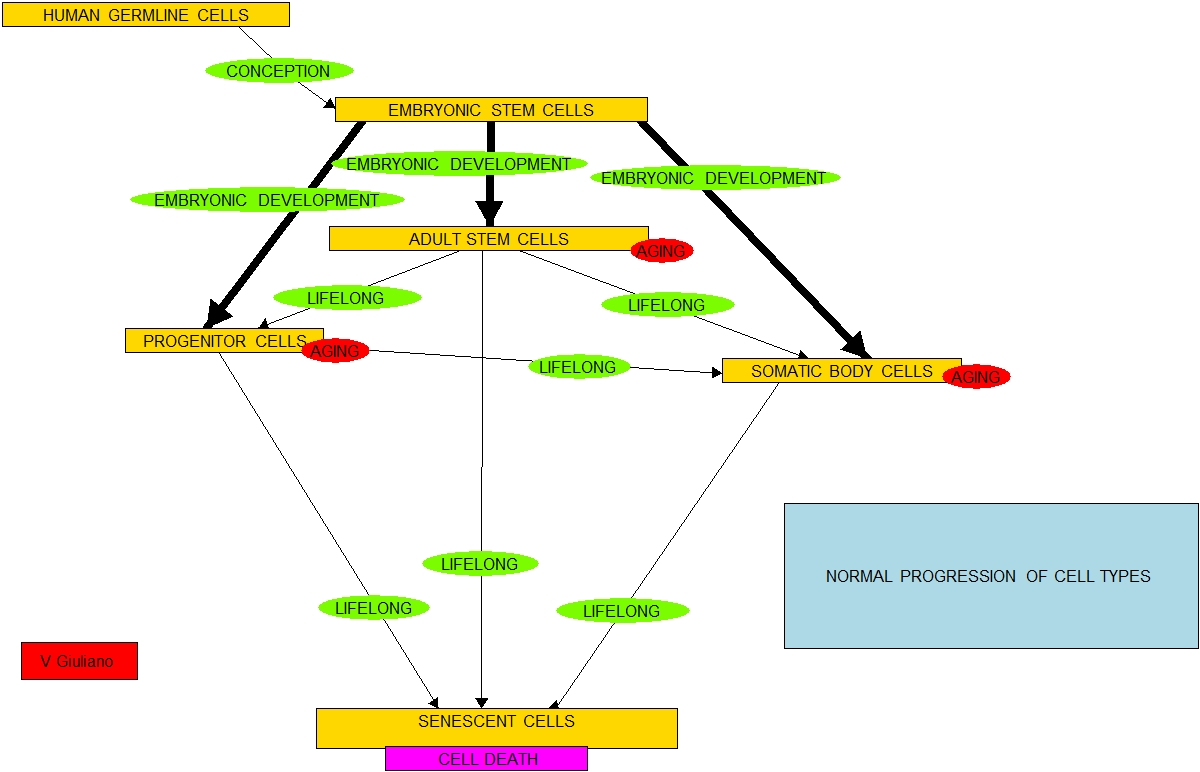
·        Aging and eventual senescence associated with cell replication applies to certain (I suspect, all) adult stem and progenitor cells as well as to normal functional somatic cells. 

·        As cells pass through their lifecycle of successive divisions they progressively change in multiple ways: a) in gene expression profiles, b) in the expression of multiple age-related proteins, c) in the abundance and variety of histones, d)  in telomere lengths, and e) in possible other epigenetic markers. 

·        I remind readers of a November 2009 Blog entry breakthrough telomere research finding that links telomere shortening to another of the key theories of aging, Programmed Epigenomic Changes. “Telomeric shortening at some point induces DNA damage which lets loose signaling which changes the epigenome disrupting epigenetic silencing and resulting in pro-aging global DNA expression.”

·        These changes can affect each other in complex ways.  The statement that “telomere length is the key biomarker clock of aging” is far too simplistic.  Telomere length is not the be-all and end-all of cellular aging.  And as a biomarker by itself, it can be tricky.

·        Telomere length homeostasis is a devilishly complex topic and we are just starting to sort out all the factors and interactions involved.  CHIP, HSP90 and p23 get added to TRF1/TRF2, shelterin-complex, PinX, Apollo, TERRA, ORC, HP1,  H3 K9me3 and tankyrase as factors involved in telomerase extension/shortening.  And of course a host of lifestyle and dietary measures are involved.  Gone are the old days of simple thinking “Want longer telomeres?  Just activate your telomerase gene.”

·        Taking curcumin as a supplement could involve an anti-cancer pro- telomeric-aging tradeoff.  This needs further study.

·        I see the above discussion as supportive of some of my favorite longevity concepts, namely:

o   aging involves a systematic process of choreographed epigenetic changes and is not simply the accumulated product of random damaging events,

o   adult stem cells are needed for tissue renewal but they themselves age and  require renewal, and

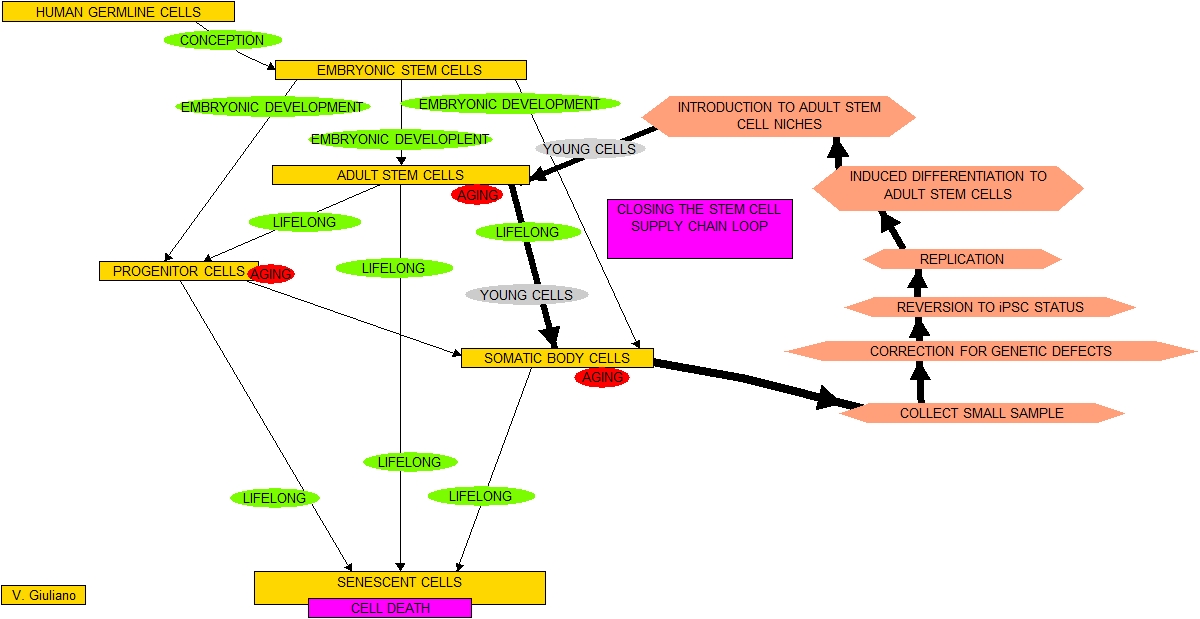
o   long-term strategies for extended longevity are a) focus on making the stem cell supply chain into a closed-loop process(ref)(ref) and b) discovery of how to generate systematic modifications of cell chromatin to restore earlier epigenetic states(ref).

Posted in Uncategorized | 13 Comments

Telomere lengths, Part 2: Lifestyle, dietary, and other factors associated with telomere shortening and lengthening

This blog entry provides an update on 2010 research relating to how certain everyday factors such as lifestyle, exercise and diet affect telomere lengths. 

This is the second in a 3-part mini-series of blog posts concerned with the implications of telomere lengths.  Part1 was concerned with telomere lengths, cancers and disease processes.  There I focused on a couple of specific questions: Are shorter telomere lengths predictive of cancers and other disease processes? And, are disease processes or unhealthful body conditions characterized by shorter telomere lengths?    I have also produced a Part 3 post concerned with the molecular biology of telomere length management focused on such subjects as the role of HSP-90 and P23 in regulation of telomere lengthening by telomerase.  That post will also state some of my views of the implications of telomere-related knowledge for healthy aging.

Background

If you are new to the subject of telomeres and telomerase, I suggest you start with the telomere/telomerase discussion in my treatise.    The discussion there provides background on telomeres, telomere shortening and lengthening, and the importance of telomere biology for aging.  I have also published a number of blog posts that provide much additional background including:

·        Stress, exercise and telomere lengths

·        Telomerase activators – what do they really do?

·        Vitamins, supplements and telomerase – upregulation or downregulation?

·        Exercise, telomerase and telomeres

·        Timely telomerase tidbits

·        Extra-telomeric benefits of telomerase – good news for telomerase activators

·        Telomere and telomerase writings

·        Revisiting telomere shortening yet-agai

·        More telomerase tidbits

·        You may be able to keep your telomeres long

The purpose of this current blog post is to cover some selected 2010 research not already discussed in my treatise or in the above blog entries.  I also weigh in with opinions on a few key points.

Telomere lengths and processed meats

It is possible to couple the results of two studies related to processed meats to see some interesting relationships.  The first such study is described in a 2010 publication published in Circulation, a journal of the American Heart Association Red and Processed Meat Consumption and Risk of Incident Coronary Heart Disease, Stroke, and Diabetes Mellitus.  This study is a meta-analysis of studies relating red and processed meat to CHD (coronary heart disease), stroke, and diabetes mellitus. Background— Meat consumption is inconsistently associated with development of coronary heart disease (CHD), stroke, and diabetes mellitus, limiting quantitative recommendations for consumption levels. Effects of meat intake on these different outcomes, as well as of red versus processed meat, may also vary.Methods and Results— We performed a systematic review and meta-analysis of evidence for relationships of red (unprocessed), processed, and total meat consumption with incident CHD, stroke, and diabetes mellitus. We searched for any cohort study, case-control study, or randomized trial that assessed these exposures and outcomes in generally healthy adults. Of 1598 identified abstracts, 20 studies met inclusion criteria, including 17 prospective cohorts and 3 case-control studies. All data were abstracted independently in duplicate. Random-effects generalized least squares models for trend estimation were used to derive pooled dose-response estimates. The 20 studies included 1 218 380 individuals and 23 889 CHD, 2280 stroke, and 10 797 diabetes mellitus cases. Red meat intake was not associated with CHD (n=4 studies; relative risk per 100-g serving per day=1.00; 95% confidence interval, 0.81 to 1.23; P for heterogeneity=0.36) or diabetes mellitus (n=5; relative risk=1.16; 95% confidence interval, 0.92 to 1.46; P=0.25). Conversely, processed meat intake was associated with 42% higher risk of CHD (n=5; relative risk per 50-g serving per day=1.42; 95% confidence interval, 1.07 to 1.89; P=0.04) and 19% higher risk of diabetes mellitus (n=7; relative risk=1.19; 95% confidence interval, 1.11 to 1.27; P<0.001). Associations were intermediate for total meat intake. Consumption of red and processed meat were not associated with stroke, but only 3 studies evaluated these relationships.Conclusions Consumption of processed meats, but not red meats, is associated with higher incidence of CHD and diabetes mellitus. These results highlight the need for better understanding of potential mechanisms of effects and for particular focus on processed meats for dietary and policy recommendations.”

The second study (2008) looks at telomere lengths as related to kinds of food intake Dietary patterns, food groups, and telomere length in the Multi-Ethnic Study of Atherosclerosis (MESA).  Objective: With data from 840 white, black, and Hispanic adults from the Multi-Ethnic Study of Atherosclerosis, we studied cross-sectional associations between telomere length and dietary patterns and foods and beverages that were associated with markers of inflammation.Design: Leukocyte telomere length was measured by quantitative polymerase chain reaction. Length was calculated as the amount of telomeric DNA (T) divided by the amount of a single-copy control DNA (S) (T/S ratio). Intake of whole grains, fruit and vegetables, low-fat dairy, nuts or seeds, nonfried fish, coffee, refined grains, fried foods, red meat, processed meat, and sugar-sweetened soda were computed with responses to a 120-item food-frequency questionnaire completed at baseline. Scores on 2 previously defined empirical dietary patterns were also computed for each participant.   Results: After adjustment for age, other demographics, lifestyle factors, and intakes of other foods or beverages, only processed meat intake was associated with telomere length. For every 1 serving/d greater intake of processed meat, the T/S ratio was 0.07 smaller (β ± SE: –0.07 ± 0.03, P = 0.006). Categorical analysis showed that participants consuming 1 serving of processed meat each week had 0.017 smaller T/S ratios than did nonconsumers. Other foods or beverages and the 2 dietary patterns were not associated with telomere length.  Conclusions: Processed meat intake showed an expected inverse association with telomere length, but other diet features did not show their expected associations.

So, together the two studies say:

·        Consumption of processed meat correlates with both shorter telomere lengths and increased susceptibility to CHD and diabetes mellitus.  Neither of these correlations exist for consumption of red meat.

·        Of a number of possibly not-good-for-you foods like sugar-sweetened soda, only consumption of processed meats was correlated with shorter telomeres.

·        Causal chain is unclear, e.g. whether eating processed meats leads to shorter telomeres which leads to increased disease susceptibilities or whether eating processed meats leads to disease susceptibilities which lead to shorter telomeres, or both or neither.

From a health and longevity perspective the two studies combine fairly powerfully to contraindicate eating processed meats, foods which have long been suspected to be carcinogenic because they tend to be infused with nitrites(ref).

Telomere lengths, dietary and lifestyle factors in middle-aged and older women

The 2010 publication Associations between diet, lifestyle factors, and telomere length in women reports “Background: Leukocyte telomere length is associated with diseases of aging, but there is limited knowledge of diet and lifestyle determinants.  Objective: The objective was to examine cross-sectionally the association between diet, body composition, and lifestyle factors on leukocyte telomere length in women.Design: Leukocyte telomere length was measured by quantitative polymerase chain reaction in 2284 female participants from the Nurses’ Health Study, who were selected as controls for an investigation of biological predictors of cancer. Diet, lifestyle, and anthropometric data were assessed by questionnaire.  Results: After multivariate adjustment, dietary fiber intake was positively associated with telomere length (z score), specifically cereal fiber, with an increase of 0.19 units between the lowest and highest quintiles (P = 0.007, P for trend = 0.03). Although total fat intake was not associated with telomere length, polyunsaturated fatty acid intake (–0.26 units, quintile 5 compared with quintile 1: P = 0.002, P for trend = 0.02), specifically linoleic acid intake, was inversely associated with telomere length after multivariate adjustment (–0.32 units; P = 0.001, P for trend = 0.05). Waist circumference was inversely associated with telomere length [0.15-unit difference in z score in a comparison of the highest ( 32 in, 81.28 cm) with the lowest ( 28 in, 71.12 cm) category (P = 0.01, P for trend = 0.02) in the multivariate model]. We found no association between telomere length and smoking, physical activity, or postmenopausal hormone use.  Conclusion: Although the strength of the associations was modest in this population of middle- and older-age women, our results support the hypothesis that body composition and dietary factors are related to leukocyte telomere length, which is a potential biomarker of chronic disease risk.”

I find the dietary associations with telomere lengths  in this study of women to be not at all surprising.   However, the assertions in the statement  We found no association between telomere length and smoking, physical activity, or postmenopausal hormone use” are surprising though they indeed may represent the data at hand.  Other well-designed studies have come up with contradictory conclusions: 

·        With respect to smoking, the 2005 publication Obesity, cigarette smoking, and telomere length in women found, for a sample of 1122 white women aged 18-76 years “A dose-dependent relation with smoking was recorded (p=0.017), and each pack-year smoked was equivalent to an additional 5 bp of telomere length lost (18%) compared with the rate in the overall cohort.”  This study, incidentally, also correlated obesity with shorter telomeres.  Telomeres of obese women were 240 bp shorter than those of lean women (p=0.026).” —  . Our results emphasize the pro-ageing effects of obesity and cigarette smoking.”  Other studies also support a strong correlation between cigarette smoking and telomere erosion.  The 2008 study Telomere Length, Cigarette Smoking, and Bladder Cancer Risk in Men and Women reports “We also observed a significant difference in telomere length across categories of pack-years of smoking (P = 0.01).”

·        With regard to exercise, in the blog entry Stress, exercise and telomere lengths I discuss a small research study that indicates that women who are under psychological stress and who participate in moderate exercise find the telomere-shortening effect of the stress nullified.  As predicted, among non-exercisers a one unit increase in the Perceived Stress Scale was related to a 15-fold increase in the odds of having short telomeres (p<.05), whereas in exercisers, perceived stress appears to be unrelated to TL (B = −.59, SE = .78, p = .45).”  This was a relatively small (63 healthy post-menopausal women aged between 54 and 82) and short (3 days) study using a self-evaluation 10-item questionnaire to measure psychological stress.  Nonetheless the implication is most interesting: exercise can nullify erosion in telomere lengths due to psychological stress.”

·        With respect to postmenopausal hormone use, again we seem to have a contradiction, this time as exemplified by the 2005 publication Effect of Long-Term Hormone Therapy on Telomere Length in Postmenopausal Women.  “Relative telomere length ratios in the HT group (65 women who had been on estrogen and progesterone therapy for more than five years) were significantly greater than those in the non-HT group (p<0.01). HT was significantly correlated with the relative telomere length ratio in multivariate analysis when potential confounding variables were controlled for (p<0.05). In conclusion, telomere lengths were longer in postmenopausal women who had a history of long-term HT than in postmenopausal women without HT. Long-term HT in postmenopausal women may alleviate telomere attrition.”

Telomere lengths in coronary heart disease patients as associated with Omega-3 fatty acid levels. 

The 2010 JAMA publication Association of Marine Omega-3 Fatty Acid Levels With Telomeric Aging in Patients With Coronary Heart Disease reports on a special population but comes to what I believe is a generally-valid conclusion.  Context:  Increased dietary intake of marine omega-3 fatty acids is associated with prolonged survival in patients with coronary heart disease. However, the mechanisms underlying this protective effect are poorly understood. – Objective:  To investigate the association of omega-3 fatty acid blood levels with temporal changes in telomere length, an emerging marker of biological age. — Design, Setting, and Participants:  Prospective cohort study of 608 ambulatory outpatients in California with stable coronary artery disease recruited from the Heart and Soul Study between September 2000 and December 2002 and followed up to January 2009 (median, 6.0 years; range, 5.0-8.1 years). — Main Outcome Measures:  We measured leukocyte telomere length at baseline and again after 5 years of follow-up. Multivariable linear and logistic regression models were used to investigate the association of baseline levels of omega-3 fatty acids (docosahexaenoic acid [DHA] and eicosapentaenoic acid [EPA]) with subsequent change in telomere length.  Results:  Individuals in the lowest quartile of DHA+EPA experienced the fastest rate of telomere shortening (0.13 telomere-to-single-copy gene ratio [T/S] units over 5 years; 95% confidence interval [CI], 0.09-0.17), whereas those in the highest quartile experienced the slowest rate of telomere shortening (0.05 T/S units over 5 years; 95% CI, 0.02-0.08; P < .001 for linear trend across quartiles). Levels of DHA+EPA were associated with less telomere shortening before (unadjusted β coefficient x 10–3 = 0.06; 95% CI, 0.02-0.10) and after (adjusted β coefficient x 10–3 = 0.05; 95% CI, 0.01-0.08) sequential adjustment for established risk factors and potential confounders. Each 1-SD increase in DHA+EPA levels was associated with a 32% reduction in the odds of telomere shortening (adjusted odds ratio, 0.68; 95% CI, 0.47-0.98). – Conclusion:  Among this cohort of patients with coronary artery disease, there was an inverse relationship between baseline blood levels of marine omega-3 fatty acids and the rate of telomere shortening over 5 years.”  I suspect this conclusion generalizes beyond CHD patients.

Telomere lengths and marital status

I am getting fairly good at predicting the outcomes of telomere length studies just from the titles of the studies.  An example is the October 2010 study Leukocyte telomere length and marital status among middle-aged adults.  My reasoning is “of course telomere lengths will generally be longer in married people, because they on the whole are probably less stressed.”  The study reports: “Background: being unmarried is associated with worse health and increased mortality risk. Telomere length has emerged as a marker for biological ageing but it is unclear how telomere length relates to marital status.   Objective: to examine the relationship between telomere length and marital status in a sample of middle-aged adults. Design and subjects: cross-sectional analysis among 321 adults aged 40-64 years. — Methods: telomere length was measured by PCR (T/S ratio). Participants provided information on healthy lifestyle activities including smoking, alcohol use, diet, exercise, obesity as well as social support. — Results: participants married or living with a partner had a mean T/S ratio of 1.70 and those widowed, divorced, separated or never married had a mean T/S ratio of 1.58 in a model adjusted for age, gender and race/ethnicity (P < 0.001). When the analysis was further adjusted for diet, alcohol consumption, exercise, smoking, social support, poverty and obesity, persons married or living with a partner had a higher mean T/S ratio of 1.69 than their unmarried counterparts (1.59) (P = 0.004). — Conclusions: these results indicate that unmarried individuals have shorter telomeres. This relationship between marital status and telomere length is independent of presumed benefits of marriage such as social support and a healthier lifestyle.”  OK.  No surprise here.

Telomere length, lifestyle and risk of coronary atherosclerosis

The September 2010 publication Effect of healthy lifestyle behaviors on the association between leukocyte telomere length and coronary artery calcium offers a somewhat more subtle message.  “The telomere length is an indicator of biologic aging, and shorter telomeres have been associated with coronary artery calcium (CAC), a validated indicator of coronary atherosclerosis. It is unclear, however, whether healthy lifestyle behaviors affect the relation between telomere length and CAC. In a sample of subjects aged 40 to 64 years with no previous diagnosis of coronary heart disease, stroke, diabetes mellitus, or cancer (n = 318), healthy lifestyle behaviors of greater fruit and vegetable consumption, lower meat consumption, exercise, being at a healthy weight, and the presence of social support were examined to determine whether they attenuated the association between a shorter telomere length and the presence of CAC. Logistic regression analyses controlling for age, gender, race/ethnicity, and Framingham risk score revealed that the relation between having shorter telomeres and the presence of CAC was attenuated in the presence of high social support, low meat consumption, and high fruit and vegetable consumption. Those with shorter telomeres and these characteristics were not significantly different from those with longer telomeres. Conversely, the subjects with shorter telomeres and less healthy lifestyles had a significantly increased risk of the presence of CAC: low fruit and vegetable consumption (odds ratio 3.30, 95% confidence interval 1.61 to 6.75), high meat consumption (odds ratio 3.33, 95% confidence interval 1.54 to 7.20), and low social support (odds ratio 2.58, 95% confidence interval 1.24 to 5.37). Stratification by gender yielded similar results for men; however, among women, only fruit and vegetable consumption attenuated the shorter telomere length and CAC relation. In conclusion, the results of the present study suggest that being involved in healthy lifestyle behaviors might attenuate the association between shorter telomere length and coronary atherosclerosis, as identified using CAC.”  The message here is worth emphasis: What seems to be very important for reducing  the risk of coronary atherosclerosis (by lowering coronary artery calcium) is the healthy lifestyle behavior, and whether telomeres are longer or shorter is secondary.

In summary, drawing not only on the above but on previously-reported studies:

·        Population study results sometimes appear to come to contradictory conclusions with respect to what shortens telomere lengths.

·        In general, it appears that negative health conditions like smoking, obesity or poor diet results in shorter telomeres.

·        Conditions that tend to reduce stress like being partnered tend to keep telomeres longer.

·        Interventions that enhance health like hormone replacement therapy, consuming Omega-3 oils or good diet tend to keep telomeres longer.

·        There can be considerable variability in telomere lengths both across studies and within individual studies.

There is much more to be said about telomere shortening/lengthening and even more to be learned.  The Part 3 post for this miniseries on telomere shortening is concerned with some of the key biomolecular mechanisms involved with telomere lengthening via telomerase.  Also, in that post I will recapitulate my current views on the implications of telomere science for longevity.

Posted in Uncategorized | 7 Comments

Telomere lengths, Part 1: Telomere lengths, cancers and disease processes

Telomere lengths and the complex processes of telomere homeostasis are being researched intensively from a number of viewpoints.   However, it has been some time since I have discussed issues related to telomere lengths in this blog.  In this Part 1 blog posting, I focus on research relating telomere lengths to disease processes.  I address a couple of specific questions: Are shorter telomere lengths predictive of cancers and other disease processes? And, are disease processes or unhealthful body conditions characterized by shorter telomere lengths?  As usual the applicable literature is vast and I have had to be highly selective in what I cover.  I include only selected controlled human population studies here, saving laboratory studies for subsequent blog entries.

In a Part 2 post, I will review research concerned with lifestyle, dietary, and other factors that appear to be associated with telomere shortening and lengthening.  A Part 3 post will be concerned with the molecular biology of telomere length management focused on such subjects as the role of HSP-90 and P23 in regulation of telomere lengthening by telomerase, and implications for healthy aging.

Telomere lengths as predictors of cancers

For some time it has been known that cancer patients tend to have shorter telomere lengths in certain non-cancerous cells (e.g. blood lymphocytes) than correspondingly matched individuals without cancer.  It has also been widely thought that abnormally short telomere lengths may increase cancer susceptibilities and, further, their presence could serve as biomarker predictors of cancers. 

For example, consider the 2003 paper Telomere dysfunction: a potential cancer predisposition factor.  BACKGROUND: Genetic instability associated with telomere dysfunction (i.e., short telomeres) is an early event in tumorigenesis. We investigated the association between telomere length and cancer risk in four ongoing case-control studies. — METHODS: All studies had equal numbers of case patients and matched control subjects (92 for head and neck cancer, 135 for bladder cancer, 54 for lung cancer, and 32 for renal cell carcinoma). Telomere length was measured in peripheral blood lymphocytes from study participants. Genetic instability was assessed with the comet assay. Patient and disease characteristics were collected and analyzed for associations with risk for these cancers. All statistical tests were two-sided. — RESULTS: Telomeres were statistically significantly shorter in patients with head and neck cancer (6.5 kilobases [kb]) than in control subjects (7.4 kb) (difference = 0.9 kb, 95% confidence interval [CI] = 0.5 to 1.2 kb; P<.001). Nine percent of patients with head and neck cancer were in the longest quartile of telomere length, whereas 59% were in the shortest quartile. Similar patterns were observed for lung, renal cell, and bladder cancer. — CONCLUSION: Short telomeres appear to be associated with increased risks for human bladder, head and neck, lung, and renal cell cancers.”  Note that the measurements showing shorter telomeres were in patients who already had cancers.  The authors assumed that these patients started out with shorter telomeres and therefore concluded that shorter telomeres could be predictive of cancer risk.  An alternative hypothesis is that telomere shortening resulted from the cancer process itself in which case the author’s conclusion would not follow.  It would be like saying “Wet puddles on the ground are associated with increased risk of rain.”

Two 2010 studies and a 2009 study cast doubt on the hypothesis that short telomeres are predictive biomarkers for cancers.  And one important 2010 study tends to support the same proposition.

The 2010 report Telomere length in blood cells and breast cancer risk: investigations in two case-control studies states “Telomere dysfunction, which leads to genomic instability, is hypothesized to play a causal role in the development of breast cancer. However, the few epidemiologic studies that assessed the relationship between telomere length in blood cells and breast cancer risk have been inconsistent. We conducted two case-control studies to further understand the role of telomere length and breast cancer risk. Overall telomere lengths were measured by telomere quantitative fluorescent in situ hybridization (TQ-FISH) and telomere quantitative real-time PCR (TQ-PCR). The associations between telomere length in blood leukocytes and risk of breast cancer were examined in two breast cancer case-control studies that were conducted at Roswell Park Cancer Institute (RPCI) and Lombardi Comprehensive Cancer Center (LCCC). Using the 50th percentile value in controls as a cut point, women who had shorter telomere length were not at significantly increased risk of breast cancer compared with women who had longer telomere length in the RPCI study (odds ratio [OR] = 1.34, 95% confidence interval [CI] = 0.84-2.12), in the LCCC study (OR = 1.18, 95% CI = 0.73-1.91), or in the combined RPCI and LCCC studies (OR = 1.23, 95% CI = 0.89-1.71). There was no significant dose-response relationship across quartiles of telomere length and no significant difference when comparing women in the lowest to highest quartile of telomere length. Overall telomere length in blood leukocytes was not significantly associated with the risk of breast cancer.”

The second 2010 study casting doubt on the value of telomere lengths for assessing cancer risk has a similar-sounding publication title but is quite different: Telomere length in prospective and retrospective cancer case-control studies.  “Previous studies have reported that shorter mean telomere length in lymphocytes was associated with increased susceptibility to common diseases of aging, and may be predictive of cancer risk. However, most analyses have examined retrospectively collected case-control studies. Mean telomere length was measured using high-throughput quantitative real-time PCR. Blood for DNA extraction was collected after cancer diagnosis in the East Anglian SEARCH Breast (2,243 cases and 2,181 controls) and SEARCH Colorectal (2,249 cases and 2,161 controls) studies. Prospective case-control studies were conducted for breast cancer (199 cases) and colorectal cancer (185 cases), nested within the EPIC-Norfolk cohort. Blood was collected at least 6 months prior to diagnosis, and was matched to DNA from two cancer-free controls per case. In the retrospective SEARCH studies, the age-adjusted odds ratios for shortest (Q4) versus longest (Q1) quartile of mean telomere length was 15.5 [95% confidence intervals (CI), 11.6-20.8; p-het = 5.7 x 10(-75)], with a “per quartile” P-trend = 2.1 x 10(-80) for breast cancer; and 2.14 (95% CI, 1.77-2.59; p-het = 7.3 x 10(-15)), with a per quartile P-trend = 1.8 x 10(-13) for colorectal cancer. In the prospective EPIC study, the comparable odds ratios (Q4 versus Q1) were 1.58 (95% CI, 0.75-3.31; p-het = 0.23) for breast cancer and 1.13 (95% CI, 0.54-2.36; p-het = 0.75) for colorectal cancer risk. Mean telomere length was shorter in retrospectively collected cases than in controls but the equivalent association was markedly weaker in the prospective studies. This suggests that telomere shortening largely occurs after diagnosis, and therefore, might not be of value in cancer prediction.”

The 2009 report The association between leukocyte telomere length and cigarette smoking, dietary and physical variables, and risk of prostate cancer states “In comparison to normal tissues, telomeres are shorter in high-grade intraepithelial neoplasia and prostate cancer. We examined prostate cancer risk associated with relative telomere length as determined by quantitative PCR on prediagnostic buffy coat DNA isolated from 612 advanced prostate cancer cases and 1049 age-matched, cancer-free controls from the PLCO Cancer Screening Trial. Telomere length was analyzed as both a continuous and a categorical variable with adjustment for potential confounders. Statistically significant inverse correlations between telomere length, age and smoking status were observed in cases and controls. Telomere length was not associated with prostate cancer risk (at the median, OR = 0.85, 95% CI: 0.67, 1.08); associations were similar when telomere length was evaluated as a continuous variable or by quartiles. The relationships between telomere length and inflammation-related factors, diet, exercise, body mass index, and other lifestyle variables were explored since many of these have previously been associated with shorter telomeres. Healthy lifestyle factors (i.e., lower BMI, more exercise, tobacco abstinence, diets high in fruit and vegetables) tended to be associated with greater telomere length. — This study found no statistically significant association between leukocyte telomere length and advanced prostate cancer risk.”

On the other side of the scale, the study described in the July 2010 JAMA report Telomere Length and Risk of Incident Cancer and Cancer Mortality measured telomere lengths at baseline in a cohort population long before incidences of cancer.  There is therefore no possibility of telomere shortening occurring after incidence of cancer.  Objective:  To determine the association between baseline telomere length and incident cancer and cancer mortality.   Design, Setting, and Participants:  Leukocyte telomere length was measured by quantitative polymerase chain reaction in 787 participants free of cancer at baseline in 1995 from the prospective, population-based Bruneck Study in Italy.   Main Outcome Measures:  Incident cancer and cancer mortality over a follow-up period of 10 years (1995-2005 with a follow-up rate of 100%). Results:  A total of 92 of 787 participants (11.7%) developed cancer (incidence rate, 13.3 per 1000 person-years). Short telomere length at baseline was associated with incident cancer independently of standard cancer risk factors (multivariable hazard ratio [HR] per 1-SD decrease in loge-transformed telomere length, 1.60; 95% confidence interval [CI], 1.30-1.98; P < .001). Compared with participants in the longest telomere length group, the multivariable HR for incident cancer was 2.15 (95% CI, 1.12-4.14) in the middle length group and 3.11 (95% CI, 1.65-5.84) in the shortest length group (P < .001). Incidence rates were 5.1 (95% CI, 2.9-8.7) per 1000 person-years in the longest telomere length group, 14.2 (95% CI, 10.0-20.1) per 1000 person-years in the middle length group, and 22.5 (95% CI, 16.9-29.9) per 1000 person-years in the shortest length group. The association equally applied to men and women and emerged as robust under a variety of circumstances. Furthermore, short telomere length was associated with cancer mortality (multivariable HR per 1-SD decrease in loge-transformed telomere length, 2.13; 95% CI, 1.58-2.86; P < .001) and individual cancer subtypes with a high fatality rate.   Conclusion:  In this study population, there was a statistically significant inverse relationship between telomere length and both cancer incidence and mortality.”

The 2007 publication Leukocyte Telomere Length Predicts Cancer Risk in Barrett’s Esophagus describes a prospective study where telomere length is measured initially in patients with a pre-cancerous condition, Barrett’s esophagus. “Purpose: Leukocyte telomere length has gained attention as a marker of oxidative damage and age-related diseases, including cancer. We hypothesize that leukocyte telomere length might be able to predict future risk of cancer and examined this in a cohort of patients with Barrett’s esophagus, who are at increased risk of esophageal adenocarcinoma and thus were enrolled in a long-term cancer surveillance program. — Patients and Methods: In this prospective study, telomere length was measured by quantitative PCR in baseline blood samples in a cohort of 300 patients with Barrett’s esophagus followed for a mean of 5.8 years. Leukocyte telomere length hazard ratios (HR) for risk of esophageal adenocarcinoma were calculated using multivariate Cox models. — Results: Shorter telomeres were associated with increased esophageal adenocarcinoma risk (age-adjusted HR between top and bottom quartiles of telomere length, 3.45; 95% confidence interval, 1.35-8.78; P = 0.009). This association was still significant when individually or simultaneously adjusted for age, gender, nonsteroidal anti-inflammatory drug (NSAID) use, cigarette smoking, and waist-to-hip ratio (HR, 4.18; 95% confidence interval, 1.60-10.94; P = 0.004). The relationship between telomere length and cancer risk was particularly strong among NSAID nonusers, ever smokers, and patients with low waist-to-hip ratio. — Conclusion: Leukocyte telomere length predicts risk of esophageal adenocarcinoma in patients with Barrett’s esophagus independently of smoking, obesity, and NSAID use. These results show the ability of leukocyte telomere length to predict the risk of future cancer and suggest that it might also have predictive value in other cancers arising in a setting of chronic inflammation.”

Shorter telomeres in cancer patients

Most cancer cells express telomerase and this serves to keep the telomeres in cancer cells long enough so that these cells do not senesce and become virtually immortal. However, studies have established that patients with several kinds of cancer have shorter telomeres than their normal counterparts.  Some representative study reports bringing out this point are:

(2008) Short telomeres, telomerase reverse transcriptase gene amplification, and increased telomerase activity in the blood of familial papillary thyroid cancer patients.  RESULTS: RTL (relative telomere length), measured by quantitative PCR, was significantly (P < 0.0001) shorter in the blood of FPTC (familial papillary thyroid cancer) patients, compared with sporadic PTCs, healthy subjects, nodular goiter subjects, and unaffected siblings. Also by fluorescence in situ hybridization analysis, the results confirmed shorter telomere lengths in FPTC patients — CONCLUSION: Our study demonstrates that patients with FPTC display an imbalance of the telomere-telomerase complex in the peripheral blood, characterized by short telomeres, hTERT gene amplification, and expression.”

The study described in the 2007 paper Telomere length, cigarette smoking, and bladder cancer risk in men and women compares telomere lengths in bladder cancer cases and healthy controls. “Truncated telomeres are among the defining characteristics of most carcinomas. — Using quantitative real-time PCR, we measured relative telomere length in bladder cancer cases and healthy controls and evaluated the association between telomere length, cigarette smoking, and bladder cancer risk in a case-control study nested within the Health Professionals Follow-up Study and a case-control study nested within the Nurses’ Health Study. Telomeres were significantly shorter in bladder cancer cases (n = 184) than in controls (n = 192). The mean relative telomere length in cases was 0.23 (SD, 0.16) versus 0.27 (SD, 0.15) in controls (P = 0.001). The adjusted odds ratio for bladder cancer was 1.88 (95% confidence interval, 1.05, 3.36) for individuals in the quartile with the shortest telomeres as compared with individuals in the quartile with the longest telomeres (P(trend) = 0.006). We observed a statistically significant difference in telomere length among men and women (P < 0.001); however, the interaction between gender, telomere length, and bladder cancer risk was not significant. We also observed a significant difference in telomere length across categories of pack-years of smoking (P = 0.01).”  However, a conclusion was drawn by the authors that does not appear to be justified by the data: “These findings suggest that truncated telomeres are associated with an increased risk of bladder cancer.”  Since the shorter telomeres were observed in patients that actually had bladder cancer it is not clear whether the patients tended to have shorter telomeres to start with, or whether telomere shortening was a consequence of the cancer process. 

The 2007 paper Short telomeres in aggressive non-Hodgkin’s lymphoma as a risk factor in lymphomagenesis characterizes how telomeres are shorter in lymphoma cancer patients but again may incorrectly conclude that such shorter telomeres may serve as disease-predictive biomarkers. “OBJECTIVE: Telomeres cap chromosomal ends and help to maintain chromosomal integrity. Telomere shortening may result in chromosomal instability and, ultimately, malignant transformation of cells. It has not been systematically studied whether patients with malignancy have shortened telomeres in their normal, nontransformed cells, which might point to a preexisting disposition for chromosomal instability. — METHODS: We designed an (age-) matched pair analysis that compared telomere length in nonmalignant peripheral leukocytes from previously untreated patients who recently developed an aggressive non-Hodgkin’s lymphoma, with leukocytes from healthy individuals. — RESULTS: Telomere lengths in B and T lymphocytes as well as granulocytes from the patients’ group were significantly shorter than those from age-matched healthy controls. We were able to rule out increased proliferation, telomerase defects, or increased oxidative stress in patients as confounding factors of shortened telomeres.”  CONCLUSION: Short telomeres in nontransformed leukocytes may constitute a risk factor for lymphomagenesis.”  The conclusion may not be valid since the observation of telomeres in nontransformed leukocytes took place in patients who had already developed an aggressive non-Hodgkin’s lymphoma.

Telomere lengths as predictors of stroke consequences

The 2006 publication Telomere length predicts poststroke mortality, dementia, and cognitive decline looked at telomere lengths in stroke survivors.  Objective:Long-term cognitive development is variable among stroke survivors, with a high proportion developing dementia. Early identification of those at risk is highly desirable to target interventions for secondary prevention. Telomere length in peripheral blood mononuclear cells was tested as prognostic risk marker. – Methods:  A cohort of 195 nondemented stroke survivors was followed prospectively from 3 months after stroke for 2 years for cognitive assessment and diagnosis of dementia and for 5 years for survival. Telomere lengths in peripheral blood mononuclear cells were measured at 3 months after stroke by in-gel hybridization. Hazard ratios for survival in relation to telomere length and odds ratios for dementia were estimated using multivariate techniques, and changes in Mini-Mental State Examination scores between baseline and 2 years were related to telomere length using multivariate linear regression. – Results:  Longer telomeres at baseline were associated with reduced risk for death (hazard ratio for linear trend per 1,000bp = 0.52; 95% confidence interval, 0.28–0.98; p = 0.04, adjusted for age) and dementia (odds ratio for linear trend per 1,000bp = 0.19; 95% confidence interval, 0.07–0.54; p = 0.002) and less reduction in Mini-Mental State Examination score (p = 0.04, adjusted for baseline score).  Interpretation: Telomere length is a prognostic marker for poststroke cognitive decline, dementia, and death.”

Telomere shortening and cardiovascular disease

The 2008 paper Telomere biology in heart failure offers a thoughtful discussion:  Conclusions and perspectives  Telomere and telomerase have recently been shown to be associated with cardiovascular disease and its risk factors. Critically short telomeres, changes in telomere-binding proteins, and decreased telomerase activity have all been implicated in the activation of cellular damage pathways, and eventually cellular dysfunction, senescence and apoptosis. It remains to be elucidated whether WBC telomere shortening, which is frequently observed in CHD and CHF is a cause or a consequence of the disease. Future experimental and epidemiological studies to determine telomere length in relation to cardiac function will contribute to our understanding of the role of telomeres in cardiovascular disease and might open up new avenues for risk stratification and interventions.” 

The 2010 publication Telomere length trajectory and its determinants in persons with coronary artery disease: longitudinal findings from the heart and soul study illustrates the complexity of telomere biology and why simplistic correlations of telomere lengths with disease states may not work. “Leukocyte telomere length, an emerging marker of biological age, has been shown to predict cardiovascular morbidity and mortality. However, the natural history of telomere length in patients with coronary artery disease has not been studied. We sought to investigate the longitudinal trajectory of telomere length, and to identify the independent predictors of telomere shortening, in persons with coronary artery disease. — METHODOLOGY/PRINCIPAL FINDINGS: In a prospective cohort study of 608 individuals with stable coronary artery disease, we measured leukocyte telomere length at baseline, and again after five years of follow-up. We used multivariable linear and logistic regression models to identify the independent predictors of leukocyte telomere trajectory. Baseline and follow-up telomere lengths were normally distributed. Mean telomere length decreased by 42 base pairs per year (p<0.001). Three distinct telomere trajectories were observed: shortening in 45%, maintenance in 32%, and lengthening in 23% of participants. The most powerful predictor of telomere shortening was baseline telomere length (OR per SD increase = 7.6; 95% CI 5.5, 10.6). Other independent predictors of telomere shortening were age (OR per 10 years = 1.6; 95% CI 1.3, 2.1), male sex (OR = 2.4; 95% CI 1.3, 4.7), and waist-to-hip ratio (OR per 0.1 increase = 1.4; 95% CI 1.0, 2.0).  CONCLUSIONS/SIGNIFICANCE: Leukocyte telomere length may increase as well as decrease in persons with coronary artery disease. Telomere length trajectory is powerfully influenced by baseline telomere length, possibly suggesting negative feedback regulation. Age, male sex, and abdominal obesity independently predict telomere shortening. The mechanisms and reversibility of telomeric aging in cardiovascular disease deserve further study.”

Telomere lengths, insulin resistance and obesity

Two interesting 2010 studies look at Arab populations.  The very-recent October 2010 study Adiposity and insulin resistance correlate with telomere length in middle-aged Arabs: the influence of circulating adiponectin reports: “OBJECTIVE: Studies in obesity have implicated adipocytokines in the development of insulin resistance, which in turn may lead to accelerated aging. In this study, we determined associations of chromosomal telomere length (TL) to markers of obesity and insulin resistance in middle-aged adult male and female Arabs with and without diabetes mellitus type 2 (DMT2). — DESIGN AND METHODS: One hundred and ninety-three non-diabetic and DMT2 subjects without complications (97 males and 96 females) participated in this cross-sectional study. Clinical data, as well as fasting blood samples, were collected. — RESULTS: Circulating chromosomal leukocyte TL had significant inverse associations with body mass index (BMI), systolic blood pressure, fasting insulin, homeostasis model assessment of insulin resistance (HOMA-IR), low-density lipoprotein (LDL)- and total cholesterol, ANG II and hsCRP levels. Adiponectin, BMI, systolic blood pressure, and LDL cholesterol predicted 47% of the variance in TL (P<0.0001). HOMA-IR was the most significant predictor for TL in males, explaining 35% of the variance (P=0.01). In females, adiponectin accounted for 28% of the variance in TL (P=0.01). — CONCLUSION: Obesity and insulin resistance are associated with chromosomal TL among adult Arabs. Evidence of causal relations needs further investigation. The positive association of adiponectin to TL has clinical implications as to the possible protective effects of this hormone from accelerated aging.”  Yet again, what is cause and what is effect is unclear.

The July 2010 study Telomere length in relation to insulin resistance, inflammation and obesity among Arab youth reports “ AIM: The aim of this study was to determine the associations of telomere length to markers of obesity, insulin resistance and inflammation in Saudi children. — METHODS: A total of 69 boys and 79 girls, aged 5-12 years, participated in this cross-sectional study. Anthropometrics were measured. Serum glucose and lipid profile were measured using routine laboratory methods. Serum insulin, leptin, adiponectin, resistin, tumour necrosis factor-alpha and active plasminogen activator inhibitor 1 were quantified using customized multiplex assay kits. C-reactive protein and angiotensin II were quantified using ELISA. Leucocyte telomere length was examined by quantitative real time PCR utilizing IQ cycler. —RESULTS: Mean telomere length was significantly shorter in obese boys compared with their lean counterparts (p = 0.049), not in girls. It was not associated to insulin resistance, adipocytokines and markers of inflammation. In girls, the significant predictor of telomere length was waist circumference, explaining 24% of variance (p = 0.041) while in boys, systolic blood pressure explained 84% of the variance (p = 0.01). — CONCLUSION: Childhood obesity in boys corresponds to shorter leucocyte telomere length which is not evident in girls. The association of leucocyte telomere length to blood pressure and waist circumference in children suggests clinical implications as to the contribution of these parameters in premature ageing.” 

If you have a subscription to the Annals of the New York Academy of Sciences and want to explore more on this subject, you could read the September 2010 article Telomeres and life histories: the long and the short of it.

My take on these sometimes-contradictory studies is that:

·        The extent to which telomere shortening is cause or consequence of a disease process is an open question not only for several cancers but also for other conditions like coronary heart disease and obesity.  Much further clarification is needed.

·        In general, shorter telomeres appear to be associated with the presence of diseases and conditions of poor health or health risk like smoking, poor diet or obesity and with advancing age.

·         Most likely, initial lengths of blood cell telomeres are predictive of both cancer risk, cancer mortality and even overall mortality in the most general sense.

·        The value of short telomeres as a biomarker of cancer risk may depend critically on the type of cancer or precancerous condition.  E.g. The indicator could be valuable in the case of Barrett’s esophagus but not be useful for predicting susceptibility for breast and colorectal cancers.

·        Although several cancers are associated with shorter telomeres in healthy tissues, this does not appear to be the case for all cancers, e.g. prostate cancer.

·        For some special conditions such as prediction of stroke consequences, telomere length appears to be a useful biomarker.

·        Simplistic correlations of telomere lengths with disease states or progression for prognostic or diagnostic purposes may be misleading or not work.  And even in some people with serious diseases, telomeres may grow longer over a period of years as well as get shorter.  Many causes operate to determine telomere lengths.  Part 3 of this mini-series of blog posts will be concerned with some of the molecular biological mechanisms for telomere length homeostasis.

·        There appears to be a significant amount of research going on related to telomere lengths, and new results can be expected to appear frequently.  Hopefully, this research will clarify some of the existing confusion as to the value of telomere lengths as a predictive biomarker.

·        My current opinion is that there is so much variability associated with telomere lengths that for most disease processes a telomere length biomarker will be useful only in a patterned combination with other predictive biomarkers, probably several of them.

Posted in Uncategorized | 2 Comments

Genomic stability, DNA repair and the sirtuin SIRT6

One theory of aging is that the genome and other DNA of an organism accumulate increasing numbers of errors with age and that these errors are responsible for the macroscopic phenomenon we call “aging.” See the second theory of aging covered in my treatise, Cell DNA Damage. After a discussion of background I focus in this blog entry on a special topic related to very-recent research news, the role of the sirtuin SIRT6 in assuring genomic stability. I also touch on other possible roles of SIRT6 in assuring longevity.

Background on genomic stability, aging and DNA repair

The DNA in a healthy organism is hardly static. In human cells, both normal metabolic activities and environmental factors such as UV light and radiation can cause DNA damage, resulting in as many as 1 million individual molecular lesions per cell per day.[1] (ref )” If there are on the order of 30 trillion cells in the body, it takes a calculator with a lot more decimal places than mine has to show the number of such daily molecular DNA damage events. Many of these lesions cause structural damage to the DNA molecule and can alter or eliminate the cell’s ability to transcribe the gene that the affected DNA encodes. Other lesions induce potentially harmful mutations in the cell’s genome, which affect the survival of its daughter cells after it undergoes mitosis(ref ).” So, the health of the genome is driven by the dynamic interaction between an ongoing onslaught of DNA damage on the one hand and the body’s DNA repair and cell-policing machinery on the other hand. Damage can include:

Double strand DNA breaks discussed in the blog entry DNA repair cleanup failure – a root cause for cancers. These are breaks that can occur naturally in cell differentiation or that are created by radiation and certain chemicals.”  The current view is that most spontaneous chromosomal rearrangements result from DSBs created mainly during DNA replication as a result of broken, stalled or collapsed replication forks(ref).”

Single strand DNA breaks.  These breaks constitute the most commonly-occurring form of DNA damage and ares discussed in the April 2010 blog entry More on DNA repair strategies.

Aneuploidy– extra or missing chromosomes. Aneuploidy can occur during cell divisions

*  Errors introduced inthe DNA repair process itself or in the process of repair cleanup. Some of these are discussed in the two aforementioned blog entries.

*  Other types of DNA errors such as those listed here.

DNA damage can impede normal cell differentiation and division, can lead to cancers, Alzheimer’s Disease and numerous other diseases, and produce the phenotype of aging. Somatic mutation rate in Drosophila (fruit flies) correlates with aging(ref). Further, chromosomal and DNA damage is known in mice as well as Drosophila to increase with aging and vary by organ. For example, the amount of aneuploidy gain in chromosome 18 in mouse brains increases with age. (F. Faggioli, unpublished data). And, spontaneous mutation frequency in mouse intestines increases drastically with age but remains essentially flat with age in mouse spleen, testis and brains(ref).

The body has developed sophisticated mechanisms for detecting DNA damage and DNA repair. Discussion of some of the central DNA repair mechanisms are provided in the two aforementioned blog entries (ref)(ref). If the topic fascinates you, you could also look at these representative articles and their “related citations” lists: Dancing on damaged chromatin: functions of ATM and the RAD50/MRE11/NBS1 complex in cellular responses to DNA damage, Mre11-Rad50-Nbs1 is a keystone complex connecting DNA repair machinery, double-strand break signaling, and the chromatin template, DNA damage and repair in Alzheimer’s disease, and DNA repair, mitochondria, and neurodegeneration. 

And of course, if a cell decides that DNA damage has occurred beyond that which can be repaired, if it has not already turned cancerous it brings its apoptotic mechanisms into play which is to say, commits suicide. See this blog entry on the P53 “guardian of the genome.”

In previous blog entries I have discussed how Sirtuins, SIRT1 in particular, might affect aging through their impact on the insulin/Igf1-like signaling pathway(ref)(ref)(ref)(ref), the pathway involved in calorie restriction life extension(ref). Limited overexpression of the Sir2 gene (in humans known as SIRT1) results in a lifespan extension of about 30%[10], if the lifespan is measured as the number of cell divisions the mother cell can undergo before cell death(ref).” Other Sirtuins also affect aging through different pathways. Here, I will be concerned with the role of SIRT6 in a DNA repair pathway known as homologous recombination.

SIRT6 and DNA repair

As far back as 2006 it was recognized that SIRT6 plays a critical role in DNA repair. The 2006 publication Certainly can’t live without this: SIRT6 summarized the situation: “Cellular metabolic rates might regulate aging by impinging on genomic stability through the DNA repair pathways. A new study published in Cell (Mostoslavsky et al., 2006) reports that deficiency in one of the mammalian Sir2 homologs, SIRT6, results in genome instability through the DNA base excision repair pathway and leads to aging-associated degenerative phenotypes.” The Mostoslavsky paper Genomic instability and aging-like phenotype in the absence of mammalian SIRT6 reported “Here, we demonstrate that SIRT6 is a nuclear, chromatin-associated protein that promotes resistance to DNA damage and suppresses genomic instability in mouse cells, in association with a role in base excision repair (BER). SIRT6-deficient mice are small and at 2-3 weeks of age develop abnormalities that include profound lymphopenia, loss of subcutaneous fat, lordokyphosis, and severe metabolic defects, eventually dying at about 4 weeks. We conclude that one function of SIRT6 is to promote normal DNA repair, and that SIRT6 loss leads to abnormalities in mice that overlap with aging-associated degenerative processes.” Exactly how SIRT6 worked to support DNA damage repair was not known at that time.

A 2008 publication SIRT6 in DNA repair, metabolism and ageing looked more carefully at the role of SIRT6 as well as the other sirtuins in DNA repair and promoting longevity. “Overexpression or hyperactivity of sirtuins in many organisms – including yeast, worms, flies, and potentially fish and mammals – promotes longevity [2]. Mammals possess at least seven sirtuins, termed SIRT1–SIRT7 [3, 4]. Sirtuins exert their effects via NAD+-dependent enzymatic modification of other proteins: — SIRT6 deficiency causes a degenerative syndrome with progeroid features — From the standpoint of ageing research, SIRT6 deficiency causes the most striking phenotype among all the sirtuin knockouts. At the cellular level, SIRT6 deficiency leads to slow growth and increased sensitivity to certain forms of genotoxic damage. In addition, SIRT6-deficient cells show increased spontaneous genomic instability, characterized by numerous non-clonal chromosomal aberrations [1]. These findings suggest a defect in the ability of SIRT6-deficient cells to cope with DNA damage.” This paper goes on to speculate how SIRT6 may affect DNA damage repair, but more clarity on this subject is provided by very-recent publications cited here directly below.

Exactly how SIRT6 impacts on DNA repair is characterised in a September 2010 publication Human SIRT6 Promotes DNA End Resection Through CtIP Deacetylation. We found that human SIRT6 has a role in promoting DNA end resection, a crucial step in DNA double-strand break (DSB) repair by homologous recombination. SIRT6 depletion impaired the accumulation of replication protein A and single-stranded DNA at DNA damage sites, reduced rates of homologous recombination, and sensitized cells to DSB-inducing agents. We identified the DSB resection protein CtIP [C-terminal binding protein (CtBP) interacting protein] as a SIRT6 interaction partner and showed that SIRT6-dependent CtIP deacetylation promotes resection. A nonacetylatable CtIP mutant alleviated the effect of SIRT6 depletion on resection, thus identifying CtIP as a key substrate by which SIRT6 facilitates DSB processing and homologous recombination. These findings further clarify how SIRT6 promotes genome stability.” Double-strand breaks (DSBs)and DNA repair via homologous recombination are simply described in the blog entry DNA repair cleanup failure – a root cause for cancers. DNA resection is a critical step in the repair process for DSBs . “DNA-end resection, the first step in recombination, is a key step that contributes to the choice of DSB repair. Resection, an evolutionarily conserved process that generates single-stranded DNA, is linked to checkpoint activation and is critical for survival. Failure to regulate and execute this process results in defective recombination and can contribute to human disease(ref).”

An editor of Science summarized the important finding in the September 2010 Editor’s Choice article under the caption UnSIRT6ain Repair. He wrote “Efficient and accurate repair of double-strand DNA breaks is critical for genome stability and involves a process known as homologous recombination. During repair of the sheared ends, the DNA must be resected by trimming one of the two strands on either side of the break. For the repair to be accurate, the remaining single-stranded DNA (ssDNA) has to be bound by the ssDNA-binding protein, RPA, after which the ssDNA can then bind homologous sequences. Kaidi et al. found that the mammalian deacetylase, SIRT6 (which has been implicated in maintaining genome stability), was critical for resection. At sites of DNA damage, SIRT6 deacetylated and activated CtIP (a protein important for resection), ensuring that resection occurred at the appropriate place and time.”

Other longevity-related roles of SIRT6

I have previously pointed out that SIRT6 appears to also have other important health and possibly longevity-producing effects, particularly the inhibition of NF-kappaB signaling. See the 2009 article SIRT6 links histone H3 lysine 9 deacetylation to NF-kappaB-dependent gene expression and organismal life span.

Also, SIRT6 appears to exercise control over critical glucose-metabolic pathways which could affect lifespan regulation. SIRT6 may also play an important role in repressing cancers. The Massachusetts General Hospital 2010 news release Lack of cellular enzyme triggers switch in glucose processing discusses SIRT6. “In a series of experiments in mouse cells, the researchers showed that SIRT6-deficiency hypoglycemia is caused by increased cellular uptake of glucose and not by elevated insulin levels or defects in the absorption of glucose from food. They then found increased levels of glycolysis and reduced mitochondrial respiration in SIRT6-knockout cells, something usually seen when cells are starved for oxygen or glucose, and showed that activation of the switch from cellular respiration to glycolysis is controlled through SIRT6’s regulation of a protein called HIF1alpha. Normally, SIRT6 represses glycolytic genes through its role as a compactor of chromatin – the tightly wound combination of DNA and a protein backbone that makes up chromosomes. In the absence of SIRT6, this structure is opened, causing activation of these glycolytic genes. — Elevated glycolysis also is commonly found in tumor cells, suggesting that a lack of SIRT6 could contribute to tumor growth.” The same Raul Mostoslavsky is still studying sirtuins and DNA repair. “The Mostoslavsky Laboratory at Massachusetts General Hospital is interested in understanding the influence of chromatin on DNA repair, and the relationship between the DNA damage response and the metabolic adaptation of cells. We focus on the study of a group of proteins called SIRTs, the mammalian homologues of the yeast Sir2. Sir2 is a chromatin silencer that functions as an NAD-dependent histone deacetylase to inhibit DNA transcription and recombination(ref).”

There is still more to be said about SIRT6 and the other sirtuins. And there is more that can be said about DNA repair. Also, I have not touched here on another important topic related to genomic stability: changes in the epigenome that occur in aging. There appears to be no end to possible topics for future blog entries.

Posted in Uncategorized | 4 Comments

Another guided-missile cancer therapy – that works

A small biotech company, ImmunoGen, has been developing targeted therapies for cancers, therapies based on attaching anticancer drug payloads to antibodies that home in on cancer cells.  This is another “guided missile” strategy that promises to increase the efficacy and reduce the toxicity of treatments for several cancers.  The impact on the “war on cancer” is likely to be important.

Guided-missile cancer therapies

These are therapies that are designed to home in on cancer cells and tumors, in contrast to the usual chemotherapy and radiation therapies that affect multiple healthy body tissues as well as cancerous ones.  One example was given in the blog entry Trojan-horse stem cells might offer an important new cancer therapy.  The therapeutic concept is simple and based on two observations.  The first observation is that for some reason mesenchymal stem cells (MSCs which are normally found in bone marrow) circulating in the body seek out cancer cells.  I conjecture that this is because cancers excrete signaling molecules that cause the circulating MSCs to home in on them, a strategy cancers use to achieve rapid growth(ref). The second observation is that it is possible to attach a payload molecule to mesenchymal stem cells which cause them to kill cancer cells but not normal cells, a molecule called TRAIL (TNF-related apoptosis-inducing ligand in case you wanted to know).” 

Another example of a guided missile anti-cancer therapy is discussed in the blog entry Terminator stem cells in the early pipeline.  The concept here is engineering stem cells so they differentiate into body cells that target, go after and kill “bad” cells, such as cells infected with HIV or cancer cells.“

A third example is given in the blog entry Progress in stem cell oncolytic virotherapy.   In this case “The basic idea is to go after cancer cells with viruses that kill them.  To help the viruses escape the immune system, they are packaged in stem cells that are expected to snuggle up to the cancer cells.  It is hoped that the approach will go after cancer stem cells as well as mature cancer cells and therefore possibly provide a basic cure for the cancer concerned.  The broader area, oncolytic virotherapy is an approach to curing cancers that has been intensely researched for a number of years.  What is new is using stem cells or other human cells for safely getting the viruses to and into the target cancer cells.”

Targeted Antibody Payload technology

ImmunoGen is a 200-person biotech company located in Waltham Massachusetts near where I live.  ImmunoGen has been developing yet-another guided-missile anti-cancer approach, Targeted Antibody Payload (TAP) technology.  This morning there was news that ImmunoGen is cutting a deal with drug giant Novartis.    ImmunoGen is riding very high.  Under a collaboration agreement to discover and develop antibody drug conjugates (ADCs) for cancer, Novartis will pay ImmunoGen a US$45 million fee upfront for exclusive rights to combine the TAP technology with antibodies to several as yet unnamed antigen targets. —  For each of these targets that results in an anticancer therapeutic, ImmunoGen will be entitled to receive milestone payments potentially totalling US $200.5 million, as well as royalties on any ensuing product sales.  — ImmunoGen also stands to get financial compensation for research and any manufacturing it does on behalf of Novartis. The Swiss company is responsible for the development, manufacturing and marketing of any products that emerge from the collaboration. — As ImmunoGen pointed out, the new agreement means it now has partnerships with the pharmaceutical industry’s top three oncology antibody-based therapeutic companies, Roche/Genentech, Sanofi-Aventis and Novartis(ref).”

TAP technology involves attaching cancer-killing substances to antibodies that home in on cancer cells.  TAP technology consists of three components, the cancer cell killing agent, the antibodies and what are called linkers that link the two together.

Killing agents

Because the cancer-killing drugs will only affect cancer cells, they can be vastly more powerful than the usual chemotherapy agents.  From the Immunogen website “Our cancer-cell killing agents (CKAs) are 1,000- to 10,000-fold more potent than traditional chemotherapy drugs. We developed them specifically for attachment to antibodies for targeted delivery to cancer cells. — The CKAs used in the TAP compounds in clinical testing act by interfering with tubulin and kill cancer cells when they attempt to undergo cell division. We continue to expand our portfolio of CKAs to further extend the utility of our technology, and unveiled our IGN family of DNA-acting agents at a scientific conference last year.”

Antibodies

“Each TAP compound contains an antibody that binds specifically to an antigen found on cancer cells. Each different TAP compound contains a different antibody, enabling different cancers to be targeted. For example, T-DM1, IMGN901, and SAR3419 are in development for HER2+ cancers, CD56+ cancers, and CD19+ cancers, respectively, as their antibodies target these different types of cancers(ref).”

Linkers

Immunogen has developed what it calls “linkers” to make sure the CKAs do what they are supposed to do and only what they are supposed to do.  “Our linkers serve to keep our CKAs attached to the antibody until the TAP compound has entered a cancer cell. They then control the release of the CKA to kill the cancer cell. — Just as different cancers respond better to some drugs than others, we have found that different linkers work better for some cancers than others. Therefore, we have developed a portfolio of linkers to enable us, and our partners, to achieve the best product design for the cancer target. Our modular approach – separate linkers and CKAs – enables rapidly evaluation of different product designs(ref).”

Preliminary clinical results

A press release from the European Society for Medical Oncology describes initial results of a clinical trial using the TAP technology to treat HER2-positive metastatic breast cancer. “Principal investigator Edith Perez, MD, Mayo Clinic in Florida, presented the results of the first ever randomized trial of trastuzumab-DM1 (T-DM1) as a first-line treatment for metastatic breast cancer.  — T-DM1 is the first of a new type of cancer medicine known as an antibody-drug conjugate. It binds together two existing cancer drugs with the aim of delivering both drugs specifically to cancer cells: trastuzumab, a monoclonal antibody that targets cells that overproduce the protein HER2; and DM1, a chemotherapy agent that targets microtubules.   — “This is the first ever presentation of an anti-HER2 antibody-drug conjugate used as first-line therapy for patients with advanced breast cancer,” said Professor Perez. “We are encouraged by the results. The study demonstrated that T-DM1 has very good anti-tumor activity as well as much lower toxicity when evaluated side by side to the older ‘standard’.” –  T-DM1 has shown promising activity in preclinical studies. Other clinical trials have also shown it to be effective in patients whose advanced cancer has not responded to other treatments. “This trial represents the logical step –moving the drug up to patients with newly diagnosed HER2-positive metastases,” Prof Perez said. — In the trial, researchers randomly assigned 137 women to treatment with either trastuzumab plus the chemotherapy drug docetaxel, or T-DM1. All participants had HER2-positive metastatic cancer, with no prior chemotherapy for their metastatic disease.  — After a median of approximately 6 months of follow-up, the researchers found an overall response rate of 48% in patients administered T-DM1, compared to 41% in the trastuzumab .  Perhaps the most significant finding was a drastic decrease in adverse effects due to the therapy.  “Importantly, the rates of clinically relevant adverse events were significantly lower in the T-DM1 arm (37%) compared to the rate in women given traztuzumab plus docetaxel (75%).”

The press release goes on: “This trial is ongoing and the positive outcomes are generating enthusiasm for a larger Phase-III trial which is now underway — The results are important for two reasons, commented Dr Fabrice André from Institut Gustave Roussy in Villejuif, France.  “Firstly, they confirm that in coming years chemotherapy could be replaced by a less toxic compound. Indeed, in the present study, the rates of serious adverse events were much lower in patients given T-DM1 compared to the chemotherapy arm. These results suggest that, with the same efficacy, T-DM1 could dramatically reduce the toxicities related to chemotherapy.” — The second important implication of this study is that it proves the concept that linking a monoclonal antibody to a cytotoxic drug leads to an anticancer effect. “This could have several implications beyond drugs that target HER2,” Dr André said.”

The future of TAP

Going back to today’s press release, “Seven such compounds are now in clinical trials through ImmunoGen’s own product programmes and those of its partners, which also include Amgen, Bayer Schering Pharma, Biogen and Biotest. ImmunoGen sees these partnerships as a vital revenue source for its own efforts. — The most advanced TAP compound is T-DM1, currently in Phase III clinical trials under ImmunoGen’s collaboration with Genentech/Roche. — In July, Roche filed a Biologics Licence Application (BLA) with the US Food and Drug Administration for T-DM1, an ADC that combines Genentech’s HER2-targeting antibody, trastuzumab (Herceptin), with ImmunoGen’s DM1 cancer cell-killing agent to treat patients with advanced HER2-positive breast cancer who have previously received multiple HER2-targeted medicines and chemotherapies. Unusually, the submission was based on the results of a 110-women Phase II clinical trial, which showed that T-DM1 shrank tumours in 33% of women who had already received seven drugs on average for advanced HER2-positive breast cancer. In August, however, Roche announced that the FDA had issued a Refuse to File letter denying the trastuzumab-DM1 combination accelerated approval. The company now expects to file T-DM1 worldwide in mid-2012. — In the meantime, last Friday ImmunoGen reported positive interim clinical data with T-DM1 for the first-line treatment of HER2-positive metastatic breast cancer at the 35th European Society for Medical Oncology (ESMO) meeting in Milan, Italy.”

The TAP story will no-doubt have many future chapters.  It is a good example of how a relatively tiny but highly innovative biotech company has been able to create a potentially important new technology for combating aggressive cancers, something the drug-company giants have rarely been able to achieve despite spending tens of billions of dollars on conventional approaches to drug discovery.

Incidentally, I still stand by my position that the best way to deal with cancers is not to have them happen in the first place.  Further, the best overall way to prevent or combat many cancers is to discover how to delay aging significantly. 

Posted in Uncategorized | 10 Comments

A breakthrough in producing high-fidelity induced pluripotent stem cells

A newly-reported breakthrough in technology for generating high-fidelity induced pluripotent stem cells (iPSCs) suggests that these cells will soon be available and safe for use for in people.  The implications for regenerative medicine and extending human longevity may be profound.   

Background on iPSCs

If you are already familiar with iPSCs and their potentials you may skip this section.

An iPSC is a stem cell created from a normal adult body cell like a skin or blood cell through introduction of transcription factors that hopefully reverts the cell to the epigenomic state of an embryonic stem cell.  That epigenomic state involves pluripotency, a condition where that cell can differentiate into any of the hundreds of different body’s cell types.  See the March 2009 blog entry Rebooting cells and longevity for my first post on the initial discovery of how to make iPSCs.

If reliable and safe iPSCs that are fully pluripotent could be generated in adequate quantities, the potential for their use in regenerative medicine and for creating significant human longevity could be incredible:

         They might be used to cure genetic diseases.  See the blog entries A simple treatment for human genetic diseases and Treating genetic diseases with corrected induced pluripotent stem cells.

         They could be used for all the therapies human embryonic stem cells (hESCs) are being considered for.  iPSCs and would be superior to hESCs because they are made from the patient’s own cells and immunologically identical with them, obviating all the possible complications of graft-vs-host-disease which occurs in medical procedures where other people’s cells are used for therapeutic purposes.

         iPSCs might even be used to create extremely longevity through closing the loop in the stem cell supply chain.  I have often referred to the blog entries The stem cell supply chain – closing the loop for very long lives, and the follow-up entry Progress in closing the stem cell supply chain loop.

         Finally, iPSCs are free from the religious, moral and political uproars associated with applications using hESCs.  The right-to-life people say “Why not use iPSCs instead?”  And, speaking as a scientist who believes hESC research should continue, I have to say that they are probably right about this.

The original approach to creating iPSCs, introduction of four cell transcription factors, Oct4, Sox2, Klf4, and c-Myc, had a number of serious problems associated with it including:

         The viral vectors originally used to introduce the transcription factors left traces of their DNA in the resulting cells.

         Other random genetic damage to the cell could be created in the process of cell reversion; there was risk of genomic recombination or insertional mutagenesis.

         The processes of cell reversion were slow and extremely inefficient, converting only a tiny fraction of the cells treated to iPSC status.

         Careful examination of the iPSCs indicated that they were not epigenetically the same as embryonic stem cells and therefore possibly not as pluripotent. 

         The problem remained of how to introduce iPSCs into the body so that they differentiate into cell types associated with a particular objective, e.g. to make neural cells to help a Parkinson’s Disease patient, to make heart cells to repair a heart muscle defect, etc.   This problem had been identified much earlier with hESCs.  If pluripotent cells are simply injected into a body tissue, a teratoma could result which is a hodgepodge tumor of varied tissue types including hair, teeth and bone.

There has been much reported subsequent progress at addressing these issues by new and improved techniques for cell reversion, however none of the approaches overcame all the issues and produced cells sufficiently safe and reliable to be used in humans.  Some commercially-available iPSCs, for example, were reported to have short telomeres. See my April 2010 blog entry Induced pluripotent stem cells – second-rate stem cells so far.  It looked like iPSCs were good enough for testing drugs but not safe for use in humans.  In June 2010 I wrote the blog entry A near-term application for iPSCs – making cell lines for drug testing and in that entry I said “a number of technical challenges must be overcome including: a) obtaining iPSCs that are free of DNA contamination, and that have long telomeres and full hESC pluripotency, b) developing reliable means for assuring differentiation into adult stem cells of various types, and c) developing reliable and safe means for introducing  those cells into their respective body niches. 

The July 2010 blog entry Induced pluripotent stem cells – developments on the road to big-time utilization reported significant progress in the technology for generating iPSCs and by that time several alternative approaches were known.  None, however overcame all of the problems identified above with sufficient reliability to yield iPSCs that could be used in humans, even for experimental purposes. “The search for ways to induce pluripotency without incurring genetic change has thus become the focus of intense research effort. Toward this end, iPSCs have been derived via excisable lentiviral and transposon vectors or through repeated application of transient plasmid, episomal, and adenovirus vectors (Chang et al., 2009,Kaji et al., 2009,Okita et al., 2008,Stadtfeld et al., 2008,Woltjen et al., 2009,Yu et al., 2009). iPSCs have also been derived with two DNA-free methods: serial protein transduction with recombinant proteins incorporating cell-penetrating peptide moieties (Kim et al., 2009,Zhou et al., 2009) and transgene delivery using the Sendai virus, which has a completely RNA-based reproductive cycle (Fusaki et al., 2009)(ref).”  None of these approaches completely abrogated the problems identified above, particularly  the problem  of potential genetic damage or contamination in the resulting iPSC cells. It “become increasingly apparent that all iPSCs are not created equal with respect to epigenetic landscape and developmental plasticity)(ref).” 

The new breakthrough development

The required breakthrough is reported in the September 30, 2010 publication Highly Efficient Reprogramming to Pluripotency and Directed Differentiation of Human Cells with Synthetic Modified mRNA.  “Clinical application of induced pluripotent stem cells (iPSCs) is limited by the low efficiency of iPSC derivation and the fact that most protocols modify the genome to effect cellular reprogramming. Moreover, safe and effective means of directing the fate of patient-specific iPSCs toward clinically useful cell types are lacking. Here we describe a simple, nonintegrating strategy for reprogramming cell fate based on administration of synthetic mRNA modified to overcome innate antiviral responses. We show that this approach can reprogram multiple human cell types to pluripotency with efficiencies that greatly surpass established protocols. We further show that the same technology can be used to efficiently direct the differentiation of RNA-induced pluripotent stem cells (RiPSCs) into terminally differentiated myogenic cells. This technology represents a safe, efficient strategy for somatic cell reprogramming and directing cell fate that has broad applicability for basic research, disease modeling, and regenerative medicine.  — Here we demonstrate that repeated administration of synthetic messenger RNAs incorporating modifications designed to bypass innate antiviral responses can reprogram differentiated human cells to pluripotency with conversion efficiencies and kinetics substantially superior to established viral protocols. Furthermore, this simple, nonmutagenic, and highly controllable technology is applicable to a range of tissue-engineering tasks, exemplified here by RNA-mediated directed differentiation of RNA-iPSCs (RiPSCs) to terminally differentiated myogenic cells.”

Going on, “By using a combination of RNA modifications and a soluble interferon inhibitor to overcome innate antiviral responses, we have developed a technology that enables highly efficient reprogramming of somatic cells to pluripotency and can also be harnessed to direct the differentiation of pluripotent cells toward a desired lineage. Although it is relatively technically complex, the methodology described here offers several key advantages over established reprogramming techniques. By obviating the need to perform experiments under the stringent biological containment required for virus-based approaches, modified RNA technology should make reprogramming accessible to a wider community of researchers. More fundamentally, because our technology is RNA based, it completely eliminates the risk of genomic integration and insertional mutagenesis inherent to all DNA-based methodologies, including those that are ostensibly nonintegrating. Moreover, our approach allows protein stoichiometry to be exquisitely regulated within cultures while avoiding the stochastic variation of expression typical of integrating vectors, as well as the uncontrollable effects of viral silencing(ref).”

In other words, it appears that this new approach that uses modified mRNA to reset cells instead of directly applying transcription factors addresses most of the main issues that have bedeviled human use of iPSCs up to this point.   As reported in the popular press “After tinkering with the mRNA molecules in the laboratory to make signals that the cells would not destroy as dangerous invaders, the researchers found that a daily cocktail of their creations were surprisingly fast and efficient at reprogramming the cells. The approach converted the cells in about half the time of previous methods – only about 17 days – with surprising economy – up to 100 times more efficient than the standard approach.  — Moreover, detailed tests indicated the cells had not experienced any disturbing changes in their DNA caused by previous methods and were virtually identical to embryonic stem cells. In addition, the researchers went one step further and showed that they could use the approach to then coax the iPS cells they created into a specific type of cell, in this case muscle cells.”

We have to wait for confirming research to be sure there are not other limitations or nasty surprises associated with iPSCs created this new way.  And faithful directed differentiation of the iPSCs was actually demonstrated for only one type of muscle cell.  But for the moment it looks like there is a real breakthrough.  In the June 2010 blog entry I stated that although much research is being devoted to iPSCs, 10-20 years are likely to be required before the stem cell supply chain can truly be closed in humans, the problems being mainly bioengineering in nature. 

I still believe the challenges are of a bioengineering nature but there has been so much progress reported since June that I now want to cut my 10-20 year estimate in half.  I expect that within 3-5 years we will see experiments with mammals, no-doubt mice to start with, involving use of iPSCs directed to differentiate so as to renew adult stem cells in their niches, the first experiments at closing the loop in the stem cell supply chain.   We will also see the first regenerative animal experiments using iPSCs before then, for example the use of iPSCs to regenerate spinal cord tissues and damaged heart valves.  And so, in 5-8 years we could see approved human regenerative iPSC therapies.  And just possibly, in less than 10 years we will see the first therapies where iPSCs are used to renew adult stem cells in their niches, the initial implementations of the longevity intervention: closing the loop in the stem cell supply chain.

Posted in Uncategorized | 3 Comments

Indefinite life extension – Dialog with Marios Kyriazis

Marios Kyriazis has invited me to engage with him in a dialog about the possibility of indefinite life extension and our first e-mail exchange is included here.  Dr. Kyriazis is a well-known physician and researcher in the field of anti-aging medicine with a long history of research, scientific and popular publications in this field.   You can find the Wikipedia entry on him here and get a sense of some of his accomplishments from this google search.  This dialog will appear here and on Dr. Kyriazis’ web site www.elpistheory.info 

My comments, starting with a response to Dr. Kyriazis’ original e-mail appear in this blue font preceded by VG and his original e-mail comments are in this black font preceded by MK. 

VG: Thank you for entering this dialog.  There is much food for thought in your comments and it seems clear to me that we are very much in alignment both on a deep level of ontology and in intention.  I comment on your points as they are listed.

MK: Yes, I am based in London and so it will be necessary to communicate by email. I read your treatise On Being and Creation, but I need some time to digest its contents, particularly as some parts are directly relevant to my interests.

VG: Yes, I think aspects of that treatise are likely to be quite relevant to what you want to see accomplished.  I would very much appreciate any further comments.  The framework in that treatise about being able to create my own reality is what empowered me to get into my present career of longevity science.  And faith in that framework is why I am willing to enter with enthusiasm into a dialog with you designed to lead to a historically “impossible” objective, very significantly increasing human life spans, perhaps making them indefinite. 

MK: Basically, I am exploring ways to achieve human biological immortality. My current line of thought is as follows.

MK: As you rightly say,” Creations are the result of Source and more directly the operation of the normal laws of reality”.  These laws operate from a simple level to a more complex one. Biologically, first there was the formation of organic matter, then more complex matter, then primitive cells, then fully formed bacteria etc etc until we see the creation of complex animals and finally, humans. We contain much more complexity in out biological and other systems than say, a primitive cell. This emergence of higher levels of complexity is seen through the universe.

VG: I absolutely agree. 

MK: It is difficult to avoid the conclusion that these normal laws of reality, operate in a way that constantly and progressively creates higher complexity and sophistication, particularly neural tissue sophistication that eventually results in intelligence, consciousness and wisdom.

VG: Yes, I believe this is so.  As I see it though, biological evolution has been supported strongly by human social evolution, without which the potentials of our brains could never be realized.  And the social evolution is now bringing us a new distributed form of memory and kind of intelligence particularly via the Internet (which, by the way, I played a role in forming) and its distributed computers and devices, vast memory and instant communications. 

MK: So, I say: what is the purpose of aging and death within this scenario?  I can accept the view that the ‘purpose’ of nature is to evolve the complexity of the DNA and this can only be achieved through Darwinian evolution.

VG: Yes, that was and probably still is the objective of biological evolution.  With our intelligence we have evolved the complexity of silicon chips and distributed electronic networks and now are moving on to quantum computing, theories-of-everything and if we can get our way, life extension.

MK: This in turn, must operate within the cycle of death-birth that we experience at present.

VG: Yes.  Of course the accumulated knowledge and society survives the life of any individual.

MK: The DNA must evolve (as everything obeys the universal laws of evolution towards higher complexity). In order to evolve, it must be mixed with other DNA and hope that something more complex will result. In the process, due to limited energy resources, the currying body must die and a new one created. This is the basis of aging and death by aging.

VG: Yes. As Darwin put it, nature favors the species, not the individual.   The issue at hand is whether:

1.     VG: Additional complexity will primarily be achieved in the social/distributed intelligence  sphere depending on accumulated networks, instant communication, brains connecting easily with other brains as we are now doing, and brains connecting with computers with little biological DNA evolution,

2.     VG: Evolution in DNA will accompany 1., leading to ever-longer life spans to keep up with the social evolution.

3.     VG: We can radically speed up biological evolution by significantly extending life spans.

VG: I think 2. Is already happening and that is why, as a colleague recently put it, “Every day, in advanced Western countries average lifespan increases 4 hours.”  You and I want to do 3.  I want to do it because I think effective social evolution will require great wisdom, and we are not going to get that easily from young people or from computers for a good while. 

VG: I comment that since our genomes are fairly stable and change very slowly, the evolution must be epigenomic, not in the genes but in the DNA that determines gene activation patterns. 

VG: I don’t think our bodies die because of limited energy resources any more.  Rather, I would phrase it that evolution created programs so older members of a species assuredly die off in well-defined time frames to enable younger members of the species to have access to resources like food. Perhaps this is what you are getting at.

MK: BUT. I am proposing that we have now reached such an advanced level of neural sophistication (we are homo sapiens sapiens) that it may be possible to avoid the above scenario. It may be possible for our brain to continue evolving without the need for DNA to continue its evolution. In effect it is the brain that matters, and not the DNA.  It is now more energy-efficient for our brains to evolve via increased input of information.  (http://www.ncbi.nlm.nih.gov/pubmed/15929717)  PLUS increased use of technology (such as the internet, nanotechnology and AI).

VG: I am convinced that overall evolution of intelligence via electronic augmentation of our brains is already happening and has been the basis for much of our progress over the last several years.  As to hormesis as mentioned in the citation, have you seen my blog entry Hormesis and age retardation?  While hormesis can extend lifespans, however, and while hard thinking can augment intelligence, I think we will need additional interventions to get to the really extraordinary longevity we want.

MK: I claim that this is a more efficient way for achieving higher intellectual sophistication, rather than wait for Darwinian evolution to create more sophisticated brains through trial and error. If this is correct then, it follows that humans must remain alive for an indefinite number of years, so that their brain can evolve (through self- input).

VG: Yes, yes and yes.  However, if we are truly gaining 4 hours of average longevity per day right now in Western countries, there has to be something else already at work that is more profound than Darwinian evolution.  I think it is a rapid capability of the epigenome to respond to social and environmental stimuli. 

MK: Thus aging will become redundant and immortality will ensue. (Immortality=indefinite lifespans, not indestructability)

VG: The process of life extension is very slow now.  I think if we want to see the possibility of immortality while we are still alive, we must conceive or foster the creation of interventions to make that possible.  I do agree with your definition of immortality.

MK: Then, if this is the case, I ask: can we do something now to see if we could bring this process forward?   I have started studying possible interventions, for example with transposons, but I am quite willing to accept other less tangible suggestions.

VG: I see two possible kinds of interventions that could radically expand life spans, perhaps indefinitely, because they assure constant renewal of the soma.  One is what I call closing the loop in the stem cell supply chain, and the other is discovering epigenetic means for resetting cells to earlier states – and both approaches are actually equivalent.  To start, you can view my presentation at the 2010 American Aging Society meeting Towards a Systems Theory of Aging.   This presentation describes what I think  are the deepest mechanisms of aging that are susceptible to interventions – exhaustion of the pools of adult stem cells that replenish practically every cell type, and age-related epigenomic silencing or activation of longevity-related genes.

VG: The stem cell supply chain theory of aging is my own creation, covered in my treatise of aging here.

VG: I have written several essays on the topic in my blog.  You could start with The stem cell supply chain – closing the loop for very long lives, and then go on to Progress in closing the stem cell supply chain loop .  Three days ago, breakthrough results were published which brings the possibility of closing the stem cell supply chain a step closer.  I plan to start generating a blog entry on this topic later today.

MK: In summary:

1.      MK:  Everything must become more complex. 

VG:  YES

2.     MK:   Until now, Darwinian evolution was the way to go. 

 VG:  YES. IN CONJUNCTION WITH MUCH SOCIETAL EVOLUTION INCLUDING THE INTERNET

3.       We have now achieved high neural sophistication AND high technology.

VG: YES, YES

4.   MK:     The best way to evolve from now on is via long-term input of information into our brain.  

VG: I WOULD SAY WE NEED TO AUGMENT OUR ALREADY  RAPIDLY- EVOLVING EXTERNAL KNOWLEDGE NETWORKS OF COMPUTERS, INTERNET ETC. WITH SIGNIFICANTLY LONGER LIFE SPANS. 

5.    MK:    Our brain (and us) must now stay alive for an undetermined amount of time for point 4 to succeed. 

VG: YES.  WE NEED TO CONSERVE OUR HUMAN CAPITAL.  OUR SOCIETIES CAN ONLY SURVIVE THROUGH ACCUMULATED WISDOM AND WE CAN’T AFFORD TO HAVE IT DIEING OFF

6.   MK:     This is going to happen anyway, but can we make it happen soon?

VG: YES, EXACTLY 

MK:   So, these are some of my initial thoughts. Please feel free to comment or criticise. If you agree, I can put this dialogue on my website www.elpistheory.info) and you on yours.  Best wishes 
Marios
 

VG: I agree about putting the dialog on our websites.  The site has up to 1,800 serious daily visitors and expect we will get a lot of comments.  The dialog will go up today, and I hope we can continue it.

Vince

Readers, please feel free to wade in with comments.

Posted in Uncategorized | 3 Comments

Gearing up for the war on aging

The stage for this blog entry was set by the recent one If we can multiply lifespans of nematodes by seven, why have we not been able to get anywhere with significant human lifespan extension?  The way things are going it is highly unlikely we are going to see a radical upward increase in human lifespan for many years.  I asserted that perhaps, if we are very lucky, we will see a 15% increase in expected human lifespan for people who follow certain interventions within ten years.  But there will be nothing approaching the lifespan increase of 60% or more that we have seen to be possible in mice.   I have laid out the reasons progress in anti-aging science and practice is likely to be slow and incremental for the next 15 years or so.  Unless, that is, we can manage to launch a War On Aging.  Such a war is what this blog entry is about.  I deal first with how to justify such a war, second with what such a war could look like, and third, steps to getting the war started.

Justifying the War On Aging

There will be no War On Aging (WOA) unless there is a massive transformation in the perceptions of the public about aging, the great benefits of waging a War on Aging, and the costs of not waging such a war.  A massive educational campaign is needed to get the following points across and embedded in everyone’s conscience:

1.      A war on aging is winnable. Significant extension of human lives is possible.  We have multiplied the lifespans of lower animals and we can do it for us humans if we put our minds to it and our resources behind it.

2.     The result will increase health and decrease health care costs.  Lifespan and healthspan go hand-in-hand, so we are talking about people having lots more healthy productive years, not about expensive interventions to keep very-sick people from dying.  The result of victory in a WOA will be an increase in the ratio of healthy productive years to infirm unproductive years.

3.     The war would produce an immense increase in national wealth.  In a highly complex post-industrial world, human capital is the most important resource representing trillions of dollars spent on education and work experience.  Keeping that educated and experiences human capital around and working 10, 20 or more years represents trillions of dollars in conserved national wealth.

4.     Enormous productivity and economic benefits could be realized.  The result would be an immense increase of productivity and economic benefits due to healthy experienced older people working longer.  An increase of healthspan of only 10 years would not only cut healthcare costs immensely, but also produce more than enough trillions of dollars of productivity benefit to wipe out our national debt and put our economy into the black.

5.     It is the right war to fight.  We have been spending hundreds of billions of dollars a year on wars on diseases of aging like Alzheimer’s disease, cancers of aging and Parkinson’s disease.  And we have mostly not been winning those wars because we have not been attacking the root cause which is the aging process itself.  If the war on aging increases healthspan by 15 years, the average time of onset of all diseases of aging will be postponed 15 years.  For a massive increase in public health, the WOA is the right one to fight.  

6.     It is a war that can impact directly on you and your family.  Victories in this war can keep you and your loved ones around and healthy for many more long years.

7.     The war does not have to be that expensive.  I venture to guess that a properly-organized NIH budget for the two WOA missions I described below that builds up to around the $600 million level in 3-4 years and stays at that level would probably produce significant results within 7-15 years.  This figure is under 2% of the NIH total budget.  “The NIH invests over $31.2* billion annually in medical research for the American people(ref).”  

What the WOA would look like

The War on Aging (WOA) will have to be a partnership of the media, academia, government, the health care industry and biotech/pharmaceutical businesses.  Each of these would play important roles, not-for-profits and government in the earlier stages, businesses in the later stages.

The aging-research programs funded by the National Institute for Aging (NIA) and organizations like the Ellison Medical Foundation have produced valuable results and mostly merit continuation.  However, these programs are primarily basic-research oriented and do not have human longevity as a goal.  Human life and healthspan extension is not part of the mission on NIA and must be the  first and foremost goal in whatever government organization takes the lead initiative in the WOA.  Mission-oriented programs with time-specified objectives are required such as those at NASA.  For example, I suggest two such mission-oriented programs here.

The 20% life extension mission – 8 years to full public availability

       The target objective of this mission is to establish reliable and safe interventions to increase human lifespan by 20% – so that instead of expected lifespan being around 80 as it is now in the US, it can be expected to go up to about 96 as the fruits of the program are realized.  There should be a targeted average increase of at least 15 productive years for members of developed societies who benefit themselves from the interventions of this program.

         The focus of this mission is not so much on new basic science breakthroughs as it is on providing safe “engineering solutions” for limited lifespan extension.

         This program would focus on interventions affecting known longevity pathways and genes where there is already a significant base of science and animal experimentation: mTOR, IGF-1, SIRT-1, human counterparts of INDY in fruit flies and DAF-2 in nematodes, etc.

         Within 5 years, starting with mouse and working up to simian models, establish the science and probable feasibility of 20% lifespan extension in humans.   Determine the best combination of interventions to achieve this objective.  Favor non-invasive lifestyle, nutritional, and natural-supplement interventions to the maximum extent possible.    Conduct programs to also establish the safety of the interventions in simians.

         It is too soon to say whether stem cell or epigenomic interventions will play a role in this mission.

         Dietary supplements like curcumin and resveratrol may play a role in this mission as well as drugs, but drugs are likely to be ones already in existence or under development, e.g. SIRT1 activators, rapamycin analogs or metformin.

         In the third year of the program adjust the lifespan target for the Mission upwards (to 25%) or downward (to 15%) depending on research progress.

         By year 7 of the mission, have established the safety of the anti-aging interventions in humans and have developed biomarkers of efficacy.  If regulatory hurdles are in the way, ways around them must be discovered.

         Within the next year – 8 years total –products  and lifestyle regimens for humans  will be on the market with probable capability for extending lives by an average of 20%.  The 20% figure is a rough aggregate.  Probable life extension would not be the same for everyone and would vary depending on health and genetic makeup of the individual, age when the interventions are initiated, and lifestyle factors.

I have no way to prove it, but I strongly suspect that the current anti-aging lifestyle regimen and supplement regimen together may already have the capacity to extend average human lifespan an average of 10% to 15%.  So I see a 20% average extension within 8 years as an objective that is quite possibly within reach given all that is already known about aging pathways and already-available interventions.

The 60% life extension mission – 15 years to availability of longevity products

         The aim of this mission is to establish strong feasibility for extending human lifespans by 60%, and to do this so that interventions aimed at this objective are available to the public within 15 years.  If the program is successful, the average human lifespan maximum for those benefiting from the intervention would go up to about 128 years, with good healthspan of over 115 years, maximum human lifespan of about 190 years.

         This 60% lifespan increase program can be run in parallel with the program designed to produce 20% lifespan increase and both programs can benefit from what is learned in the other program. 

         The program for this mission will require a hefty research component as well as a daunting subsequent engineering component.  It will require new kinds of interventions beyond those in the 20% lifespan extension program.

          Stem cell science is likely to play a major role in this mission, probably based on perfection of technologies for creating reliable high-fidelity autologous induced pluripotent stem cells (iPSCs), learning how to get them to differentiate into any tissue desired, and developing a host of therapeutic approaches for using them.  A news item appeared yesterday signaling an important new breakthrough in iPSCs and I will explore the ramifications of this development soon in another post.  I have a lot of faith in the longevity potential of closing the loop in the stem cell supply chain.  See my blog posts IPSCs, telomerase, and closing the loop in the stem cell supply chain,  and The stem cell supply chain – closing the loop for very long lives. Also the discussion in my treatise of the Stem Cell Supply Chain Breakdown theory of aging is applicable. 

         Another stream of technology that could figure heavily in this mission is epigenetic regulation of longevity genes.  See the discussion in my treatise for the Programmed Epigenomic Changes theory of aging.  I expect to produce a new blog entry soon with up-to-date news on research on epigenetic regulation of aging.  Also you could review my 2010 AAAS presentation Towards a Systems Theory of Aging.

         In the earlier stages, all research will be on animals to establish feasibility, starting with mice and working up to pigs and simians to establish safety and efficacy.  There can and should be human trials for safety of interventions but it obviously will take many decades to establish the degree of efficacy in ensuring such long lives. 

         Like the 20% mission, this mission would probably not countenance use of genetic interventions such as knockout of genes or insertion of multiple gene copies – the kinds of interventions that have led to significant life extension in lower species.   The social environment would have to be prepared to allow even experimental genetic modifications of humans, and I don’t think that is possible in the near future.  Ethical, moral and religious scruples would have to be dealt with, and an enormous controversy could ensue making the present battle over using embryonic stem cells seem like an outpost skirmish.  That controversy could kill or hobble the War On Aging before it even gets started. 

         I think it both highly desirable and possible to sidestep such a controversy and achieve the goals of this mission without altering human genes.  We probably don’t need new human genes or to get rid of existing ones to extend lives by 60%.  We just have 1.  To develop safe and reliable means for turning certain of our existing longevity-related genes off and on and/or 2. Develop a means for continuing renewal of human cells with aging.  Again, the preferable approaches would involve use of induced pluripotent stem cells and epigenomic manipulation of activation and silencing of selected longevity-related genes.

         We will need different ground rules for human experiments than clinical trials to move along with this research.  The time frames and costs of clinical trials and the need to cloak them as trials of medical interventions would slow research so much as to make a 15-year goal for this mission impossible. 

         If there is to be a third future mission in the WOA with objective to double human lifespans, however, at that point the issue of human genetic alterations will have to be squarely faced.

Social aspects of the war on aging

Significant social changes will be required if the WOA is to be successful making the social engineering of life extension as important as the biological engineering.

         If people are to live, say, 16 years longer and are expected to work that much longer, there needs for increasing emphasis on lifetime learning, on work as opportunity for self-fulfillment and play, on the contributions older people are uniquely qualified to make, and on the multiple adventures life can offer.  There will be no productivity benefits to longevity if people at 55 or 65 continue to move to Florida where they will live in retirement communities, play bridge, golf and bingo and live their extra years in general boredom until they finally die.

         As longevity increases, so will the general business retirement age and the social security retirement age have to be raised.  The message is not just “you have to work a lot longer.”  Simple economics says that if people work longer, they should be able to retire with more money.   

Getting the War On Aging started

Like all wars, the war on aging will have to be concertedly and skillfully sold – sold to policymakers and to the public  – and this is a matter of communications, media and social organization not a matter of scientists talking to other scientists.  The two usual major selling points for wars have to emphasized:

         Absolutely terrible things will happen if the war is not fought.  This one is easy.  A hundred million or more US citizens will die prematurely if there is no War on Aging.

         There is a large payoff to the war, and the war is the right thing to do.  This one is also easy, just looking at the economic benefits involved.  And think of how wonderful it will be to keep your parents and grandparents around and healthy so much longer.

In other words, the moral high ground goes with fighting the war.

So the messages required for starting a WOA are fairly clear.  The key questions is “Who will deliver these messages to whom in a way that gets things going?” and here the situation is very murky.  For now, I will share a few general ideas:

         The arena for selling the War on Aging is the public media, not the scientific literature. 

         Before the WOA can be started as mission-oriented programs, the possibility of WOA must be started as a broad dialog among leaders from every sphere including economists, social scientists, politicians, community leaders and religious leaders.

         Getting major TV exposure for the concept of WOA will be very helpful for getting the dialog going.

         It would be also very helpful if prestigious life-scientists came out of the closet and supported the idea of a WOA.  We need TV showcasing of Methuselah mice.

         It would be good for a high-profile science series like Nova to do a series on life extension.

         Emphasis needs to be put on the points listed above: the economic benefits of fighting the WOA; the fact the war can be won; how this war gets to the root causes of a lot of other expensive wars we are fighting  against the diseases of old age, and the personal benefits of longer lives.

         It would be helpful; if there were more high-profile studies by economists that quantify the economic value of life extension by 10, 20 or 30 years

         It would be very helpful if some visionary foundation put its resources behind starting a War on Aging.

         A good first step would be a high-level conference of policymakers, economists, scientists and political leaders examining the prospects for a War on Aging.

I plan to return to this topic.

Posted in Uncategorized | 3 Comments

If we can multiply lifespans of nematodes by seven, why have we not been able to get anywhere with significant human lifespan extension?

Back in a July 2009 blog post Life extension by a factor of 10, I described how radical life extension has been achieved in baker’s yeast.  The most-recent blog entry posted two days ago New extraordinary longevity lessons from the nematode chronicles how researchers over 20 years have managed to discover interventions that multiply the lifespans of nematode worms (C-elegans) by a factor of seven.  This raises the question explored in the present blog entry: Why have researchers over the same 20 years essentially gotten nowhere in significantly extending human lifespan?  This blog post examines what has held us back and also sounds a note of optimism based on what is happening.  My opinions about what we would have to do to move forward more concertedly will be treated in yet-another blog entry.  I start out on a positive note. 

Why nematodes are a wonderful model organism for study of aging 

Virtually everything related to genetic pathways affecting longevity in mammals and humans was discovered first in primitive organisms like baker’s yeast and the nematode.   I am talking about the major pathways known to have a potential for human life extension including mTOR, SIRT1 and FOXO/DAF16.  Nematodes are ideal organism for first-pass studies of longevity because, put simply, you can freely mess with them.  In more detail: 

·        As I pointed out in the blog post MicroRNAs in cancers and aging, and back-to-the-nematodeNematodes are “–  simple enough to be studied in great detail. Strains are cheap to breed and can be frozen. When subsequently thawed they remain viable, allowing long-term storage.”

·        A whole supplier industry has grown up for C-elegans.  You can buy C-elegans DNA here, and if you want the worms themselves you can buy them from the C-elegans Genetics Center for $7 per strain if you are in a university or not-for profit lab; otherwise cost is $100.

·         “C. elegans is transparent, facilitating the study of cellular differentiation and other developmental processes in the intact organism.”

·        Nematodes are cheap to maintain, feed and breed.  Unlike people, they don’t need fancy housing, education equal opportunity or health care and they don’t vote.  And they don’t vocalize religious or ethical scruples about what is done to them.  They don’t yell or cry.

·        Nematodes don’t hire lawyers so you can do things to them you can’t do to humans, like modify them genetically.  If you are a nematode researcher, you don’t need to worry about consent forms, the FDA or the Animal Rescue League.

·        Nematode longevity research is roaring ahead in a worldwide community of thousands of nematode researchers.  See the Caenorhabditis elegans WWW Server for WormBase, C-elegans meetings, jobs, software, recent papers, worm genomes, Wormatlas, Wormbook, C elegans movies and much more. Life-extension progress reported in the previous blog entries is just a start.  “There’s careers, money and fame in them there worms.”

·        The developmental fate of every single somatic cell (959 in the adult hermaphrodite; 1031 in the adult male) has been mapped out(ref).[8][9] 

·        The little critters have very short normal lifespans (around 20 days), so in a couple of weeks interventions affecting lifespans can be studied.  In a couple of months it is possible to perform longevity and generational experiments that would take centuries in humans.

·        The critters have evolved very effective stress-management strategies to get them through their inactive dauer stage, and most of those strategies are conserved right up through the evolutionary hierarchy and work, albeit somewhat differently, in us.  As stated in the 2010 publication An overview of stress response and hypometabolic strategies in Caenorhabditis elegans: conserved and contrasting signals with the mammalian system, “Caenorhabditis elegans, undergoes a state of hypometabolism called the ‘dauer’ stage. This period of developmental arrest is characterized by a significant reduction in metabolic rate, triggered by ambient temperature increase and restricted oxygen/ nutrients. C. elegans employs a number of signal transduction cascades in order to adapt to these unfavourable conditions and survive for long times with severely reduced energy production. The suppression of cellular metabolism, providing energetic homeostasis, is critical to the survival of nematodes through the dauer period. This transition displays molecular mechanisms that are fundamental to control of hypometabolism across the animal kingdom. In general, mammalian systems are highly inelastic to environmental stresses (such as extreme temperatures and low oxygen), –“

·        C-elegans provides an excellent working model for examining how a limited number of transcriptional regulators can mediate to influence downstream aging lifespan effector genes.

·        “However, there is a great deal of conservation between the signal transduction pathways of nematodes and mammals. Along with conserving many of the protein targets in the stress response, many of the critical regulatory mechanisms are maintained, and often differ only in their level of expression. Hence, the C. elegans model outlines a framework of critical molecular mechanisms that may be employed in the future as therapeutic targets for addressing disease states(ref).” 

The 2006 mini-review Recent aging research in Caenorhabditis elegans summarizes some of the conserved pathways studied in C-elegans. “Evidence gathered over the past 15 years shows that the nematode Caenorhabditis elegans is excellently suited as a model to study aging processes in the entire organism. Genetic approaches have been used to identify and elucidate multiple mechanisms and their corresponding genes that limit the life span of C. elegans. These highly conserved pathways include the well-studied insulin/IGF-1 receptor-like signaling pathway, which is thought to be a central determinant of life span, since several other mechanisms depend or converge on the insulin/IGF-1 pathway transcription factor DAF-16/FoxO. In this review we focus on new insights into the molecular mechanisms of aging in C. elegans, including new genes acting in the insulin/IGF-1 pathway and germline signaling. In addition, stress response pathways and mitochondrial mechanisms, dietary restriction, SIR2 deacetylase activity, TOR and TUBBY signaling, as well as telomere length contribution are discussed in relation to recent developments in C. elegans aging research.”

Why human beings are a terribly difficult model for the study of aging.

Put simply, you can’t mess with people except extremely carefully.  In detail:

         Obviously, we are a lot more complicated than nematodes and what works to keep them young might not work for us and, in fact, could harm us.

         Since human life is regarded to be sacred, you can’t ethically, morally or legally do things to people like knock out or add to their genes.  The consequences for a researcher doing such things could be being thrown out of his university, driven out of his profession, ending up in jail, or facing billion- dollar lawsuits.

         People yell, cry, complain, see lawyers or can get guns and shoot you.

         It is extremely expensive to research anything involving large numbers of humans.  Big pharma companies spend hundreds of millions of dollars on very specific clinical trials.  They won’t spend that kind of money on longevity treatments unless they can see multi-billion dollars payoffs in a few years.

         Carefully-designed longevity clinical trials, if there were such things, would take centuries.  And it makes no sense to conduct such a clinical trial because in 5-10 years research progress will make the original interventions being examined in such a trial obsolete.

         Besides, you can’t conduct a government-recognized clinical trial on a “cure” for aging in people because aging is not regarded by the government to be a disease and is not recognized as an indication for clinical trials.

         A small university laboratory with a modest budget and hard-working research associates can study and produce significant research results about nematodes; it takes a big pharma company spending hundreds of million dollars to conduct a single clinical trial with very limited objectives on people.

         There is no big money in human longevity research.  The NIH spends a pittance on aging research compared to what it spends on cancer or HIV research, and pharma companies generally won’t touch it.

         The social context in the US at least is strongly against human genetic modification.  And, I opine that vociferous fundamentalist religious groups will probably be against radical life extension by any means.  The people who are pro-life for fetuses may well turn out to be anti-life when it comes to older people and take the viewpoint “We should not mess with God’s plan for people growing older and passing away when their time comes.”  And as a consequence “We should not spend a single penny of government money on life extension.”  They forget that God’s original plan for humans was to have most of us pass away by age 25.  The blog entry Getting the world ready for radical life extension examines what would probably go sour if someone went public with an effective “cure” for aging tomorrow morning.

         Above all, what is missing is a general framework of thought and shared values that says radical human life extension would be a very good thing and something that should be pursued systematically with significant resources.  Such a perception may exist in the minds of a few visionaries, selected researchers and readers of this blog.  But it does not exist out there in the general public or even in the programs of the agencies that fund aging research.  Instead, the general image evoked by extending life span is more doddering unproductive retirees kept alive by expensive drugs fed through tubes and filling up nursing homes and hospitals, creating terrible auto accidents, driving social security broke ever-more quickly, and running health care costs even more over the top.  Most people don’t get the essential point that increasing lifespan and increasing healthspan are the same thing and that the biggest risk factor for the costly diseases of aging like Alzheimer’s, Parkinson’s and most cancer is aging itself.  The point is obvious when you think about it, but most people don’t think about it.

I will say more about these last points in a next blog entry after this one Preparing for the war on aging.  But first I want to review what might happen with life extension if we keep going as we have been going.

Is there hope for radical life extension in humans?

The bottom line is that if radical life extension in human’s is to take place in humans the way things are going, it will be something that we blunder into rather than be the result of a specific R&D program.  There are reasons, however, for hope that we may well blunder at least part of the way:

         Nematode research provides a good start for going on to higher animals   The research on nematodes has told us a lot about the operation of genes and pathways that are largely conserved in mammals and humans, and provides well-defined guidelines for research that leads to radical extension of lifespans in mice as the next step.  We know there is remarkable similarity among “longevity” genes and related pathways across a wide spectrum of species ranging from yeast to worms to flies to humans.  See the blog entry Longevity Genes and two Fantasies.  As far as mice goes there appears to be several interventions that increase their lifespans by around 30% and “A few transgenic species of mice have been created that have maximum life spans greater than that of wild-type or laboratory mice. The Ames and Snell mice, which have mutations in pituitary transcription factors and hence are deficient in Gh, LH, TSH, and secondarily IGF1, have extensions in maximal lifespan of up to 65%(ref)” The next step is to double up like what was done with nematodes and then find out how to quadruple mouse lifespans.  We are much more like mice than like nematodes.  But mice don’t complain or sue much more than nematodes do.

         Medical and drug research for diseases of old age will probably yield anti-aging therapies.  A lot of money is being spent on cancer research, Alzheimer’s Disease research, diabetes research,  and research on other diseases of old age.  Not curiously, potential therapies that can slow down or stop such diseases are also potential anti-aging interventions.  For example, inhibition of the mTOR pathway via rapamycin both wards off cancers and Alzheimer’s disease in mice and extends their lives.  See the 2010 publications Rapamycin extends maximal lifespan in cancer-prone mice and Inhibition of mTOR by rapamycin abolishes cognitive deficits and reduces amyloid-beta levels in a mouse model of Alzheimer’s disease.  According to an April 2010  article in Gen, “This marks the second report linking rapamycin to AD treatment within the last month or so. The previous study, published February 23 in The Journal of Biological Chemistry (JCB), highlighted an interrelation between mammalian target of rapamycin (mTOR) signaling and A-beta.  Using a different animal model of AD, the group found that pharmacologically restoring mTOR signaling with rapamycin rescues cognitive deficits and ameliorates A-beta and tau pathology by increasing autophagy. — Additionally, in July 2009, a different group of Barshop Institute researchers and colleagues at two other institutions reported that microencapsulated rapamycin extended the life span of mice, possibly by delaying aging. — “The fact that we are seeing identical results in two vastly different mouse models of Alzheimer disease,” Dr. Galvan added, in reference to the February JCB paper, “provides robust evidence that rapamycin treatment is effective and is acting by changing a basic pathogenic process of Alzheimer that is common to both mouse models. This suggests that it may be an effective treatment for Alzheimer in humans, who also have very diverse genetic makeup and life histories.”

This last description makes me smile because the “basic pathogenic process of Alzheimer that is common to both mouse models” is probably just the complex process of aging itself.  The same basic pathogenic process of aging invites age-related cancers, Parkinson’s disease, advanced Type 2 diabetes, coronary heart disease, macular degeneration, etc. – all those things that cripple and eventually kill us when we grow old.

         Certain dietary supplements may be life-extending.  Despite lack of hard evidence such as provided by clinical trials, certain dietary supplements like several listed in my combined anti-aging firewalls regimen may be life extending.  Regarding resveratrol, for example, see the blog entries SIRT1, mTOR, NF-kappaB and resveratrol, Visit with Leonard Guarante, and What does resveratrol do?  Regarding curcumin, you could review Curcumin, cancer and longevity.  And I have discussed many other dietary substances and supplements in this blog, ones which convey important health benefits and with potential probably-mild life-extending properties: (ref)(ref)(ref)(ref)(ref)(ref)(ref)(ref)(ref)(ref)(ref)(ref)(ref)(ref)(ref)(ref)(ref).

         Social, economic, technical, business, infrastructure and knowledge factors are operating together to ever accelerate the discovery of anti-aging interventions, albeit from a very low current base.  See the blog entry Factors that drive Giuliano’s Law.

         A whole DNA supplier industry has developed to facilitate longevity as well as medical research.  You can find links to buy DNA for mice, guinea pigs, rats, chickens, fish, cats, rabbits, zebrafish, dogs, cows and simians here.

         The databases of basic knowledge related to genomics, epigenomics and related ‘omics” are rapidly increasing in size and sophistication as the cost of whole-genome sequencing plummets(ref). 

         Personalized Predictive Preventative Participatory Medicine (PPPPM) is slowly being adopted and will in time transform the practice of medicine to where it is much more science-based and likely to open the door to more and more interventions that are designed to prevent diseases and, in the process, extend lifespans.  See the blog entries Harnessing the engines of finance and commerce for life-extension, Personalized medicine – reducing the cost and improving the effectiveness of health care, and Transformed State of Medicine – 2025.

         Genome-wide association studies are telling us more and more about what creates the diseases of old age, even, cancers, and how they can be averted.  See the blog entry Genome-wide association studies.

         Social evolution and epigenomic changes are driving longer lifespans.  See the blog entries Average US life expectancy up 73 days in one year, Antagonistic pleiotropy revisited – for the last time, and Ever-increasing longevity– is epigenomics involved?

In summary, multiple social, economic, demographic, scientific, and technical factor are interacting to create an exponential growth in knowledge related to longevity, and, eventually, longevity treatments.  The problem is that we are starting from a low base.  In 40-50 years we will be improving practical longevity prospects at a furious rate.  We are improving them now, but progress is relatively snail-paced.

One Scenario for the emergence of longevity drugs

One possible scenario for the development of anti-aging therapies could conceivably go like this:  a drug is developed for Alzheimer’s disease –  say rapamycin itself or a rapamycin analog – that also delays aging.  As the word gets around that the drug delays aging and slows down the onset of other diseases like cancers, people who do not have AD or cancer will also start to demand that drug. 

And there are a number of other drug candidates that could also get the longevity ball rolling.  In the previous blog entry where I discussed nematode aging pathways, I discussed how PDEF is being investigated as a negative regulator of certain human cancers while its nematode counterpart ETS-4 is a known lifespan regulator.  An anti-cancer treatment that is life-extending might be based on sestrin proteins.  See the blog entry Sestrins, longevity and cancers. On another front yet, Sirtris pharmaceuticals is “creating revolutionary medicines for the diseases of aging.” “Our research focus is on modulating the sirtuins, a recently discovered class of enzymes involved in the aging process.”  To the extent that Sirtris’ products will work, since they are based on activating the SIRT1 gene they will almost certainly be life-extending.   Yet-another possibility are drugs in Phase III clinical trials that mimic the effects of variants of the CEPT gene, variants that are protective against cardiovascular diseases, memory decline and dementia and that are found in centenarians and thought to confer longevity.  See the blog entry CETP gene longevity variants. And you can bet that once one longevity drug starts to reach blockbuster status, other big-pharma companies will start pouring billions into longevity drug R&D.

In short, there are a number of drugs being researched or developed for diseases of old age that could also confer important longevity benefits.  And that is how the first longevity-enhancing drug could get on the marketplace 

The prospect for breakthrough human longevity

We are likely to see only slow incremental shifts in our longevity, even though the pace of research and knowledge is picking up.  I do not expect anything like the factor of 7 increase in lifespan over 20 years as was the result of research on nematodes.  Perhaps, if we are very lucky, we will see a 15% increase in expected human lifespan for people who follow certain interventions within ten years.  This is because our society is simply not prepared now to invest significant resources in really prolonging life – say doubling lifespans.  And, if researchers seriously tried to do that they would probably be fiercely resisted and burned at the academic, moral and legal stake.  See the blog entry Getting the world ready for radical life extension. “The idea of people living hundreds of years has about as much credibility today as the idea of the world not being at the center of the universe had in 1540.  Intellectually and in terms of our laws, institutions and actions, we are just not ready for radical life extension.”  I illustrate this point with a story of what could well happen if a good life-extension drug were developed right now. And I concluded “Above all, there is a need for a major shift in general perspective regarding life extension FROM more and more doddering, sick, non-functional, non-contributing individuals drawing social security, filling nursing homes, driving their grown children crazy, having automobile accidents and driving health care costs ever-higher, TO more and more healthy, creative, fully-functional working individuals in their 70s, 80s, 90s and beyond who are not getting the diseases of old age, and who are more than doing their part to contribute to our society in every way.”

Until that shift in perception changes, we may continue to get nowhere towards the goal of real breakthrough longevity. Being a visionary though, in a subsequent blog entry I will outline how I think a big breakthrough possibly could be achieved within the next five years.  Stay tuned!

Posted in Uncategorized | 7 Comments